


to obtain something, often by imposing on others, without intending to repay or reciprocate the favor

quémander, mendier
Il est actuellement en train de quémander de l'argent à ses amis pour financer son escapade de week-end.

to casually look at different products in a store with no intention of making a purchase
regarder, jeter un œil
En attendant son ami, il a décidé de feuilleter la librairie, parcourant les nouvelles sorties et profitant de l'atmosphère calme.
to cause to become resentful or bitter, typically through the use of harmful or spiteful words or actions
empoisonner, envenimer
Il empoisonne leur relation en répandant des rumeurs et des commérages.
to deceive or trick someone, often by pretending to be sincere or honest when one is not
tromper
Elle humbug ses amis en feignant de s'intéresser à leurs problèmes.
to establish deeply and firmly, often making something difficult to change or remove
ancrer, enraciner
Le parti politique a ancré son pouvoir en adoptant une législation controversée.
(of farmland) not used for growing crops for a period of time, especially for the quality of the soil to improve
creux, inactif
Le système à trois champs alterne deux champs cultivés avec un champ en jachère chaque saison.
to paint on wet plaster, allowing the colors to become fixed as the plaster dries, often used in mural painting
peindre à la fresque
Les peintres de la Renaissance fresquaient fréquemment les plafonds et les murs des églises et des palais.
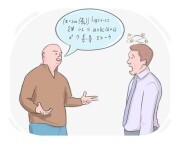
to confuse someone, often by being difficult to understand
stupéfier, déconcerter
Le tournant inattendu des événements a déconcerté le public, les laissant incertains sur la façon de réagir.
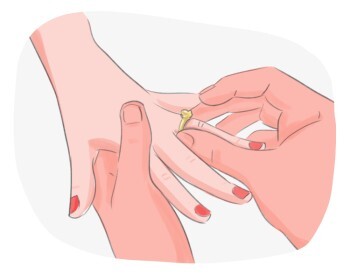
to promise to marry someone, typically with a formal ceremony or agreement, often involving the exchange of rings
fiancer
La princesse médiévale était fiancée à un prince d'un royaume voisin pour des alliances politiques.
to be an omen or indication of a future outcome, often suggesting something negative or ominous
augurer, présager
Son silence hier présageait des ennuis pour la réunion d'aujourd'hui.
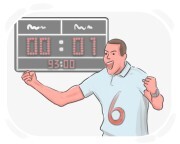
to prove to be superior in strength, influence, or authority
prévaloir, prédominer, être le plus important
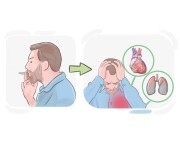
to cause pain, suffering, or distress, often as a result of illness, injury, or hardship
affecter, accabler
La région a été affligée par une grave sécheresse l'année dernière.
to put forward a theory, idea, or argument for consideration or discussion
avancer, proposer
Einstein a célèbrement avancé la théorie de la relativité au début du 20e siècle.
to contribute a specified amount of money before a card game, poker hand, or other gambling activity begins
casquer, raquer, cracher
Hier, tout le monde a misé le montant requis et le jeu a commencé.
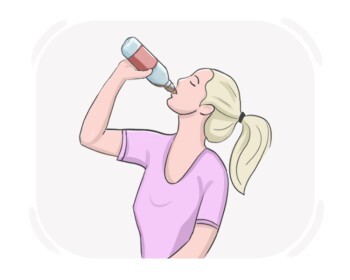
to consume or absorb liquids, especially beverages
boire
La station tropicale offrait un menu varié de cocktails fruités pour que les invités puissent boire au bord de la piscine.
to add fuel to a fire, metaphorically or literally, in order to increase its intensity or excitement
raviver, attiser
Hier, elle a attisé le feu de camp jusqu'à ce qu'il flambe vivement contre la nuit.
to dissolve gradually into a liquid state, often due to high humidity or decomposition
se liquéfier
L'été dernier, les aliments abandonnés dans le garde-manger s'étaient déliquescés en un désordre malodorant.
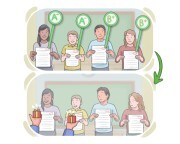
to give a person, group, or thing special rights, advantages, or preference over others
privilégier
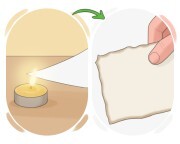
to lightly burn something on the surface, causing minimal damage
brûler légèrement, roussir
Le cuisinier a utilisé un chalumeau pour flamber les poils de la volaille avant de la cuire.
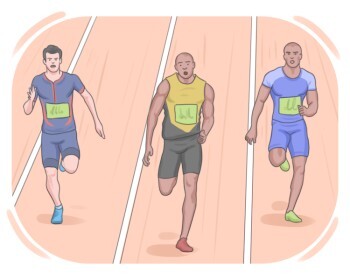
to intensely compete with another person in order to achieve something
concourir pour obtenir
Les entreprises rivalisent souvent pour la domination du marché, s'efforçant de surpasser leurs concurrents.
