
pattern

مهارت‌های واژگان SAT 5 - درس 49

مرور

فلش‌کارت‌ها

صورت‌ها

املای کلمه

آزمون

شروع یادگیری
SAT Word Skills 5
to cadge
to cadge
[فعل]

to obtain something, often by imposing on others, without intending to repay or reciprocate the favor

کلاشی کردن, تلکه کردن

کلاشی کردن, تلکه کردن

Ex: He is currently cadging money from his friends to fund his weekend getaway. 

او در حال حاضر برای تأمین هزینه فرار آخر هفته خود از دوستانش پول می‌خواهد.

بستن
ورود
to browse
to browse
[فعل]

to casually look at different products in a store with no intention of making a purchase

گشت زدن (در مغازه بدون خرید کردن), نگاه انداختن

گشت زدن (در مغازه بدون خرید کردن), نگاه انداختن

Ex: While waiting for his friend, he decided to browse the bookstore, flipping through new releases and enjoying the quiet atmosphere. 

در حالی که منتظر دوستش بود، تصمیم گرفت در کتابفروشی مرور کند، از میان انتشارات جدید بگذرد و از فضای آرام لذت ببرد.

بستن
ورود
to envenom
to envenom
[فعل]

to cause to become resentful or bitter, typically through the use of harmful or spiteful words or actions

تلخ‌کام کردن, تلخ کردن

تلخ‌کام کردن, تلخ کردن

Ex: He is envenoming their relationship by spreading rumors and gossip. 

او با پخش شایعات و غیبت، رابطه‌شان را مسموم می‌کند.

بستن
ورود
to humbug
to humbug
[فعل]

to deceive or trick someone, often by pretending to be sincere or honest when one is not

بامبول زدن, فریب دادن، گول زدن

بامبول زدن, فریب دادن، گول زدن

Ex: She is humbugging her friends by pretending to be interested in their problems. 

او با تظاهر به علاقه‌مند بودن به مشکلات دوستانش، آن‌ها را humbug می‌کند.

بستن
ورود
to entrench
to entrench
[فعل]

to establish deeply and firmly, often making something difficult to change or remove

محکم کردن

محکم کردن

Ex: The political party entrenched its power by passing controversial legislation. 

حزب سیاسی با تصویب قوانین جنجالی قدرت خود را تحکیم بخشید.

بستن
ورود
fallow
fallow
[صفت]

(of farmland) not used for growing crops for a period of time, especially for the quality of the soil to improve

بایر‌گذاشته, آیش‌شده، زمین شخم‌شده و نکاشته

بایر‌گذاشته, آیش‌شده، زمین شخم‌شده و نکاشته

Ex: Smallholders often leave steep slopes fallow to prevent erosion and restore topsoil. 

خرده مالکان اغلب شیب‌های تند را آیش می‌گذارند تا از فرسایش جلوگیری کنند و خاک سطحی را بازیابی کنند.

بستن
ورود
to fresco
to fresco
[فعل]

to paint on wet plaster, allowing the colors to become fixed as the plaster dries, often used in mural painting

روی گچ، نقاشی آب‌رنگی کردن

روی گچ، نقاشی آب‌رنگی کردن

Ex: Renaissance painters frequently frescoed ceilings and walls in churches and palaces. 

نقاشان رنسانس اغلب سقف‌ها و دیوارهای کلیساها و کاخ‌ها را فرسک می‌کردند.

بستن
ورود
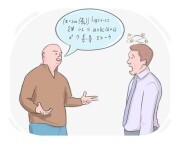
to bemuse
to bemuse
[فعل]

to confuse someone, often by being difficult to understand

سردرگم کردن, به فکر انداختن، ژولیده کردن

سردرگم کردن, به فکر انداختن، ژولیده کردن

Ex: The unexpected turn of events bemused the audience, leaving them unsure of how to react. 

چرخش غیرمنتظره رویدادها مخاطبان را سردرگم کرد و آنها را در مورد چگونگی واکنش نشان دادن نامطمئن گذاشت.
بستن
ورود
to betroth
to betroth
[فعل]

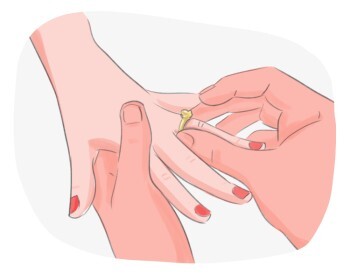
to promise to marry someone, typically with a formal ceremony or agreement, often involving the exchange of rings

نامزد کردن

نامزد کردن

Ex: The couple exchanged vows to betroth themselves to each other in the presence of close friends and family. 

این زوج در حضور دوستان نزدیک و خانواده برای نامزدی با یکدیگر تعهد رد و بدل کردند.

بستن
ورود
to bode
to bode
[فعل]

to be an omen or indication of a future outcome, often suggesting something negative or ominous

نشانه بودن, شگون داشتن

نشانه بودن, شگون داشتن

Ex: His silence yesterday boded trouble for today's meeting. 

سکوت دیروز او نشانه‌ای از مشکل در جلسه امروز بود.

بستن
ورود
to prevail
to prevail
[فعل]

to prove to be superior in strength, influence, or authority

برتر بودن
برتر بودن

Ex: The community worked together to prevail over adversity, rebuilding homes and infrastructure after a natural disaster. 

جامعه برای غلبه بر مصیبت‌ها با هم کار کرد، خانه‌ها و زیرساخت‌ها را پس از یک فاجعه طبیعی بازسازی کرد.

بستن
ورود
to afflict
to afflict
[فعل]

to cause pain, suffering, or distress, often as a result of illness, injury, or hardship

مبتلا کردن, دچار کردن

مبتلا کردن, دچار کردن

Ex: The region was afflicted by a severe drought last year. 

منطقه سال گذشته با خشکسالی شدیدی درگیر شد.

بستن
ورود
to posit
to posit
[فعل]

to put forward a theory, idea, or argument for consideration or discussion

پیشنهاد کردن, مطرح کردن

پیشنهاد کردن, مطرح کردن

Ex: The political scientist posited that economic inequality is a major factor in determining political instability and social unrest. 

دانشمند علوم سیاسی مطرح کرد که نابرابری اقتصادی عامل اصلی در تعیین بی‌ثباتی سیاسی و ناآرامی اجتماعی است.

بستن
ورود
to ante
to ante
[فعل]

to contribute a specified amount of money before a card game, poker hand, or other gambling activity begins

سهم (خود را) پرداختن, دانگ دادن

سهم (خود را) پرداختن, دانگ دادن

Ex: Yesterday, everyone anted their required amount and the game began. 

دیروز، همه مبلغ مورد نیاز را پرداخت کردند و بازی شروع شد.
بستن
ورود
to imbibe
to imbibe
[فعل]

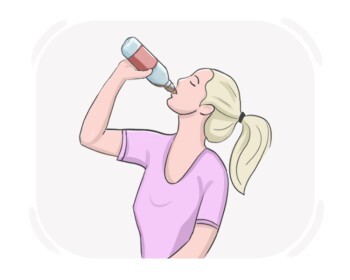
to consume or absorb liquids, especially beverages

نوشیدن

نوشیدن

Ex: The tropical resort offered a diverse menu of fruity cocktails for guests to imbibe by the pool. 

منطقه گرمسیری یک منوی متنوع از کوکتل‌های میوه‌ای برای مهمانان ارائه می‌داد تا در کنار استخر بنوشند.

بستن
ورود
to stoke
to stoke
[فعل]

to add fuel to a fire, metaphorically or literally, in order to increase its intensity or excitement

(به آتش) سوخت رساندن, افروخته داشتن

(به آتش) سوخت رساندن, افروخته داشتن

Ex: Yesterday, she stoked the campfire until it blazed brightly against the night. 

دیروز، او آتش کمپ را تشدید کرد تا اینکه در برابر شب به روشنی شعله ور شد.

بستن
ورود
to deliquesce

to dissolve gradually into a liquid state, often due to high humidity or decomposition

آب شدن

آب شدن

Ex: Last summer, the abandoned food items in the pantry had deliquesced into a foul-smelling mess. 

تابستان گذشته، مواد غذایی رها شده در انباری به یک آشفتگی بدبو تبدیل شده بودند.
بستن
ورود
to privilege
to privilege
[فعل]

to give special advantages or rights to someone or something

امتیاز ویژه دادن

امتیاز ویژه دادن

Ex: The scholarship program privileges students based on academic achievement. 

برنامه بورسیه بر اساس دستاوردهای تحصیلی به دانشجویان امتیاز می‌دهد.

بستن
ورود
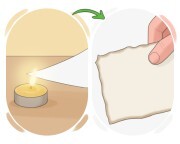
to singe
to singe
[فعل]

to lightly burn something on the surface, causing minimal damage

سطحی سوزاندن

سطحی سوزاندن

Ex: The dragon's breath was hot enough to singe the grass as it passed over. 

نفس اژدها به اندازه‌ای داغ بود که هنگام عبور، علف‌ها را کمی بسوزاند.

بستن
ورود
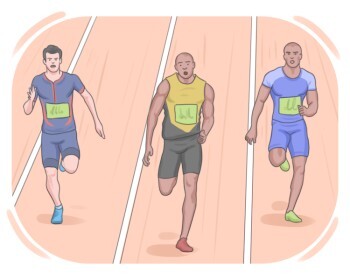
to vie
to vie
[فعل]

to intensely compete with another person in order to achieve something

رقابت کردن, رقیب شدن

رقابت کردن, رقیب شدن

Ex: Companies often vie for market dominance, striving to outperform their competitors. 

شرکت‌ها اغلب برای تسلط بر بازار رقابت می‌کنند، در تلاش برای پیشی گرفتن از رقبای خود.

بستن
ورود
LanGeek
دانلود اپلیکشن LanGeek