
Lista de palabras SAT 5 - Lección 49
Revisión
Tarjetas de memoria
formas
Ortografía
Cuestionario


to obtain something, often by imposing on others, without intending to repay or reciprocate the favor

gorronear
Ellos gorronearon entradas gratis para el concierto fingiendo ser amigos del manager de la banda.

to casually look at different products in a store with no intention of making a purchase
echar una ojeada
A menudo exploran el centro comercial después del almuerzo, disfrutando de los escaparates y actualizándose sobre los últimos gadgets y estilos.
to cause to become resentful or bitter, typically through the use of harmful or spiteful words or actions
envenenar
Su rivalidad envenenó su amistad, lo que llevó a años de amargura y resentimiento.
to deceive or trick someone, often by pretending to be sincere or honest when one is not
embaucar
El vendedor engañó a sus clientes vendiéndoles mercancía falsa.
to establish deeply and firmly, often making something difficult to change or remove
atrincherar
Si no abordamos el problema ahora, solo se arraigará más en nuestra sociedad.
(of farmland) not used for growing crops for a period of time, especially for the quality of the soil to improve
en barbecho
Las fuertes lluvias hicieron que el sitio estuviera demasiado encharcado para los cultivos, por lo que permaneció en barbecho hasta la primavera.
to paint on wet plaster, allowing the colors to become fixed as the plaster dries, often used in mural painting
pintar al fresco
Los estudiantes de arte aprenderán cómo fresco en su próximo taller.
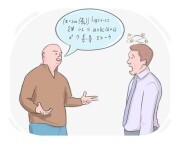
to confuse someone, often by being difficult to understand
confundir
La obra de arte abstracta desconcertó a muchos espectadores, ya que luchaban por interpretar su significado.
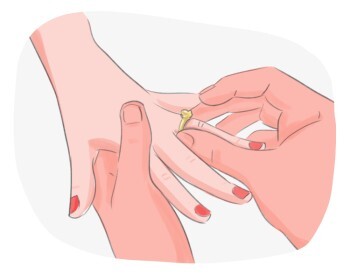
to promise to marry someone, typically with a formal ceremony or agreement, often involving the exchange of rings
prometer en matrimonio
Decidieron prometerse en una ceremonia privada antes de anunciar su compromiso.
to be an omen or indication of a future outcome, often suggesting something negative or ominous
ser señal de
La caída repentina en las cifras de ventas augura mal para la salud financiera de la empresa el próximo trimestre.
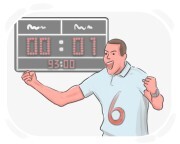
to prove to be superior in strength, influence, or authority
prevalecer sobre
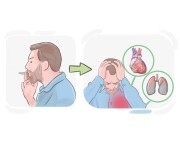
to cause pain, suffering, or distress, often as a result of illness, injury, or hardship
afligir
Si no se controla, el cambio climático afligirá a las generaciones futuras con consecuencias catastróficas.
to put forward a theory, idea, or argument for consideration or discussion
postular
El filósofo postulará un nuevo marco para entender la moralidad en su próximo libro.
to contribute a specified amount of money before a card game, poker hand, or other gambling activity begins
poner la parte de uno
Mañana, apostaremos nuestras fichas y nos uniremos al torneo.
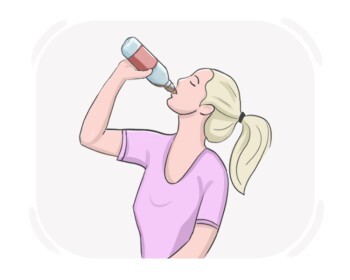
to consume or absorb liquids, especially beverages
beber
Como parte del tour de vinos, los participantes tuvieron la oportunidad de imbibir una variedad de exquisitos vinos.
to add fuel to a fire, metaphorically or literally, in order to increase its intensity or excitement
atizar
Mañana, van a avivar el entusiasmo por el próximo proyecto durante la reunión del equipo.
to dissolve gradually into a liquid state, often due to high humidity or decomposition
licuarse
Para la próxima semana, es probable que la fruta sobrante se licúe si no se refrigera adecuadamente.
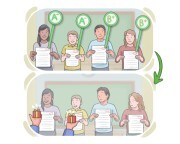
to give a person, group, or thing special rights, advantages, or preference over others
favorecer
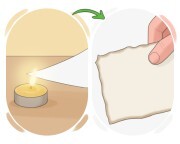
to lightly burn something on the surface, causing minimal damage
chamuscar
En el camping, es común chamuscar los bordes de la tela cortada para evitar que se deshilache.
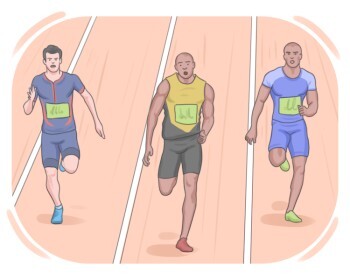
to intensely compete with another person in order to achieve something
competir
Los estudiantes pueden competir por los máximos honores en competencias académicas, mostrando sus conocimientos.
| Lista de palabras SAT 5 | |||
|---|---|---|---|
| Lección 41 | Lección 42 | Lección 43 | Lección 44 |
| Lección 45 | Lección 46 | Lección 47 | Lección 48 |
| Lección 49 | Lección 50 | ||
