pattern

Vocabulaire pour IELTS (Général) - Littérature

Ici, vous apprendrez quelques mots anglais sur la littérature, tels que "adapter", "légende", "mythe", etc., qui sont nécessaires pour l'examen IELTS.

Réviser

Flashcards

formes

Orthographe

Quiz
Commencer à apprendre
Words for General IELTS
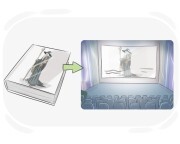
to adapt
to adapt
[verbe]

to change a book or play in a way that can be made into a movie, TV series, etc.

adapter

adapter

Ex: The director worked closely with the playwright to adapt the stage production for television. 

Le réalisateur a travaillé en étroite collaboration avec le dramaturge pour adapter la production scénique à la télévision.

anecdote

a short interesting story about a real event or person, often biographical

anecdote

anecdote

Ex: The professor used a historical anecdote to illustrate his point. 

Le professeur a utilisé une anecdote historique pour illustrer son propos.

to author
to author
[verbe]

to be the writer of a book, article, etc.

écrire

écrire

autobiography

the story of the life of a person, written by the same person

autobiographie

autobiographie

Ex: Her autobiography detailed her struggles and triumphs throughout her career. 

Son autobiographie détaillait ses luttes et ses triomphes tout au long de sa carrière.
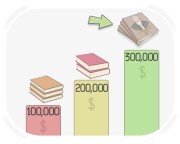
bestseller

an item, especially a book, that is bought by a large number of people

succès de librairie, meilleure vente

succès de librairie, meilleure vente

Ex: The mystery thriller topped the bestseller list for several months. 

Le thriller mystère a dominé la liste des best-sellers pendant plusieurs mois.

caption
caption
[nom]

a short text accompanying an illustration, giving extra information

légende, sous-titre

légende, sous-titre

commission

a formal request for an artist to paint, design or compose a piece of art

commande

commande

to draft
to draft
[verbe]

to write something for the first time that needs corrections for the final presentation

faire le brouillon, écrire au brouillon
faire le brouillon, écrire au brouillon

Ex: Before submitting the report, she carefully drafted a rough outline to organize her thoughts. 

Avant de soumettre le rapport, elle a soigneusement ébauché une ébauche pour organiser ses pensées.

critic
critic
[nom]

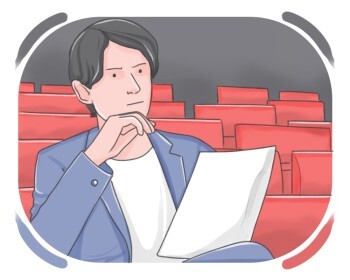
someone who evaluates and provides opinions or judgments about various forms of art, literature, performances, or other creative works

critique
critique

Ex: As a music critic, he often attends concerts and writes reviews discussing the strengths and weaknesses of different musical performances. 

En tant que critique musical, il assiste souvent à des concerts et écrit des critiques discutant des forces et des faiblesses de différentes performances musicales.

edition
edition
[nom]

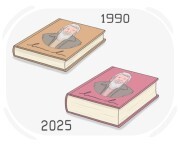
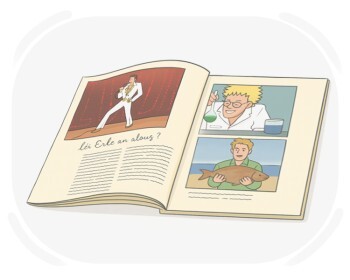
the specific form or version that a book, magazine, or similar publication is in

édition
édition

Ex: Collectors eagerly sought out the limited edition of the novel, which was signed by the author and contained exclusive illustrations. 

Les collectionneurs recherchaient avec impatience l'édition limitée du roman, qui était signée par l'auteur et contenait des illustrations exclusives.

to illustrate

to use pictures in a book, magazine, etc.

illustrer

illustrer

Ex: He illustrates the cookbook with colorful pictures of the finished dishes. 

Il illustre le livre de cuisine avec des images colorées des plats finis.

index
index
[nom]

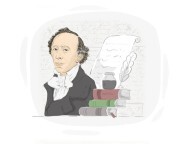
an alphabetical listing of topics, names, or terms with references to their locations, typically in a book or document

index
index

Ex: She looked up the topic in the index. 

Elle a cherché le sujet dans l'index.

literary
literary
[Adjectif]

related to literature, especially in terms of its style, structure, or content

littéraire

littéraire

Ex: She pursued a degree in literary studies, delving into the works of renowned authors. 

Elle a poursuivi un diplôme en études littéraires, plongeant dans les œuvres d'auteurs renommés.
metaphor

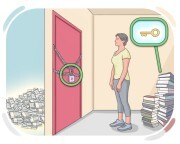
a figure of speech that compares two unrelated things to highlight their similarities and convey a deeper meaning

métaphore

métaphore

Ex: In the novel, the storm is a metaphor for the chaos in the protagonist's life. 

Dans le roman, la tempête est une métaphore du chaos dans la vie du protagoniste.

myth
myth
[nom]

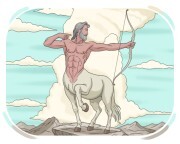
a story involving the ancient history of a people, usually about heroes and supernatural events that could be unreal

mythe

mythe

Ex: His book explores the myths surrounding the origins of the universe. 

Son livre explore les mythes entourant les origines de l'univers.

narrator

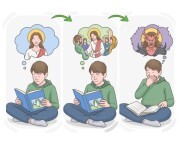
the person who tells the story in a novel, poem, etc.

narrateur, narratrice

narrateur, narratrice

Ex: In the poem, the narrator reflects on the beauty of nature. 

Dans le poème, le narrateur réfléchit à la beauté de la nature.

to plot
to plot
[verbe]

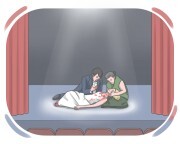
to write the series of events forming a novel, movie, play, etc.

inventer
inventer

Ex: Before filming began, the screenplay writer diligently plotted the narrative arc of the movie. 

Avant le début du tournage, le scénariste a soigneusement tracé l'arc narratif du film.

tragedy
tragedy
[nom]

a play with sad events, especially one that the main character dies at the end

tragédie

tragédie

Ex: The Greek playwright Sophocles is famous for his tragedies, such as 'Oedipus Rex' and 'Antigone'. 

Le dramaturge grec Sophocle est célèbre pour ses tragédies, telles que 'Œdipe Roi' et 'Antigone'.

twist
twist
[nom]

an unexpected turn in the course of events

rebondissement, coup de théâtre, tournant

rebondissement, coup de théâtre, tournant

Ex: The movie's twist ending completely changed the audience's perception of the main character. 

La fin inattendue du film a complètement changé la perception du public sur le personnage principal.

symbolic
symbolic
[Adjectif]

consisting of or employing symbols

symbolique

symbolique

Ex: The national flag is a symbolic representation of a country's identity and values. 

Le drapeau national est une représentation symbolique de l'identité et des valeurs d'un pays.

sequel
sequel
[nom]

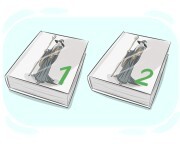
a book, movie, play, etc. that continues and extends the story of an earlier one

suite

suite

Ex: Fans eagerly lined up to see the sequel to their favorite movie on opening night. 

Les fans ont fait la queue avec impatience pour voir la suite de leur film préféré le soir de la première.

to depict
to depict
[verbe]

to describe a specific subject, scene, person, etc.

dépeindre, décrire

dépeindre, décrire

Ex: The novel vividly depicts the struggles of a young immigrant family. 

Le roman dépeint vivement les luttes d'une jeune famille immigrante.

concise
concise
[Adjectif]

giving a lot of information briefly and clearly

concis

concis

Ex: The report was praised for its concise and clear presentation. 

Le rapport a été salué pour sa présentation concis et claire.

autobiographical

(of a written work) relating to the author's own life

autobiographique

autobiographique

Ex: The memoir was deeply autobiographical, recounting the author's experiences growing up in a war-torn country. 

Le mémoire était profondément autobiographique, racontant les expériences de l'auteur grandissant dans un pays déchiré par la guerre.

appendix

a separate part at the end of a book that gives further information

appendice

appendice

Ex: In the appendix of the book, the author included detailed maps and diagrams to enhance the reader's understanding. 
to abridge
to abridge
[verbe]

to make a book, play, etc. short by omitting the details and including the main parts

abréger, raccourcir

abréger, raccourcir

Ex: The film adaptation abridged the novel, leaving out some subplots. 

L'adaptation cinématographique a abrégé le roman, en omettant certaines intrigues secondaires.

foreword

a short introductory section at the beginning of a book, usually written by someone other than the author

avant-propos

avant-propos

Ex: She read the foreword to get an overview of the book's background. 

Elle a lu l'avant-propos pour avoir un aperçu du contexte du livre.

afterword

a part at the end of a book including some final words that may not be written by the author

épilogue, mot de la fin, postface

épilogue, mot de la fin, postface

Ex: In the afterword, a noted critic shared their reflections on the novel. 

Dans la postface, un critique renommé a partagé ses réflexions sur le roman.

edgy
edgy
[Adjectif]

(of a movie, book, piece of music, etc.) characterized by sharpness, intensity, or boldness, often provoking strong reactions

avant-garde, subversif, audacieux

avant-garde, subversif, audacieux

Ex: The album's edgy sound appealed to a younger audience. 

Le son audacieux de l'album a séduit un public plus jeune.

motif
motif
[nom]

a subject, idea, or phrase that is repeatedly used in a literary work

thème

thème

Ex: The recurring motif of darkness and light in the novel underscores the contrast between good and evil, as well as the protagonist's internal struggles. 

Le motif récurrent de l'obscurité et de la lumière dans le roman souligne le contraste entre le bien et le mal, ainsi que les luttes internes du protagoniste.

LanGeek
Télécharger l'application LanGeek