Vocabulary for IELTS (General) - Literature

Here you will learn some English words about literature, such as "adapt", "caption", "myth", etc. that are needed for the IELTS exam.

review-disable

review

flashcard-disable

flashcard

spelling-disable

spelling

quiz-disable

quiz

start-learning
Vocabulary for IELTS (General)
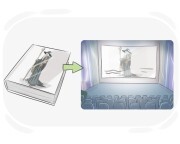
to adapt [verb]

to change a book or play in a way that can be made into a movie, TV series, etc.

Ex: The producers hired a team of writers to adapt the classic play for a modern audience .
anecdote [noun]

a short interesting story about a real event or person, often biographical

Ex: He told an anecdote about meeting a famous musician by accident .

to be the writer of a book, article, etc.

the story of the life of a person, written by the same person
Ex: She decided to write an autobiography after retiring to reflect on her experiences .

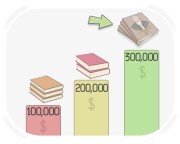
an item, especially a book, that is bought by a large number of people

Ex: He was thrilled when his book became a bestseller in multiple countries .
caption [noun]

a short text accompanying an illustration, giving extra information

a formal request for an artist to paint, design or compose a piece of art

to draft [verb]

to write something for the first time that needs corrections for the final presentation
Ex: The students were instructed to draft their research papers and then seek feedback from their peers .
critic [noun]

someone who evaluates and provides opinions or judgments about various forms of art, literature, performances, or other creative works
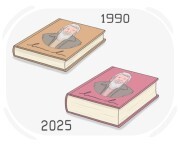
Ex:
edition [noun]

the specific form or version that a book, magazine, or similar publication is in
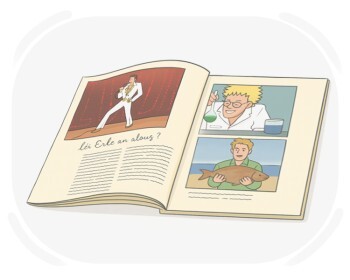
Ex: This edition of the textbook has been updated with new information and revised chapters to reflect the latest research findings .

to use pictures in a book, magazine, etc.

Ex: They illustrate the travel guidebook with maps and photographs of landmarks .
index [noun]

an alphabetical listing of topics, names, or terms with references to their locations, typically in a book or document
Ex: The index lists all the authors cited in the text .
literary [adjective]

related to literature, especially in terms of its style, structure, or content

Ex: The literary magazine published short stories , poetry , and essays from emerging writers .
metaphor [noun]

a figure of speech that compares two unrelated things to highlight their similarities and convey a deeper meaning
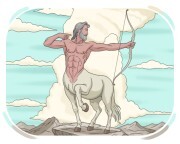
Ex: His writing style relies heavily on vivid metaphors and imagery .
myth [noun]

a story involving the ancient history of a people, usually about heroes and supernatural events that could be unreal

Ex: The ancient myth described how fire was stolen from the gods .
narrator [noun]

the person who tells the story in a novel, poem, etc.

Ex:
to plot [verb]

to write the series of events forming a novel, movie, play, etc.
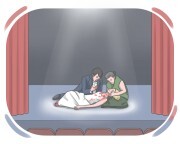
Ex: The playwright meticulously plotted the dialogue and scenes to create a captivating drama .
tragedy [noun]

a play with sad events, especially one that the main character dies at the end

Ex: The film adaptation stayed true to the original tragedy elements , eliciting strong emotional responses from audiences .
twist [noun]

an unexpected turn in the course of events

Ex: Just when we thought everything was going smoothly , there was a sudden twist in the story .
symbolic [adjective]

consisting of or employing symbols

Ex:
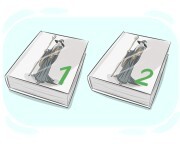
sequel [noun]

a book, movie, play, etc. that continues and extends the story of an earlier one

Ex: The sequel picked up right where the first book left off , continuing the protagonist 's journey with new challenges and adventures .

to describe a specific subject, scene, person, etc.

Ex: The film was depicting life in the 18th century when the power went out .
concise [adjective]

giving a lot of information briefly and clearly

Ex:
autobiographical [adjective]

(of a written work) relating to the author's own life

Ex: The singer-songwriter's lyrics were intensely autobiographical , drawing from her own relationships and experiences .
appendix [noun]

a separate part at the end of a book that gives further information

Ex: Students were instructed to refer to the appendix for additional resources and data related to their coursework .

to make a book, play, etc. short by omitting the details and including the main parts

Ex: The team was abridging the manuscript when the deadline was moved up .
foreword [noun]

a short introductory section at the beginning of a book, usually written by someone other than the author

Ex: The foreword provided insights into the author 's inspiration for the novel .

a part at the end of a book including some final words that may not be written by the author

Ex: The afterword included a brief history of the book 's publication journey .
edgy [adjective]

(of a movie, book, piece of music, etc.) characterized by sharpness, intensity, or boldness, often provoking strong reactions

Ex: The play 's edgy dialogue provoked laughter and discomfort simultaneously .
motif [noun]

a subject, idea, or phrase that is repeatedly used in a literary work

Ex: Through the motif of the " fall from grace , " the author explores the consequences of hubris and the fragility of human ambition .