pattern

IELTS のための語彙 (一般) - 文学

ここでは、IELTS試験に必要な「adapt」、「caption」、「myth」などの文学に関する英語の単語を学びます。

レビュー

フラッシュカード

語形

綴り

クイズ
学習を開始
Words for General IELTS
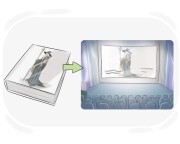
to adapt
to adapt
[動詞]

to change a book, play, or other work so that it can be presented in a different medium

翻案する,  脚色する

翻案する, 脚色する

Ex: The director adapted the novel for television. 
anecdote
anecdote
[名詞]

a short interesting story about a real event or person, often biographical

逸話, 短い話

逸話, 短い話

Ex: She shared a funny anecdote about her first day at work. 

彼女は初出勤日の面白い逸話を共有しました。

to author
to author
[動詞]

to be the writer of a book, article, etc.

書く, 著者である

書く, 著者である

Ex: She authored a book about modern architecture. 
autobiography

the story of the life of a person, written by the same person

自伝, 回想録

自伝, 回想録

Ex: He wrote an autobiography to share his life story with the world. 

彼は自分の人生の物語を世界と共有するために自伝を書いた。

bestseller
bestseller
[名詞]

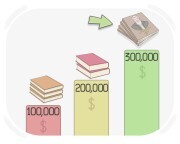
an item, especially a book, that is bought by a large number of people

ベストセラー, 売れ筋商品

ベストセラー, 売れ筋商品

Ex: Her latest novel became a bestseller within weeks of its release. 

彼女の最新小説は発売後数週間でベストセラーになった。

caption
caption
[名詞]

a short text accompanying an illustration, giving extra information

キャプション, 字幕

キャプション, 字幕

commission
commission
[名詞]

a formal request for an artist to paint, design or compose a piece of art

依頼

依頼

Ex: The artist received a commission to paint a family portrait. 
to draft
to draft
[動詞]

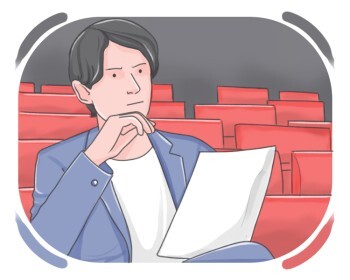
to write something for the first time that needs corrections for the final presentation

草案を作成する, 下書きする
草案を作成する, 下書きする

Ex: The author spent hours drafting the opening chapter of his novel, knowing that revisions would follow. 
critic
critic
[名詞]

someone who evaluates and provides opinions or judgments about various forms of art, literature, performances, or other creative works

批評家
批評家

Ex: Her reviews as a food critic are highly anticipated, as she provides detailed critiques of restaurants and dishes based on taste, presentation, and service. 
edition
edition
[名詞]

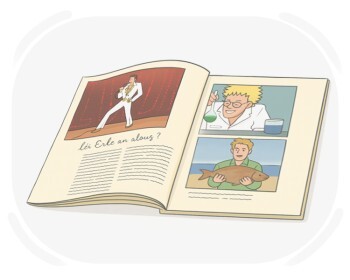
the specific form or version that a book, magazine, or similar publication is in

版, バージョン
版, バージョン

Ex: The digital edition of the journal offers convenient access to scholarly articles and research papers for academics and professionals. 
to illustrate

to use pictures in a book, magazine, etc.

図解する

図解する

Ex: She illustrates her articles with hand-drawn sketches. 
index
index
[名詞]

an alphabetical listing of topics, names, or terms with references to their locations, typically in a book or document

索引, 目次
索引, 目次

Ex: An index at the back of the textbook makes research easier. 
literary
literary
[形容詞]

related to literature, especially in terms of its style, structure, or content

文学的な, 文学に関連する

文学的な, 文学に関連する

Ex: The literary analysis focused on exploring themes and motifs within the novel. 

文学的分析は、小説内のテーマやモチーフを探求することに焦点を当てた。

metaphor
metaphor
[名詞]

a figure of speech in which a word or expression is used to describe something by implying a comparison with something else

隠喩, メタファー

隠喩, メタファー

Ex: The poet uses fire as a metaphor for passion. 
myth
myth
[名詞]

a traditional story about gods, heroes, or supernatural events, often explaining a culture's history, beliefs, or natural phenomena

神話

神話

Ex: Greek myths often tell stories about gods interacting with humans. 
narrator
narrator
[名詞]

the person who tells the story in a novel, poem, etc.

語り手, ナレーター

語り手, ナレーター

Ex: The narrator of the novel had a unique and captivating voice. 

その小説の語り手はユニークで魅力的な声を持っていた。

to plot
to plot
[動詞]

to write the series of events forming a novel, movie, play, etc.

企画する, 構想する
企画する, 構想する

Ex: As a seasoned storyteller, she knew how to plot a fantasy tale. 
tragedy
tragedy
[名詞]

a serious play or other literary work in which the main character experiences great suffering or a disastrous ending

悲劇,  トラジェディー
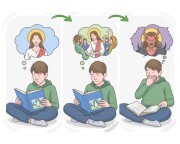
悲劇, トラジェディー

Ex: Hamlet is one of Shakespeare's best-known tragedies. 
twist
twist
[名詞]

an unexpected change or development in a situation or story

展開, どんでん返し

展開, どんでん返し

Ex: The investigation took an unexpected twist when a new witness appeared. 
symbolic
symbolic
[形容詞]

involving, expressed by, or using symbols

象徴的な,  記号的な
象徴的な, 記号的な

Ex: The map uses a symbolic system to represent different types of roads. 
sequel
sequel
[名詞]

a book, movie, play, etc. that continues and extends the story of an earlier one

続編

続編

Ex: The highly anticipated sequel to the bestselling novel was released to critical acclaim. 

ベストセラー小説の待望の続編が批評家の称賛とともにリリースされました。

to depict
to depict
[動詞]

to describe or portray someone or something in words, a story, film, or other form of expression

描く,  描写する

描く, 描写する

Ex: The novel depicts life in a small coastal town. 
concise
concise
[形容詞]

giving a lot of information briefly and clearly

簡潔な, 簡明な

簡潔な, 簡明な

Ex: She gave a concise summary of the meeting's key points. 

彼女は会議の要点を簡潔にまとめました。

autobiographical
autobiographical
[形容詞]

(of a written work) relating to the author's own life

自伝的な, 著者自身の人生に関する

自伝的な, 著者自身の人生に関する

Ex: Her novel was an autobiographical account of her struggles and triumphs as a young artist. 

彼女の小説は、若い芸術家としての彼女の苦闘と勝利の自伝的な記録だった。

appendix
appendix
[名詞]

a section at the end of a book or document containing additional information

付録,  補遺

付録, 補遺

Ex: The full survey results are included in the appendix. 
to abridge
to abridge
[動詞]

to make a book, play, etc. short by omitting the details and including the main parts

要約する

要約する

Ex: The play was abridged for the school performance, focusing on the key scenes. 

その劇は学校の公演のために短縮され、主要なシーンに焦点を当てました。

foreword
foreword
[名詞]

a short introductory section at the beginning of a book, usually written by someone other than the author

序文, 前書き

序文, 前書き

Ex: The book's foreword was written by a renowned scholar in the field. 

その本の序文は、その分野で有名な学者によって書かれました。

afterword
afterword
[名詞]

a part at the end of a book including some final words that may not be written by the author

あとがき, エピローグ

あとがき, エピローグ

Ex: The afterword offered insights from the editor about the book's impact. 

あとがきは、編集者からの本の影響についての洞察を提供しました。

edgy
edgy
[形容詞]

(of a movie, book, piece of music, etc.) characterized by sharpness, intensity, or boldness, often provoking strong reactions

挑発的な, 大胆な

挑発的な, 大胆な

Ex: Her novel is edgy, challenging conventional storytelling. 

彼女の小説は挑発的で、従来の物語の語り口に挑戦している。

motif
motif
[名詞]

a subject, image, idea, or phrase that recurs in a literary work

モチーフ, 主題

モチーフ, 主題

Ex: Exile is a recurring motif in several of the author's novels. 
LanGeek
LanGeekアプリをダウンロード