pattern

Vocabolario per IELTS (Generale) - Letteratura

Qui imparerai alcune parole inglesi sulla letteratura, come "adattare", "didascalia", "mito", ecc., necessarie per l'esame IELTS.

Revisione

Flashcard

forme

Ortografia

Quiz
Inizia a imparare
Words for General IELTS
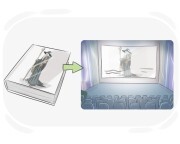
to adapt
to adapt
[Verbo]

to change a book or play in a way that can be made into a movie, TV series, etc.

adattare

adattare

Ex: The studio acquired the rights to adapt the graphic novel for TV. 

Lo studio ha acquisito i diritti per adattare il romanzo grafico per la TV.

Chiudi
Accedi
anecdote
anecdote
[sostantivo]

a short interesting story about a real event or person, often biographical

aneddoto

aneddoto

Ex: The book included several anecdotes from the author’s travels around the world. 

Il libro includeva diverse aneddoti dei viaggi dell'autore in giro per il mondo.

Chiudi
Accedi
to author
to author
[Verbo]

to be the writer of a book, article, etc.

autore

autore

Chiudi
Accedi
autobiography
autobiography
[sostantivo]

the story of the life of a person, written by the same person

autobiografia

autobiografia

Ex: The autobiography provided a unique perspective on the civil rights movement. 

L'autobiografia ha fornito una prospettiva unica sul movimento per i diritti civili.
Chiudi
Accedi
bestseller
bestseller
[sostantivo]

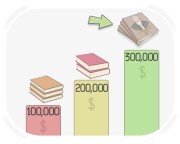
an item, especially a book, that is bought by a large number of people

il più venduto

il più venduto

Ex: The cookbook quickly became a bestseller due to its unique recipes. 

Il libro di cucina è diventato rapidamente un bestseller grazie alle sue ricette uniche.

Chiudi
Accedi
caption
caption
[sostantivo]

a short text accompanying an illustration, giving extra information

titolo, didascalia

titolo, didascalia

Chiudi
Accedi
commission
commission
[sostantivo]

a formal request for an artist to paint, design or compose a piece of art

commissione

commissione

Chiudi
Accedi
to draft
to draft
[Verbo]

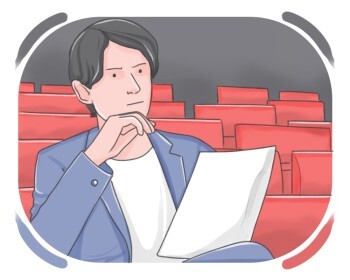
to write something for the first time that needs corrections for the final presentation

schizzare
schizzare

Ex: The author spent hours drafting the opening chapter of his novel, knowing that revisions would follow. 

L'autore ha passato ore a abbozzare il capitolo iniziale del suo romanzo, sapendo che sarebbero seguite revisioni.

Chiudi
Accedi
critic
critic
[sostantivo]

someone who evaluates and provides opinions or judgments about various forms of art, literature, performances, or other creative works

critico
critico

Ex: The art critic's insightful analysis of the paintings on display helped visitors better understand the artist's techniques and influences. 

L'analisi approfondita del critico d'arte sui dipinti esposti ha aiutato i visitatori a comprendere meglio le tecniche e le influenze dell'artista.

Chiudi
Accedi
edition
edition
[sostantivo]

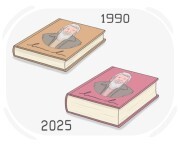
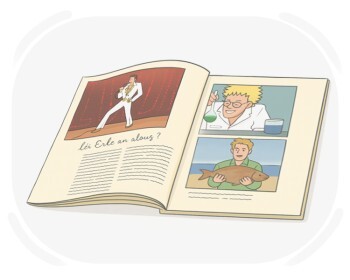
the specific form or version that a book, magazine, or similar publication is in

edizione
edizione

Ex: The digital edition of the journal offers convenient access to scholarly articles and research papers for academics and professionals. 

L'edizione digitale della rivista offre un accesso conveniente ad articoli accademici e documenti di ricerca per accademici e professionisti.

Chiudi
Accedi
to illustrate

to use pictures in a book, magazine, etc.

illustrare

illustrare

Ex: He illustrates the cookbook with colorful pictures of the finished dishes. 

Egli illustra il libro di cucina con immagini colorate dei piatti finiti.

Chiudi
Accedi
index
index
[sostantivo]

an alphabetical listing of topics, names, or terms with references to their locations, typically in a book or document

indice
indice

Ex: The index contained page numbers for key terms. 

L'indice conteneva i numeri di pagina per i termini chiave.

Chiudi
Accedi
literary
literary
[aggettivo]

related to literature, especially in terms of its style, structure, or content

letterario

letterario

Ex: His writing style was highly literary, with rich descriptions and complex characters. 

Il suo stile di scrittura era molto letterario, con descrizioni ricche e personaggi complessi.

Chiudi
Accedi
metaphor
metaphor
[sostantivo]

a figure of speech that compares two unrelated things to highlight their similarities and convey a deeper meaning

metafora

metafora

Ex: Her speech was filled with powerful metaphors that moved the audience. 

Il suo discorso era pieno di potenti metafore che hanno commosso il pubblico.

Chiudi
Accedi
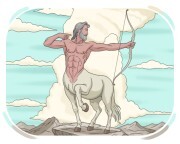
myth
myth
[sostantivo]

a story involving the ancient history of a people, usually about heroes and supernatural events that could be unreal

mito

mito

Ex: The myth of the phoenix tells of a bird that rises from its ashes. 

Il mito della fenice racconta di un uccello che rinasce dalle sue ceneri.

Chiudi
Accedi
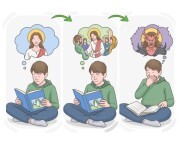
narrator
narrator
[sostantivo]

the person who tells the story in a novel, poem, etc.

narratore

narratore

Ex: As the narrator, she guided the audience through the twists and turns of the plot. 

Come narratrice, ha guidato il pubblico attraverso i colpi di scena della trama.

Chiudi
Accedi
to plot
to plot
[Verbo]

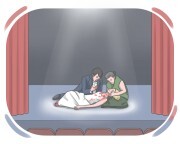
to write the series of events forming a novel, movie, play, etc.

complottare
complottare

Ex: The screenwriter plotted the romantic comedy with humor and heart. 

Lo sceneggiatore ha tracciato la trama della commedia romantica con umorismo e cuore.

Chiudi
Accedi
tragedy
tragedy
[sostantivo]

a play with sad events, especially one that the main character dies at the end

tragedia

tragedia

Ex: The Greek playwright Sophocles is famous for his tragedies, such as 'Oedipus Rex' and 'Antigone'. 

Il drammaturgo greco Sofocle è famoso per le sue tragedie, come 'Edipo Re' e 'Antigone'.

Chiudi
Accedi
twist
twist
[sostantivo]

an unexpected turn in the course of events

svolta

svolta

Ex: Life is full of twists and turns; you never know what might happen next. 

La vita è piena di colpi di scena; non si sa mai cosa potrebbe accadere dopo.

Chiudi
Accedi
symbolic
symbolic
[aggettivo]

consisting of or employing symbols

simbolico

simbolico

Ex: In literature, the green light in "The Great Gatsby" serves as a symbolic representation of hope and the American Dream. 

Nella letteratura, la luce verde ne "Il Grande Gatsby" serve come rappresentazione simbolica della speranza e del sogno americano.

Chiudi
Accedi
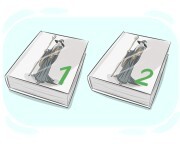
sequel
sequel
[sostantivo]

a book, movie, play, etc. that continues and extends the story of an earlier one

seguito

seguito

Ex: The sequel exceeded expectations, introducing new twists and revelations that kept audiences on the edge of their seats. 

Il seguito ha superato le aspettative, introducendo nuovi colpi di scena e rivelazioni che hanno tenuto il pubblico con il fiato sospeso.

Chiudi
Accedi
to depict
to depict
[Verbo]

to describe a specific subject, scene, person, etc.

descrivere

descrivere

Ex: The artist has been depicting various cultural traditions throughout the year. 

L'artista ha raffigurato varie tradizioni culturali durante tutto l'anno.

Chiudi
Accedi
concise
concise
[aggettivo]

giving a lot of information briefly and clearly

conciso

conciso

Ex: The editor appreciated the author's concise writing style. 

L'editore ha apprezzato lo stile di scrittura conciso dell'autore.

Chiudi
Accedi
autobiographical
autobiographical
[aggettivo]

(of a written work) relating to the author's own life

autobiografico

autobiografico

Ex: The graphic novel was praised for its raw and honest portrayal of the author's life, making it a compelling autobiographical work. 

Il romanzo grafico è stato elogiato per la sua rappresentazione cruda e onesta della vita dell'autore, rendendolo un'opera autobiografica avvincente.

Chiudi
Accedi
appendix
appendix
[sostantivo]

a separate part at the end of a book that gives further information

appendice

appendice

Ex: Readers could find detailed technical specifications in the appendix, including experimental procedures and calculations. 
Chiudi
Accedi
to abridge
to abridge
[Verbo]

to make a book, play, etc. short by omitting the details and including the main parts

abbreviare, ridurre

abbreviare, ridurre

Ex: For the anthology, they abridged the lengthy essay to highlight its main arguments. 

Per l'antologia, hanno ridotto il lungo saggio per evidenziarne gli argomenti principali.

Chiudi
Accedi
foreword
foreword
[sostantivo]

a short introductory section at the beginning of a book, usually written by someone other than the author

prefazione

prefazione

Ex: The author was pleased with the thoughtful foreword provided by a fellow writer. 

L'autore era soddisfatto della prefazione ponderata fornita da un collega scrittore.

Chiudi
Accedi
afterword
afterword
[sostantivo]

a part at the end of a book including some final words that may not be written by the author

postfazione

postfazione

Ex: She read the afterword to understand the editor’s perspective on the story. 

Ha letto la postfazione per capire la prospettiva dell'editore sulla storia.

Chiudi
Accedi
edgy
edgy
[aggettivo]

(of a movie, book, piece of music, etc.) characterized by sharpness, intensity, or boldness, often provoking strong reactions

affilato

affilato

Ex: The director's approach was edgy, using unexpected camera angles. 

L'approccio del regista era spigoloso, utilizzando angoli di ripresa inaspettati.

Chiudi
Accedi
motif
motif
[sostantivo]

a subject, idea, or phrase that is repeatedly used in a literary work

tema

tema

Ex: The motif of "nature versus civilization" serves as a central theme in the story, highlighting the tension between humanity's primal instincts and societal norms. 

Il motivo di "natura contro civiltà" funge da tema centrale nella storia, evidenziando la tensione tra gli istinti primari dell'umanità e le norme sociali.

Chiudi
Accedi
LanGeek
Scarica l'app LanGeek