
Liste de Mots Niveau B2 - Vous Récoltez ce que Vous Semez !
Ici, vous apprendrez quelques mots anglais sur l'agriculture, tels que "champ de maïs", "plantation", "culture", etc., préparés pour les apprenants de niveau B2.
Réviser
Flashcards
formes
Orthographe
Quiz
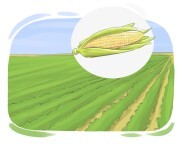
a farming land in which corn is planted

champ de maïs
L'agriculteur a labouré le champ de maïs en préparation pour la plantation.
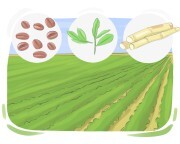
a large piece of land used for growing sugar cane, coffee, tea, etc., particularly in a hot country
plantation
Les travailleurs de la plantation vivaient souvent dans des logements simples près des champs.
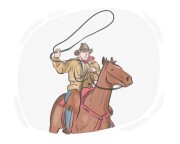
(particularly in the western parts of the US) a male rider who looks after cattle
cowboy
Le cowboy a habilement attrapé le veau avec sa corde pendant l'événement de rodéo.
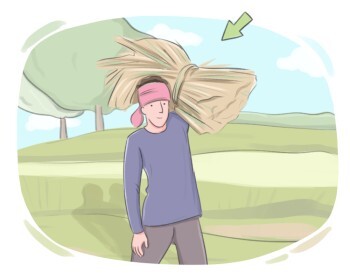
all the fruit, wheat, etc. harvested during a season
récolte, moisson

water that is held in soil, rocks, etc. under the ground
eaux souterraines
Le niveau des eaux souterraines dans la région a diminué en raison de la sécheresse.

the gradual wearing away and removal of soil, rock, or other surface material by natural forces such as water, wind, or ice
érosion
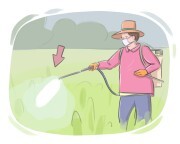
a type of chemical substance that is used for killing insects or small animals that damage food or crops
pesticide
Certaines personnes préfèrent les méthodes d'agriculture biologique qui évitent d'utiliser des pesticides synthétiques.

related to the practice or science of farming
agricole
De nombreuses communautés rurales dépendent fortement des activités agricoles pour leurs moyens de subsistance.
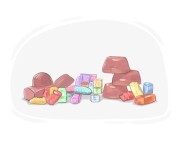
safe or suitable for consumption as food
comestible
L'école a vérifié que toutes les collations fournies étaient comestibles.
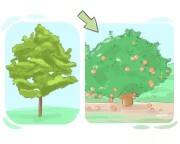
(of an animal, person, or plant) able to produce offspring, fruit, or seed
fertile
La terre fertile près de la rivière produit des récoltes abondantes chaque année.
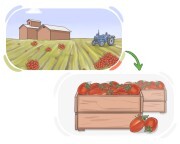
products grown or made on a farm, such as fruits, vegetables, etc.
produits
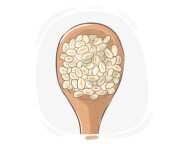
a single seed or grain of the cereal plant barley
orge
Le pain a été fabriqué avec de l'orge entier pour un apport supplémentaire en fibres.
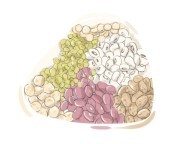
any type of plant whose pods contain seeds, such as peas and beans
légumineuse
L'agriculteur a fait tourner ses cultures, en plantant des légumineuses pour enrichir le sol en azote.
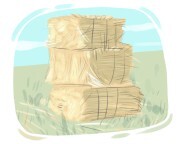
cut and dried grass, for animals to feed on
foin
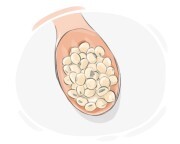
a leguminous plant rich in protein, used for food, fodder, and protein replacement
soja
Le soja est utilisé pour fabriquer le tofu.
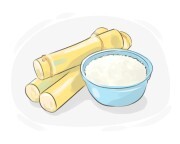
a type of tall tropical plant that sugar can be extracted from its stems
canne à sucre
La canne à sucre est récoltée en coupant les tiges hautes près du sol.
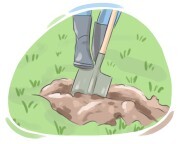
to break up, loosen, or remove earth or another material with a tool, machine, or the hands
creuser
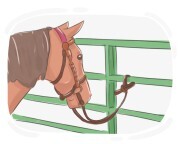
to secure and connect an animal to equipment like a plow, carriage, or sled for controlled movement or work
harnacher
Avant la promenade en calèche, le cocher attela les chevaux à la voiture.

to catch or kill fish or wild animals for food or other use
récolter
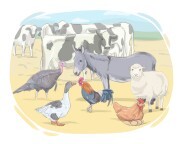
to own and take care of animals
garder, élever
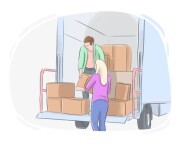
to fill or pack a space with the specified items
remplir
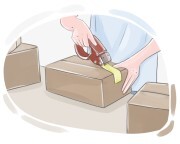
to pack something in order to sell or transport it
empaqueter, emballer
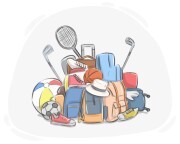
to lay things on top of each other
empiler, ajouter, amasser
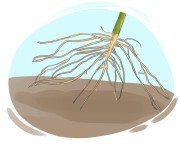
to remove something, such as a plant or tree, by pulling it completely out of the ground
déraciner
La tempête a déraciné plusieurs grands arbres le long de la rue.
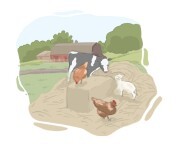
animals that are kept on a farm, such as cows, pigs, or sheep
bétail
Les agriculteurs vendent souvent leur bétail au marché pour en tirer profit.
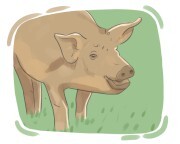
a domestic male pig that is typically used for breeding purposes
verrat
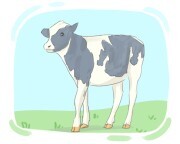
the young offspring of a cow or bull, typically less than one year old
veau
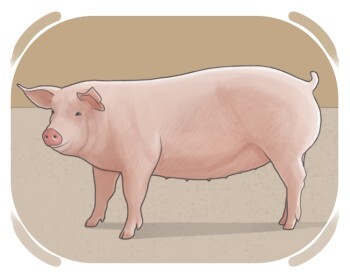
a domestic pig that is kept for its meat
cochon, porc
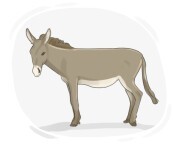
an animal that is the offspring of a male donkey and a female horse, which is particularly used to carry heavy loads
mulet
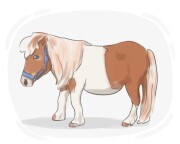
a type of horse that is small in size
poney
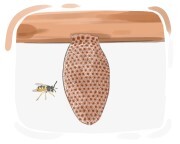
a structure that is made by bees, consisting of six-sided cells where they store their honey
rayon de miel
Le rayon de miel a été soigneusement fabriqué par les abeilles occupées dans la ruche.
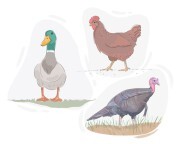
turkeys, chickens, geese, ducks, etc. that are kept for their eggs and meat
volaille, poulet
Elle a acheté de la volaille fraîche au marché local pour le dîner.
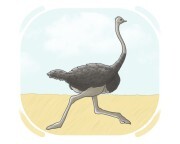
a fast and large bird that is flightless and has long legs and a long neck, native to Africa
autruche
Une autruche a de grands yeux qui l'aident à repérer le danger de loin.
