pattern

Lista de Palabras Nivel B2 - Agricultura y Ganadería

Aquí aprenderás algunas palabras en inglés sobre agricultura, como "cornfield", "plantation", "crop", etc. preparadas para estudiantes de B2.

Revisión

Tarjetas de memoria

formas

Ortografía

Cuestionario

Empezar a aprender
CEFR B2 Vocabulary
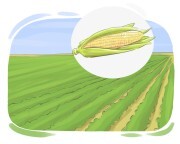
cornfield
cornfield
[Sustantivo]

a farming land in which corn is planted

maizal

maizal

Ex: Children enjoyed playing hide-and-seek in the tall cornfield. 

Los niños disfrutaron jugando al escondite en el alto campo de maíz.
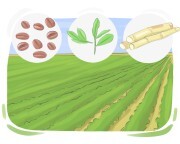
plantation
plantation
[Sustantivo]

a large piece of land used for growing sugar cane, coffee, tea, etc., particularly in a hot country

plantación

plantación

Ex: A variety of crops can be cultivated on a single plantation. 

Se pueden cultivar una variedad de cultivos en una sola plantación.
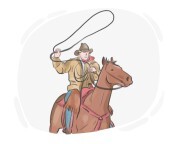
cowboy
cowboy
[Sustantivo]

(particularly in the western parts of the US) a male rider who looks after cattle

vaquero, cowboy

vaquero, cowboy

Ex: Working as a cowboy requires a strong knowledge of livestock and ranching. 

Trabajar como un vaquero requiere un amplio conocimiento del ganado y la ganadería.
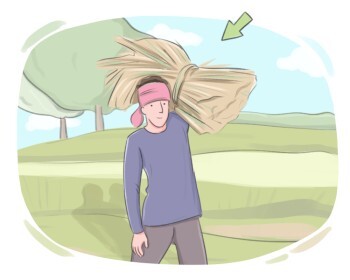
crop
crop
[Sustantivo]

all the fruit, wheat, etc. harvested during a season

cultivo, cosecha

cultivo, cosecha

Ex: Farmers rotate their crops to maintain soil health and fertility. 

Los agricultores rotan sus cultivos para mantener la salud y la fertilidad del suelo.

groundwater
groundwater
[Sustantivo]

water that is held in soil, rocks, etc. under the ground

agua subterránea

agua subterránea

Ex: Rainwater can seep into the ground and replenish groundwater sources. 

El agua de lluvia puede filtrarse en el suelo y reponer las fuentes de agua subterránea.

erosion
erosion
[Sustantivo]

the process by which soil and rock are gradually destroyed and removed by natural forces such as wind, water, and ice

erosión

erosión

Ex: Coastal erosion is a concern for communities living near shorelines, as it can lead to the loss of land and property. 

La erosión costera es una preocupación para las comunidades que viven cerca de las costas, ya que puede provocar la pérdida de tierras y propiedades.

pesticide
pesticide
[Sustantivo]

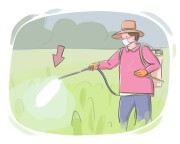
a type of chemical substance that is used for killing insects or small animals that damage food or crops

pesticida

pesticida

Ex: Excessive use of pesticides can harm beneficial insects and the environment. 

El uso excesivo de pesticidas puede dañar a los insectos beneficiosos y al medio ambiente.

agricultural
agricultural
[Adjetivo]

related to the practice or science of farming

agrícola, agrónomo

agrícola, agrónomo

Ex: Agricultural land is often characterized by vast fields of crops such as corn, wheat, and soybeans. 

La tierra agrícola a menudo se caracteriza por vastos campos de cultivos como maíz, trigo y soja.
edible
edible
[Adjetivo]

safe or suitable for consumption as food

comestible

comestible

Ex: Some plants look pretty but are not edible. 

Algunas plantas lucen bonitas pero no son comestibles.
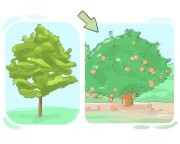
fertile
fertile
[Adjetivo]

(of an animal, person, or plant) able to produce offspring, fruit, or seed

fértil

fértil

Ex: The fertile soil allowed the farmers to grow a variety of crops. 

El suelo fértil permitió a los agricultores cultivar una variedad de cultivos.
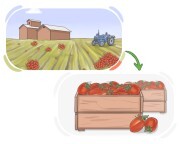
produce
produce
[Sustantivo]

products grown or made on a farm, such as fruits, vegetables, etc.

frutas y verduras
frutas y verduras

Ex: The chef emphasized the use of seasonal produce in his dishes. 

El chef enfatizó el uso de productos de temporada en sus platos.

barley
barley
[Sustantivo]

a single seed or grain of the cereal plant barley

cebada

cebada

Ex: Barley grains are often soaked before cooking. 

Los granos de cebada a menudo se remojan antes de cocinar.
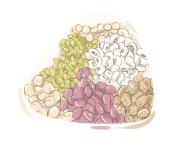
legume
legume
[Sustantivo]

any type of plant whose pods contain seeds, such as peas and beans

legumbre

legumbre

Ex: She enjoys a salad made with mixed greens and assorted legumes. 

Disfruta de una ensalada hecha con verduras mixtas y legumbres variadas.
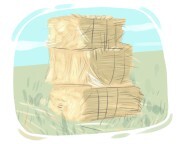
hay
hay
[Sustantivo]

cut and dried grass, for animals to feed on

heno
heno

Ex: They used a tractor to cut the hay in the sunny meadow. 

Usaron un tractor para cortar el heno en el prado soleado.

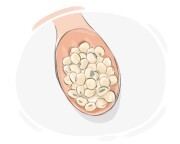
soy
soy
[Sustantivo]

a leguminous plant rich in protein, used for food, fodder, and protein replacement

soya, soja

soya, soja

Ex: Soy products are common in vegetarian diets. 

Los productos de soja son comunes en las dietas vegetarianas.
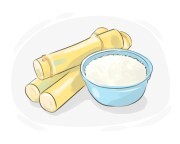
sugar cane
sugar cane
[Sustantivo]

a type of tall tropical plant that sugar can be extracted from its stems

caña de azúcar

caña de azúcar

Ex: In many tropical regions, sugar cane thrives due to the warm climate. 

En muchas regiones tropicales, la caña de azúcar prospera debido al clima cálido.
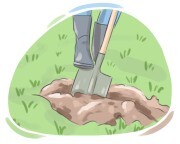
to dig
to dig
[Verbo]

to remove earth or another substance using a tool, machine, or hands

cavar

cavar

Ex: Miners use heavy machinery to dig for valuable minerals. 

Los mineros usan maquinaria pesada para excavar en busca de minerales valiosos.

to harness
to harness
[Verbo]

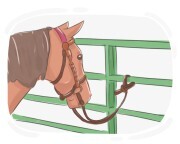
to secure and connect an animal to equipment like a plow, carriage, or sled for controlled movement or work

poner un arnés a

poner un arnés a

Ex: The sled dogs were harnessed to the sled in preparation for the race. 

Los perros de trineo fueron enjaezados al trineo en preparación para la carrera.

to harvest
to harvest
[Verbo]

to catch fish or other animals for consumption

recoger

recoger

Ex: It is important to harvest responsibly to maintain wildlife populations. 

Es importante cosechar de manera responsable para mantener las poblaciones de vida silvestre.

to keep
to keep
[Verbo]

to own and take care of animals

guardar, criar
guardar, criar

Ex: She keeps a small herd of sheep on her farm. 

Ella mantiene un pequeño rebaño de ovejas en su granja.

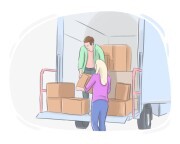
to load
to load
[Verbo]

to fill or pack a space with the specified items

cargar
cargar

Ex: The driver loaded the delivery van with packages for the morning delivery route. 

El conductor cargó la furgoneta de reparto con paquetes para la ruta de entrega de la mañana.

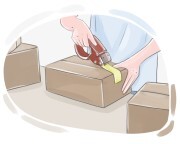
to package
to package
[Verbo]

to pack something in order to sell or transport it

empaquetar, embalar

empaquetar, embalar

Ex: The online retailer had to package the products before shipping to customers. 

El minorista en línea tuvo que empaquetar los productos antes de enviarlos a los clientes.

to pile
to pile
[Verbo]

to lay things on top of each other

apilar, amontonar
apilar, amontonar

Ex: She is currently piling logs of wood in the backyard for the winter. 

Ella está actualmente amontonando troncos de madera en el patio trasero para el invierno.

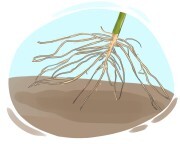
to uproot
to uproot
[Verbo]

to remove something, such as a plant or tree, by pulling it completely out of the ground

arrancar, arrancar de raíz

arrancar, arrancar de raíz

Ex: Farmers uprooted the weeds from the fields before planting the new crops. 

Los agricultores arrancaron las malas hierbas de los campos antes de plantar los nuevos cultivos.
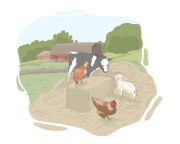
livestock
livestock
[Sustantivo]

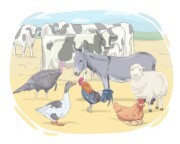
animals that are kept on a farm, such as cows, pigs, or sheep

ganado

ganado

Ex: Proper care and feeding are essential for healthy livestock. 

El cuidado y la alimentación adecuados son esenciales para un ganado saludable.
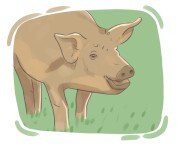
boar
boar
[Sustantivo]

a domestic male pig that is typically used for breeding purposes

cerdo
cerdo

Ex: The aggressive behavior of the boar was a challenge for the farmhands to manage. 

El comportamiento agresivo del verraco fue un desafío para los trabajadores de la granja.

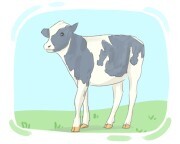
calf
calf
[Sustantivo]

the young offspring of a cow or bull, typically less than one year old

ternero
ternero

Ex: The dairy farm welcomed several new calves during the calving season. 

La granja lechera dio la bienvenida a varios nuevos terneros durante la temporada de partos.

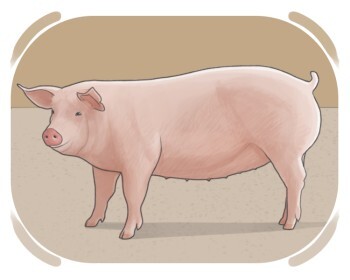
hog
hog
[Sustantivo]

a domestic pig that is kept for its meat

puerco
puerco

Ex: The children laughed as the playful hog rolled in the mud. 

Los niños se rieron mientras el cerdo juguetón rodaba en el barro.

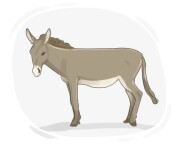
mule
mule
[Sustantivo]

an animal that is the offspring of a male donkey and a female horse, which is particularly used to carry heavy loads

mula
mula

Ex: A mule has a calm temperament, making it easy to train. 

Una mula tiene un temperamento tranquilo, lo que facilita su entrenamiento.

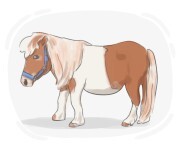
pony
pony
[Sustantivo]

a type of horse that is small in size

poni
poni

Ex: The pony stood calmly as the little girl brushed its mane. 

El pony se quedó quieto mientras la niña le cepillaba la crin.

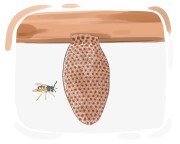
honeycomb
honeycomb
[Sustantivo]

a structure that is made by bees, consisting of six-sided cells where they store their honey

panal

panal

Ex: A piece of honeycomb can add a unique texture to desserts. 

Un trozo de panal puede añadir una textura única a los postres.
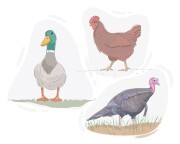
poultry
poultry
[Sustantivo]

turkeys, chickens, geese, ducks, etc. that are kept for their eggs and meat

aves de corral

aves de corral

Ex: Poultry farming is an important agricultural industry in many countries. 

La avicultura es una industria agrícola importante en muchos países.
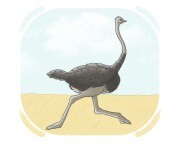
ostrich
ostrich
[Sustantivo]

a fast and large bird that is flightless and has long legs and a long neck, native to Africa

avestruz

avestruz

Ex: The farmer raised ostriches for their feathers and meat. 

El granjero criaba avestruces por sus plumas y carne.

LanGeek
Descargar la aplicación LanGeek