
pattern

Lista de Palavras Nível B2 - Farming

Aqui você aprenderá algumas palavras em inglês sobre agricultura, como "milharal", "plantação", "colheita", etc., preparadas para alunos de nível B2.

Revisar

Flashcards

formas

Ortografia

Quiz

Começar a aprender
CEFR B2 Vocabulary
cornfield
cornfield
[substantivo]

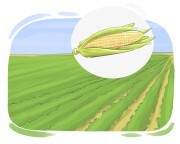
a farming land in which corn is planted

milharal, campo de milho

milharal, campo de milho

Ex: The cornfield stretched for acres under the summer sun. 
Fechar
Entrar
plantation
plantation
[substantivo]

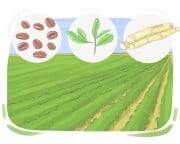
a large piece of land used for growing sugar cane, coffee, tea, etc., particularly in a hot country

plantação, fazenda

plantação, fazenda

Ex: The plantation produced large quantities of sugarcane for export. 
Fechar
Entrar
cowboy
cowboy
[substantivo]

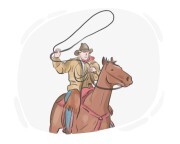
(particularly in the western parts of the US) a male rider who looks after cattle

vaqueiro, cowboy

vaqueiro, cowboy

Ex: The cowboy rode across the plains, guiding the cattle to new pastures. 
Fechar
Entrar
crop
crop
[substantivo]

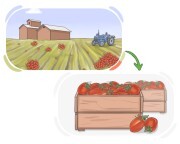
all the fruit, wheat, etc. harvested during a season

colheita, safra

colheita, safra

Ex: The farmer harvested a large crop of corn this year. 
Fechar
Entrar
groundwater
groundwater
[substantivo]

water that is held in soil, rocks, etc. under the ground

água subterrânea, lençol freático

água subterrânea, lençol freático

Ex: Many communities rely on groundwater for their drinking water supply. 
Fechar
Entrar
erosion
erosion
[substantivo]

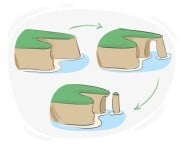
the process by which soil and rock are gradually destroyed and removed by natural forces such as wind, water, and ice

erosão, desgaste

erosão, desgaste

Ex: The Grand Canyon was formed over millions of years through the erosion of the Colorado River cutting through the rock layers. 
Fechar
Entrar
pesticide
pesticide
[substantivo]

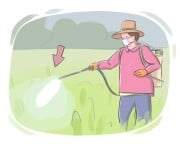
a type of chemical substance that is used for killing insects or small animals that damage food or crops

pesticida, agrotóxico

pesticida, agrotóxico

Ex: The farmer applied pesticide to protect his crops from harmful insects. 
Fechar
Entrar
agricultural
agricultural
[adjetivo]

related to the practice or science of farming

agrícola, agropecuário

agrícola, agropecuário

Ex: Agricultural practices involve the growing of crops and raising of livestock for food production. 
Fechar
Entrar
edible
edible
[adjetivo]

safe or suitable for consumption as food

comestível, próprio para consumo

comestível, próprio para consumo

Ex: Make sure the meat is cooked enough to be edible. 
Fechar
Entrar
fertile
fertile
[adjetivo]

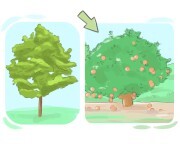
(of an animal, person, or plant) able to produce offspring, fruit, or seed

fértil

fértil

Ex: She learned that some plants are more fertile in certain climates. 
Fechar
Entrar
produce
produce
[substantivo]

products grown or made on a farm, such as fruits, vegetables, etc.

produtos agrícolas

produtos agrícolas

Ex: The grocery store had a wide selection of produce in the fresh section. 
Fechar
Entrar
barley
barley
[substantivo]

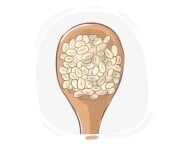
a single seed or grain of the cereal plant barley

um grão de cevada, uma cevada

um grão de cevada, uma cevada

Ex: He picked a barley from the sack and examined it closely. 
Fechar
Entrar
legume
legume
[substantivo]

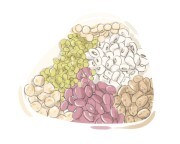
any type of plant whose pods contain seeds, such as peas and beans

legume, leguminosa

legume, leguminosa

Ex: Chickpeas and lentils are common legumes used in vegetarian cooking. 
Fechar
Entrar
hay
hay
[substantivo]

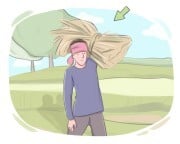
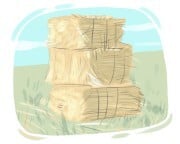
cut and dried grass, for animals to feed on

feno, grama seca

feno, grama seca

Ex: The farmer stacked bales of hay in the barn for the winter. 
Fechar
Entrar
soy
soy
[substantivo]

a leguminous plant rich in protein, used for food, fodder, and protein replacement

soja, soya

soja, soya

Ex: Soy is a major source of plant-based protein. 
Fechar
Entrar
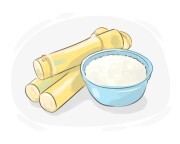
sugar cane
sugar cane
[substantivo]

a type of tall tropical plant that sugar can be extracted from its stems

cana-de-açúcar, planta de açúcar

cana-de-açúcar, planta de açúcar

Ex: The farmers grow sugar cane in large fields to produce sugar. 
Fechar
Entrar
to dig
to dig
[verbo]

to remove earth or another substance using a tool, machine, or hands

cavar, escavar

cavar, escavar

Ex: The archaeologist used a shovel to dig for ancient artifacts. 
Fechar
Entrar
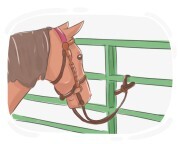
to harness
to harness
[verbo]

to secure and connect an animal to equipment like a plow, carriage, or sled for controlled movement or work

arrear, prender

arrear, prender

Ex: The farmer harnessed the horses to the plow to prepare the field for planting. 
Fechar
Entrar
to harvest
to harvest
[verbo]

to catch fish or other animals for consumption

colher, pescar

colher, pescar

Ex: They harvest the fish from the lake each summer. 
Fechar
Entrar
to keep
to keep
[verbo]

to own and take care of animals

manter, criar

manter, criar

Ex: He keeps chickens in his backyard for fresh eggs. 
Fechar
Entrar
to load
to load
[verbo]

to fill or pack a space with the specified items

carregar, encher

carregar, encher

Ex: The cargo plane was loaded with relief supplies to be transported to the disaster-stricken area. 
Fechar
Entrar
to package
to package
[verbo]

to pack something in order to sell or transport it

empacotar, embalar

empacotar, embalar

Ex: In preparation for the move, they needed to package the electronics securely. 
Fechar
Entrar
to pile
to pile
[verbo]

to lay things on top of each other

empilhar, amontoar

empilhar, amontoar

Ex: The librarian piled books on the table as she sorted them into different categories. 
Fechar
Entrar
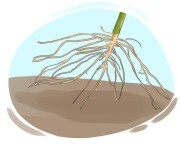
to uproot
to uproot
[verbo]

to remove something, such as a plant or tree, by pulling it completely out of the ground

desarraigar, arrancar

desarraigar, arrancar

Ex: They uprooted the old tree to make space for a new playground. 
Fechar
Entrar
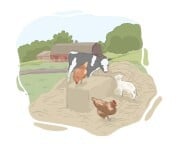
livestock
livestock
[substantivo]

animals that are kept on a farm, such as cows, pigs, or sheep

gado, animais de fazenda

gado, animais de fazenda

Ex: The farm had a variety of livestock, including cows, pigs, and sheep. 
Fechar
Entrar
boar
boar
[substantivo]

a domestic male pig that is typically used for breeding purposes

javali, porco macho

javali, porco macho

Ex: The farmer kept several boars in separate pens for breeding with the sows. 
Fechar
Entrar
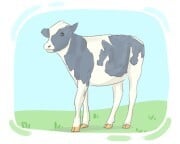
calf
calf
[substantivo]

the young offspring of a cow or bull, typically less than one year old

bezerro, novilho

bezerro, novilho

Ex: After weaning, the calf was separated from its mother and placed in a separate pen. 
Fechar
Entrar
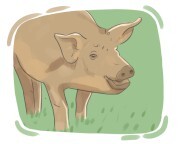
hog
hog
[substantivo]

a domestic pig that is kept for its meat

porco, suíno

porco, suíno

Ex: The farmer raised a hog for the county fair competition. 
Fechar
Entrar
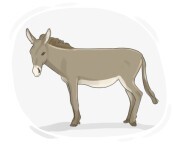
mule
mule
[substantivo]

an animal that is the offspring of a male donkey and a female horse, which is particularly used to carry heavy loads

mula

mula

Ex: The mule carried heavy loads up the steep mountain trail. 
Fechar
Entrar
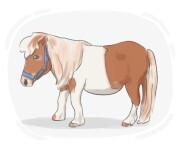
pony
pony
[substantivo]

a type of horse that is small in size

pônei, cavalo pequeno

pônei, cavalo pequeno

Ex: The children enjoyed riding the pony during their visit to the farm. 
Fechar
Entrar
honeycomb
honeycomb
[substantivo]

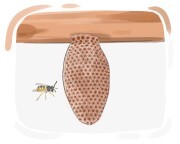
a structure that is made by bees, consisting of six-sided cells where they store their honey

favo de mel, colméia

favo de mel, colméia

Ex: The honeycomb was filled with golden honey, ready for harvesting. 
Fechar
Entrar
poultry
poultry
[substantivo]

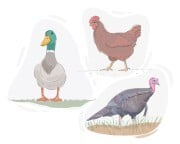
turkeys, chickens, geese, ducks, etc. that are kept for their eggs and meat

aves domésticas, avicultura

aves domésticas, avicultura

Ex: The farm specializes in raising poultry for both meat and egg production. 
Fechar
Entrar
ostrich
ostrich
[substantivo]

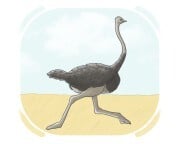
a fast and large bird that is flightless and has long legs and a long neck, native to Africa

avestruz, ave grande e rápida que não pode voar

avestruz, ave grande e rápida que não pode voar

Ex: The ostrich can run up to 40 miles per hour to escape predators. 
Fechar
Entrar
LanGeek
Baixar o aplicativo LanGeek