
Vocabulaire pour IELTS (Général) - Signalisation
Ici, vous apprendrez quelques mots anglais sur le balisage, tels que "de plus", "ainsi", "montrer", etc., qui sont nécessaires pour l'examen IELTS.
Réviser
Flashcards
formes
Orthographe
Quiz

used to introduce extra information or points

de plus, en outre
Elle a une solide expérience en marketing; de plus, elle possède d'excellentes compétences en communication.

used to introduce additional information
de plus, en outre
Notre recherche suggère que l'exercice améliore le bien-être mental ; de plus, des niveaux d'activité plus élevés apportent de plus grands avantages.
used to introduce additional information or to emphasize a point
de plus
L'équipe a fait preuve d'un travail d'équipe exceptionnel pendant le projet, et de plus, elle a dépassé les attentes du client en livrant avant la date prévue.

referring to the first of two things mentioned
premier
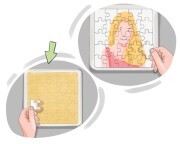
related to the beginning of a series or process
initial
referring to the second of two things mentioned
dernier
happening or existing before something else
préalable
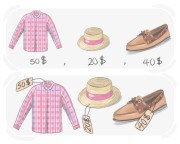
used to show that separate items correspond to separate others in the order listed
respectivement
New York et LA sont respectivement 4 et 6 heures derrière GMT.
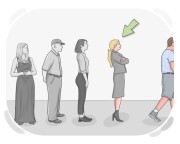
occurring or coming after something else
ultérieur, suivant
Les réunions ultérieures aborderont les points restants de l'ordre du jour.

with everyone or everything included
en général
in the way or manner that is already mentioned
ainsi

used to indicate a logical result or effect
alors, donc, par conséquent
Elle a ignoré les signes d'alerte de l'épuisement professionnel, et par conséquent, son bien-être général en a souffert.

used to add another item, fact, or action to what has already been mentioned
aussi, également
Le forfait comprend le dîner et également un dessert gratuit.

as a second choice or another possibility
ou bien, ou sinon
in a way that is different from what has been mentioned
inversement
Malgré les assurances d'une performance améliorée, les utilisateurs ont constaté que, inversement, le nouveau logiciel a introduit plus de problèmes opérationnels.
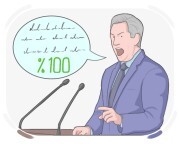
to state confidently and firmly that something is true
affirmer

to say that something is the case without providing proof for it
revendiquer
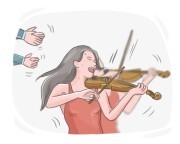
to show clearly that something is true or exists by providing proof or evidence
prouver
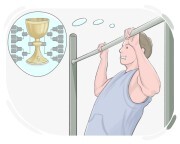
to have something in mind as a plan or purpose
avoir l’intention de
used to introduce the first fact, reason, step, etc.
premièrement
Lors de la configuration de votre profil, d'abord, entrez vos informations de base telles que votre nom et votre adresse e-mail.
used to introduce the second point, reason, step, etc.
deuxièmement
Pour assembler les meubles, premièrement, connectez les pièces du cadre. Deuxièmement, fixez les étagères.
used to indicate that what follows is the conclusion or final aspect being considered
pour finir
Le rapport couvre plusieurs aspects importants, mais enfin, il souligne la nécessité d'un investissement continu.
to clearly indicate or highlight the structure, direction, or development of a speech, argument, or presentation
indiquer
Il a balisé chaque étape de son argumentation pour aider le public à suivre.
provided to improve or enhance something that already exists
supplémentaire, additionnel
used to add extra information or to introduce a reason that supports what was just said
d’ailleurs, du reste
Elle ne vient pas à la fête. D'ailleurs, il est trop tard pour changer les plans.
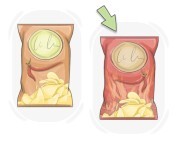
to a degree or extent that is greater or more than usual
particulièrement, de plus
used to introduce a statement that is true for one thing and false for another
tandis que
John aime la nourriture épicée, alors que Sarah préfère les saveurs douces.
during the time that something else is happening
pendant que, cependant que
Il a écouté de la musique pendant qu'il préparait le dîner.
after considering all relevant facts and taking every factor into account
tout bien considéré
used to highlight the differences between two or more things or people
par contre
En été, la ville grouille de touristes et d'événements en plein air ; en revanche, les mois d'hiver sont calmes et tranquilles.

used to introduce an opposing statement
pourtant
to teach or explain to someone how something is done in a practical way
montrer, expliquer
used to indicate the outcome of a preceding action or situation
en conséquence
L'entreprise a mis en œuvre des mesures de réduction des coûts, et en conséquence, leurs bénéfices ont considérablement augmenté.
