pattern

Slovní Zásoba pro IELTS (Obecná) - Značení

Zde se naučíte některá anglická slova o navigaci, jako jsou "moreover", "thus", "show" atd., která jsou potřebná pro zkoušku IELTS.

Revize

Kartičky

tvary

Pravopis

Kvíz

Začněte se učit
Words for General IELTS
additionally
additionally
[Příslovce]

used to introduce extra information or points

navíc, dále

navíc, dále

Ex: The report highlights the financial performance of the company, and additionally, it outlines future growth strategies. 

Zpráva zdůrazňuje finanční výkonnost společnosti a navíc nastiňuje budoucí růstové strategie.

furthermore
furthermore
[Příslovce]

used to introduce additional information

navíc, dále

navíc, dále

Ex: Jack's leadership inspires success and adaptability; furthermore, his vision drives the project forward. 

Jackovo vedení inspiruje k úspěchu a přizpůsobivosti; navíc jeho vize posouvá projekt kupředu.

moreover
moreover
[Příslovce]

used to introduce additional information or to emphasize a point

navíc, kromě toho

navíc, kromě toho

Ex: He is an excellent speaker; moreover, he knows how to engage the audience. 

Je vynikající řečník; navíc ví, jak zaujmout publikum.

former
former
[Přídavné jméno]

referring to the first of two things mentioned

první, bývalý
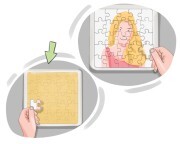
první, bývalý

Ex: After considering two internship offers, he decided to pursue the former opportunity as it offered more hands-on experience. 
initial
initial
[Přídavné jméno]

related to the beginning of a series or process

počáteční, první

počáteční, první

Ex: The initial stages of the project involved research and planning. 
latter
latter
[Přídavné jméno]

referring to the second of two things mentioned

poslední, druhý

poslední, druhý

Ex: n the debate between the two proposals, the latter argument was more compelling. 
prior
prior
[Přídavné jméno]

happening or existing before something else

předchozí, předcházející
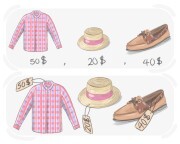
předchozí, předcházející

Ex: They discussed the prior agreements before finalizing the contract. 
respectively
respectively
[Příslovce]

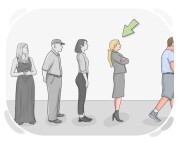
used to show that separate items correspond to separate others in the order listed

respektive

respektive

Ex: The hotel rooms cost 200 and 300 per night, respectively. 

Hotelové pokoje stojí 200 a 300 za noc, respektive.
subsequent
subsequent
[Přídavné jméno]

occurring or coming after something else

následující, další

následující, další

Ex: She completed the first draft and made subsequent revisions to improve the manuscript. 

Dokončila první návrh a provedla následné revize, aby vylepšila rukopis.

overall
overall
[Příslovce]

with everyone or everything included

celkově, všehovšudy

celkově, všehovšudy

Ex: He felt overall satisfied with his performance in the exam, despite a few mistakes. 
thus
thus
[Příslovce]

in the way or manner that is already mentioned

takto, tímto způsobem

takto, tímto způsobem

Ex: She always spoke politely, and taught her children to do thus. 
consequently
consequently
[Příslovce]

used to indicate a logical result or effect

následně,  proto

následně, proto

Ex: The company invested heavily in research and development, and consequently, they launched innovative products that captured a wider market share. 

Společnost silně investovala do výzkumu a vývoje a v důsledku toho uvedla na trh inovativní produkty, které získaly větší podíl na trhu.

however
however
[Příslovce]

used to indicate contrast or contradiction

však, nicméně

však, nicméně

also
also
[Příslovce]

used to add another item, fact, or action to what has already been mentioned

také,  navíc

také, navíc

Ex: The movie was entertaining and also thought-provoking. 

Film byl zábavný a také podnětný.

alternatively
alternatively
[Příslovce]

as a second choice or another possibility

alternativně, jako alternativa

alternativně, jako alternativa

Ex: If the weather is unfavorable for outdoor activities, you can alternatively explore indoor entertainment options. 
conversely
conversely
[Příslovce]

in a way that is different from what has been mentioned

naopak, obráceně

naopak, obráceně

Ex: The new policy benefits larger companies; conversely, smaller firms may struggle. 

Nová politika prospívá větším společnostem; naopak menší firmy mohou zápasit.
to assert
to assert
[sloveso]

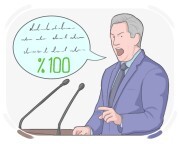
to state confidently and firmly that something is true

tvrdit,  prohlašovat

tvrdit, prohlašovat

Ex: The author asserts that social conditions strongly influence behavior. 
to claim
to claim
[sloveso]

to say that something is the case without providing proof for it

tvrdit, nárokovat

tvrdit, nárokovat

Ex: The controversial article regularly claims that a UFO sighting occurred last night. 
to demonstrate

to show clearly that something is true or exists by providing proof or evidence

demonstrovat, dokázat

demonstrovat, dokázat

Ex: The scientist demonstrated the effectiveness of the new drug through a series of experiments. 
to intend
to intend
[sloveso]

to have something in mind as a plan or purpose

mít v úmyslu, plánovat

mít v úmyslu, plánovat

Ex: She intends to travel abroad next summer. 
firstly
firstly
[Příslovce]

used to introduce the first fact, reason, step, etc.

Za prvé, Nejprve

Za prvé, Nejprve

Ex: In presenting your argument, firstly, outline the main reasons supporting your position. 

Při předkládání svého argumentu, za prvé, nastiňte hlavní důvody podporující vaše stanovisko.

secondly
secondly
[Příslovce]

used to introduce the second point, reason, step, etc.

za druhé, poté

za druhé, poté

Ex: Firstly, we need to plan; secondly, we need to act. 

Za prvé, musíme plánovat; za druhé, musíme jednat.

finally
finally
[Příslovce]

used to indicate that what follows is the conclusion or final aspect being considered

konečně, nakonec

konečně, nakonec

Ex: Finally, we need to discuss the timeline for project completion. 

Nakonec musíme probrat časový harmonogram dokončení projektu.

to signpost
to signpost
[sloveso]

to clearly indicate or highlight the structure, direction, or development of a speech, argument, or presentation

označit, ukázat směr

označit, ukázat směr

Ex: The teacher signposted the lesson so students knew what to expect. 

Učitel označil lekci, aby studenti věděli, co očekávat.

supplementary
supplementary
[Přídavné jméno]

provided to improve or enhance something that already exists

doplňkový, přídavný

doplňkový, přídavný

Ex: The film’s DVD release featured supplementary content like behind-the-scenes footage and director’s commentary. 

DVD vydání filmu obsahovalo doplňkový obsah, jako jsou záběry ze zákulisí a komentář režiséra.

besides
besides
[Příslovce]

used to add extra information or to introduce a reason that supports what was just said

kromě toho, navíc

kromě toho, navíc

Ex: It's too expensive.  Besides, I don't really need it. 

Je to příliš drahé. Kromě toho to opravdu nepotřebuji.
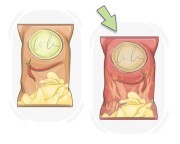
extra
extra
[Příslovce]

to a degree or extent that is greater or more than usual

zvláště,  mimořádně

zvláště, mimořádně

Ex: She worked extra hard to finish the project on time. 
whereas
whereas
[Spojka]

used to introduce a statement that is true for one thing and false for another

zatímco, naopak

zatímco, naopak

Ex: Whereas the morning was chilly, the afternoon turned out to be warm and pleasant. 

Zatímco ráno bylo chladno, odpoledne se ukázalo být teplé a příjemné.

whilst
whilst
[Spojka]

during the time that something else is happening

zatímco, během

zatímco, během

Ex: I wrote notes whilst attending the lecture. 

Psal jsem si poznámky během účasti na přednášce.

on balance
on balance
[fráze]

after considering all relevant facts and taking every factor into account

(in|by) contrast
in contrast
[Příslovce]

used to highlight the differences between two or more things or people

na rozdíl, naopak

na rozdíl, naopak

Ex: The old house had a charming, rustic feel, whereas the new one, in contrast, is sleek and modern. 

Starý dům měl okouzlující, rustikální atmosféru, zatímco nový, naopak, je elegantní a moderní.

nevertheless
nevertheless
[Příslovce]

used to introduce an opposing statement

přesto, nicméně

přesto, nicméně

Ex: The path was forbidden; they walked it nevertheless. 
to show
to show
[sloveso]

to teach or explain to someone how something is done in a practical way

ukázat, naučit
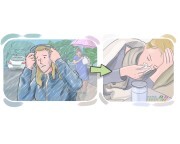
ukázat, naučit

Ex: She showed me how to use the machine. 
as a result
as a result
[Příslovce]

used to indicate the outcome of a preceding action or situation

jako výsledek, v důsledku toho

jako výsledek, v důsledku toho

Ex: As a result, they were forced to downsize their operations. 

V důsledku toho byli nuceni snížit své operace.

LanGeek
Stáhnout aplikaci LanGeek
