pattern

IELTS のための語彙 (一般) - 道案内

ここでは、IELTS試験に必要な「さらに」、「したがって」、「示す」などの標識に関するいくつかの英語の単語を学びます。

レビュー

フラッシュカード

語形

綴り

クイズ

学習を開始
Words for General IELTS
additionally
additionally
[副詞]

used to introduce extra information or points

さらに, 加えて

さらに, 加えて

Ex: The team completed the project ahead of schedule, and additionally, they exceeded the client's expectations. 

チームは予定より早くプロジェクトを完了し、さらに、クライアントの期待を超えました。

furthermore
furthermore
[副詞]

used to introduce additional information

さらに, その上

さらに, その上

Ex: The research findings supported the hypothesis, and furthermore, they provided valuable insights into potential applications. 

研究結果は仮説を支持し、さらに、潜在的な応用に関する貴重な洞察を提供しました。

moreover
moreover
[副詞]

used to introduce additional information or to emphasize a point

さらに, その上

さらに, その上

Ex: The new policy aims to reduce carbon emissions, and moreover, it aligns with the company's commitment to environmental sustainability. 

新しい政策は炭素排出量の削減を目指しており、さらに、企業の環境持続可能性への取り組みと一致しています。

former
former
[形容詞]

referring to the first of two things mentioned

前者, 以前の

前者, 以前の

Ex: When deciding between two universities, he chose the former institution for its renowned faculty and research opportunities. 
initial
initial
[形容詞]

related to the beginning of a series or process

初期の, 最初の

初期の, 最初の

Ex: The initial assessment of the situation indicated that further investigation was needed. 
latter
latter
[形容詞]

referring to the second of two things mentioned

後者, 第二の

後者, 第二の

Ex: Between her first and second job offers, she chose the latter opportunity because it aligned better with her career goals. 
prior
prior
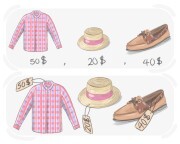
[形容詞]

happening or existing before something else

以前の, 前の
以前の, 前の

Ex: Prior research on the subject laid the foundation for the current study. 
respectively
respectively
[副詞]

used to show that separate items correspond to separate others in the order listed

それぞれ

それぞれ

Ex: Tom and Jerry are 5 and 3 years old, respectively. 

トムとジェリーはそれぞれ5歳と3歳です。

subsequent
subsequent
[形容詞]

occurring or coming after something else

その後の, 次の

その後の, 次の

Ex: The subsequent chapters of the book delve deeper into the protagonist's journey. 

本の後の章では、主人公の旅についてさらに深く掘り下げています。

overall
overall
[副詞]

with everyone or everything included

全体的に, 概して

全体的に, 概して

Ex: The weather during the vacation was overall pleasant, with only occasional showers. 
thus
thus
[副詞]

in the way or manner that is already mentioned

このように, そうして

このように, そうして

Ex: The contract was signed thus in earlier cases. 
consequently
consequently
[副詞]

used to indicate a logical result or effect

その結果、したがって

その結果、したがって

Ex: The team neglected to conduct thorough testing, and consequently, several critical errors emerged in the final product. 

チームは徹底的なテストを怠り、その結果、最終製品にいくつかの重大なエラーが発生しました。

however
however
[副詞]

used to indicate contrast or contradiction

しかし, にもかかわらず

しかし, にもかかわらず

also
also
[副詞]

used to add another item, fact, or action to what has already been mentioned

また、さらに

また、さらに

Ex: She teaches full-time and also runs her own business. 

彼女はフルタイムで教えており、また自分のビジネスも経営しています。

alternatively

as a second choice or another possibility

代替的に, 別の選択肢として

代替的に, 別の選択肢として

Ex: If you prefer not to drive, you can alternatively take the train to the city. 
conversely
conversely
[副詞]

in a way that is different from what has been mentioned

逆に, 反対に

逆に, 反対に

Ex: While the forecast predicted a sunny day, conversely, a sudden and unexpected storm rolled in. 

予報では晴れの日が予想されていましたが、逆に、突然の予期せぬ嵐がやってきました。
to assert
to assert
[動詞]

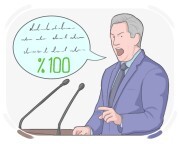
to state confidently and firmly that something is true

断言する,  言い張る

断言する, 言い張る

Ex: Sarah asserted that the figures in the report were accurate. 
to claim
to claim
[動詞]

to say that something is the case without providing proof for it

主張する, 断言する

主張する, 断言する

Ex: The explorer claimed to have discovered a hidden treasure. 
to demonstrate

to show clearly that something is true or exists by providing proof or evidence

実証する, 証明する

実証する, 証明する

Ex: The experiment demonstrated the effectiveness of the new medication in reducing symptoms. 
to intend
to intend
[動詞]

to have something in mind as a plan or purpose

意図する, 計画する

意図する, 計画する

Ex: The company intends to launch a new product line next year. 
firstly
firstly
[副詞]

used to introduce the first fact, reason, step, etc.

まず第一に, 最初に

まず第一に, 最初に

Ex: Firstly, gather all the necessary materials before starting the experiment. 

まず第一に、実験を始める前に必要な材料をすべて集めてください。

secondly
secondly
[副詞]

used to introduce the second point, reason, step, etc.

第二に, 次に

第二に, 次に

Ex: Firstly, gather the ingredients for the recipe.  Secondly, preheat the oven to 350°F. 

まず、レシピの材料を集めます。次に、オーブンを350°Fに予熱します。

finally
finally
[副詞]

used to indicate that what follows is the conclusion or final aspect being considered

最後に, ついに

最後に, ついに

Ex: Finally, we should evaluate whether the proposed solution is sustainable in the long term. 

最後に、提案された解決策が長期的に持続可能かどうかを評価すべきです。

to signpost
to signpost
[動詞]

to clearly indicate or highlight the structure, direction, or development of a speech, argument, or presentation

道しるべを立てる, 方向を示す

道しるべを立てる, 方向を示す

Ex: The lecturer signposted the main points at the start of her talk. 

講師は講演の冒頭で主要なポイントを示した.

supplementary
supplementary
[形容詞]

provided to improve or enhance something that already exists

補足的な, 追加の

補足的な, 追加の

Ex: The teacher handed out supplementary worksheets to help students grasp the more challenging concepts. 

先生は、生徒がより難しい概念を理解するのを助けるために、補助的なワークシートを配布しました。

besides
besides
[副詞]

used to add extra information or to introduce a reason that supports what was just said

その上, さらに

その上, さらに

Ex: I don't want to go.  Besides, I'm feeling tired. 

私は行きたくない。その上、疲れを感じている。

extra
extra
[副詞]

to a degree or extent that is greater or more than usual

特に,  余計に

特に, 余計に

Ex: She worked extra diligently to complete the project ahead of schedule. 
whereas
whereas
[接続詞]

used to introduce a statement that is true for one thing and false for another

一方で, に対して

一方で, に対して

Ex: James is outgoing and talkative, whereas his brother is reserved and quiet. 

ジェームズは外向的でおしゃべりですが、一方で彼の兄弟は控えめで静かです。

whilst
whilst
[接続詞]

during the time that something else is happening

一方で, 間に

一方で, 間に

Ex: She read a book whilst waiting for the train. 

彼女は電車を待っている間に本を読んだ。

on balance

after considering all relevant facts and taking every factor into account

(in|by) contrast
in contrast
[副詞]

used to highlight the differences between two or more things or people

対照的に, 反対に

対照的に, 反対に

Ex: The professor's lectures are informative and engaging; by contrast, the textbook is dry and difficult to understand. 

教授の講義は情報が豊富で魅力的です;対照的に、教科書は無味乾燥で理解しにくいです。

nevertheless
nevertheless
[副詞]

used to introduce an opposing statement

それにもかかわらず, しかしながら

それにもかかわらず, しかしながら

Ex: The plan was risky; they proceeded nevertheless. 
to show
to show
[動詞]

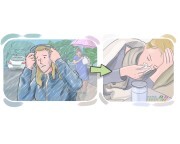
to teach or explain to someone how something is done in a practical way

見せる, 教える
見せる, 教える

Ex: Can you show me how to tie a knot? 
as a result
as a result
[副詞]

used to indicate the outcome of a preceding action or situation

その結果, したがって

その結果, したがって

Ex: He worked hard on his studies, and as a result, he achieved top grades in the class. 

彼は勉強に一生懸命取り組み、その結果、クラスで最高の成績を収めました。

LanGeek
LanGeekアプリをダウンロード