
pattern

Vocabulary for IELTS (General) - Signposting

Here you will learn some English words about signposting, such as "moreover", "thus", "show", etc. that are needed for the IELTS exam.

Review

Flashcards

Forms

Spelling

Quiz

Start learning
Words for General IELTS
additionally
additionally
[Adverb]

used to introduce extra information or points

Ex: The team completed the project ahead of schedule, and additionally, they exceeded the client's expectations. 
Close
Sign in
furthermore
furthermore
[Adverb]

used to introduce additional information

Ex: The research findings supported the hypothesis, and furthermore, they provided valuable insights into potential applications. 
Close
Sign in
moreover
moreover
[Adverb]

used to introduce additional information or to emphasize a point

Ex: The new policy aims to reduce carbon emissions, and moreover, it aligns with the company's commitment to environmental sustainability. 
Close
Sign in
former
former
[Adjective]

referring to the first of two things mentioned

Ex: After considering two internship offers, he decided to pursue the former opportunity as it offered more hands-on experience. 
Close
Sign in
initial
initial
[Adjective]

related to the beginning of a series or process

Ex: The initial stages of the project involved research and planning. 
Close
Sign in
latter
latter
[Adjective]

referring to the second of two things mentioned

Ex: n the debate between the two proposals, the latter argument was more compelling. 
Close
Sign in
prior
prior
[Adjective]

happening or existing before something else

Ex: They discussed the prior agreements before finalizing the contract. 
Close
Sign in
respectively
respectively
[Adverb]

used to show that separate items correspond to separate others in the order listed

Ex: Tom and Jerry are 5 and 3 years old, respectively. 
Close
Sign in
subsequent
subsequent
[Adjective]

occurring or coming after something else

Ex: The subsequent chapters of the book delve deeper into the protagonist's journey. 
Close
Sign in
overall
overall
[Adverb]

with everyone or everything included

Ex: He felt overall satisfied with his performance in the exam, despite a few mistakes. 
Close
Sign in
thus
thus
[Adverb]

in the way or manner that is already mentioned

Ex: She always spoke politely, and taught her children to do thus. 
Close
Sign in
consequently
consequently
[Adverb]

used to indicate a logical result or effect
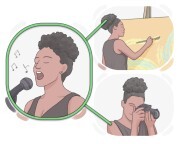
Ex: The team neglected to conduct thorough testing, and consequently, several critical errors emerged in the final product. 
Close
Sign in
however
however
[Adverb]

used to indicate contrast or contradiction

Close
Sign in
also
also
[Adverb]

used to add another item, fact, or action to what has already been mentioned

Ex: She teaches full-time and also runs her own business. 
Close
Sign in
alternatively

as a second choice or another possibility

Ex: If you prefer not to drive, you can alternatively take the train to the city. 
Close
Sign in
conversely
conversely
[Adverb]

in a way that is different from what has been mentioned
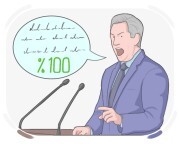
Ex: While the forecast predicted a sunny day, conversely, a sudden and unexpected storm rolled in. 
Close
Sign in
to assert
to assert
[Verb]

to clearly and confidently say that something is the case

Ex: In an interview last month, the athlete asserted that dedication and hard work will always lead to achieving fitness goals. 
Close
Sign in
to claim
to claim
[Verb]

to say that something is the case without providing proof for it

Ex: The controversial article regularly claims that a UFO sighting occurred last night. 
Close
Sign in
to demonstrate

to show clearly that something is true or exists by providing proof or evidence

Ex: The scientist demonstrated the effectiveness of the new drug through a series of experiments. 
Close
Sign in
to intend
to intend
[Verb]

to have something in mind as a plan or purpose

Ex: She intends to travel abroad next summer. 
Close
Sign in
firstly
firstly
[Adverb]

used to introduce the first fact, reason, step, etc.

Ex: Firstly, gather all the necessary materials before starting the experiment. 
Close
Sign in
secondly
secondly
[Adverb]

used to introduce the second point, reason, step, etc.

Ex: Firstly, gather the ingredients for the recipe. Secondly, preheat the oven to 350°F. 
Close
Sign in
finally
finally
[Adverb]

used to indicate that what follows is the conclusion or final aspect being considered

Ex: Finally, we need to discuss the timeline for project completion. 
Close
Sign in
to signpost

to clearly indicate or highlight the structure, direction, or development of a speech, argument, or presentation

Ex: The lecturer signposted the main points at the start of her talk. 
Close
Sign in
supplementary
supplementary
[Adjective]

provided to improve or enhance something that already exists

Ex: The teacher handed out supplementary worksheets to help students grasp the more challenging concepts. 
Close
Sign in
besides
besides
[Adverb]

used to add extra information or to introduce a reason that supports what was just said
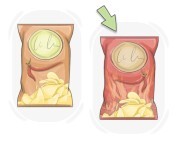
Ex: I don't want to go. Besides, I'm feeling tired. 
Close
Sign in
extra
extra
[Adverb]

to a degree or extent that is greater or more than usual

Ex: She worked extra diligently to complete the project ahead of schedule. 
Close
Sign in
whereas
whereas
[conjunction]

used to introduce a statement that is true for one thing and false for another

Ex: James is outgoing and talkative, whereas his brother is reserved and quiet. 
Close
Sign in
whilst
whilst
[conjunction]

during the time that something else is happening

Ex: She read a book whilst waiting for the train. 
Close
Sign in
on balance
on balance
[phrase]

after considering all relevant facts and taking every factor into account

Close
Sign in
(in|by) contrast
in contrast
[Adverb]

used to highlight the differences between two or more things or people

Ex: The old house had a charming, rustic feel, whereas the new one, in contrast, is sleek and modern. 
Close
Sign in
nevertheless
nevertheless
[Adverb]

used to introduce an opposing statement

Ex: The plan was risky; they proceeded nevertheless. 
Close
Sign in
to show
to show
[Verb]

to teach or explain to someone how something is done in a practical way
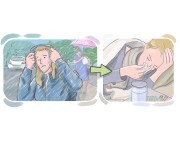
Ex: Can you show me how to tie a knot? 
Close
Sign in
as a result
as a result
[Adverb]

used to indicate the outcome of a preceding action or situation

Ex: He worked hard on his studies, and as a result, he achieved top grades in the class. 
Close
Sign in
LanGeek
Download LanGeek app
