pattern

Il libro Headway - Avanzato - L'ultima parola (Unità 1)

Qui troverai il vocabolario dell'unità 1 The Last Word del libro di corso Headway Advanced, come "hectic", "adoration", "fury", ecc.

Revisione

Flashcard

Ortografia

Quiz

Inizia a imparare
Headway - Advanced
hectic
hectic
[aggettivo]

extremely busy and chaotic

agitato

agitato

Ex: The last-minute changes made the event planning even more hectic than usual. 

I cambiamenti dell'ultimo minuto hanno reso la pianificazione dell'evento ancora più frenetica del solito.

Chiudi
Accedi
emotional
emotional
[aggettivo]

relating to feelings or emotions

emotivo

emotivo

Ex: Emotional intelligence helps in understanding others. 

L'intelligenza emotiva aiuta a comprendere gli altri.

Chiudi
Accedi
to [make] a fuss

to react with excessive or unnecessary attention or agitation about something

fare storie

fare storie

Ex: The dog made a fuss when its owner left the house, whining and barking until they returned. 
Chiudi
Accedi
gutted
gutted
[aggettivo]

experiencing great sadness, shock, or disappointment

coraggio

coraggio

Ex: She felt gutted after hearing that her favorite band canceled the concert. 

Si è sentita distrutta dopo aver saputo che la sua band preferita ha cancellato il concerto.

Chiudi
Accedi
to blow away

to impress someone greatly

impressionare molto qualcuno, stupire e affascinare qualcuno

impressionare molto qualcuno, stupire e affascinare qualcuno

Ex: The energetic performance of the band blew away the crowd. 

La performance energica della band ha sbalordito la folla.

Chiudi
Accedi
thrilled to bits

used to describe a person who is very excited and pleased

entusiasta di bits

entusiasta di bits

Ex: You could tell he was thrilled to bits by the huge smile on his face. 
Chiudi
Accedi
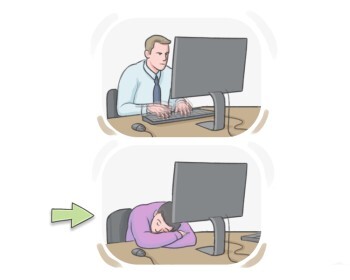
to get through to

to successfully communicate a message or idea to someone in a way that they understand or accept it

passare a

passare a

Ex: It took a lot of effort, but I finally got the new software system through to my team. 

Ci è voluto molto sforzo, ma alla fine sono riuscito a far passare il nuovo sistema software al mio team.
Chiudi
Accedi
couch potato
couch potato
[sostantivo]

someone who sits around and watches TV a lot

persona che passa molto tempo seduta a guardare la televisione, persona molto sedentaria e amante della TV

persona che passa molto tempo seduta a guardare la televisione, persona molto sedentaria e amante della TV

Ex: After dinner, Dad becomes a couch potato in front of the TV. 
Chiudi
Accedi
to get at
to get at
[Verbo]

to criticize or attack someone, usually in a subtle or indirect manner

attaccare sottilmente, criticare indirettamente

attaccare sottilmente, criticare indirettamente

Ex: He started to get at his opponent's weaknesses during the debate. 

Ha iniziato a colpire le debolezze del suo avversario durante il dibattito.

Chiudi
Accedi
adoration
adoration
[sostantivo]

the act of showing great love or admiration, usually through gestures or actions

adorazione

adorazione

Ex: His adoration for the sports team grew after they won the championship. 

La sua adorazione per la squadra sportiva è cresciuta dopo che hanno vinto il campionato.

Chiudi
Accedi
pride
pride
[sostantivo]

a sense of self-respect, dignity, or personal worth

orgoglio

orgoglio

Ex: Pride can motivate people to do their best. 
Chiudi
Accedi
curiosity
curiosity
[sostantivo]

a strong wish to learn something or to know more about something

curiosità

curiosità

Ex: The child's curiosity about how things worked often led to hours of experimentation and learning. 
Chiudi
Accedi
encouragement
encouragement
[sostantivo]

something that gives someone hope, confidence, or motivation

incoraggiamento

incoraggiamento

Ex: Winning the small competition gave Daniel encouragement to aim higher. 
Chiudi
Accedi
fury
fury
[sostantivo]

a feeling of extreme and often violent anger

furore

furore

Ex: After the argument, he was left alone, still seething with fury. 
Chiudi
Accedi
indignation
indignation
[sostantivo]

a feeling of anger or annoyance aroused by something unjust, unworthy, or mean

indignazione

indignazione

Ex: She felt a surge of indignation when she heard the unfair criticism. 

Provò un'ondata di indignazione quando sentì la critica ingiusta.

Chiudi
Accedi
irritation
irritation
[sostantivo]

a feeling of annoyance or discomfort caused by something that is bothersome or unpleasant

irritazione

irritazione

Ex: The persistent ringing of the phone caused great irritation during the meeting. 

Il suono persistente del telefono ha causato una grande irritazione durante la riunione.

Chiudi
Accedi
modesty
modesty
[sostantivo]

he quality of not being too proud or boastful about one's abilities or achievements, and not drawing too much attention to oneself

modestia

modestia

Ex: She handled the compliment with modesty, simply thanking them without making a big deal of it. 

Ha gestito il complimento con modestia, limitandosi a ringraziarli senza farne una questione importante.

Chiudi
Accedi
reassurance
reassurance
[sostantivo]

a comforting action or statement made to someone to ease their worries, uncertainties, or anxieties about something

rassicurazione

rassicurazione

Ex: They offered their reassurance that the delay would not affect the project's completion. 

Hanno offerto la loro rassicurazione che il ritardo non avrebbe influenzato il completamento del progetto.

Chiudi
Accedi
anxiety
anxiety
[sostantivo]

a feeling of nervousness or worry about a future event or uncertain outcome

ansia

ansia

Ex: The tight deadline caused a wave of anxiety to wash over him, making it hard to focus. 
Chiudi
Accedi
boastfulness
boastfulness
[sostantivo]

the act of bragging or expressing excessive pride or self-importance about oneself, one's achievements, possessions, or status

vanagloria

vanagloria

Ex: He displayed a great deal of boastfulness after his promotion, making others feel uncomfortable. 

Ha mostrato una grande vanagloria dopo la sua promozione, facendo sentire gli altri a disagio.

Chiudi
Accedi
disappointment
disappointment
[sostantivo]

the feeling of sadness or dissatisfaction caused by unmet hopes or expectations

delusione

delusione

Ex: The children reacted with disappointment when the trip was postponed. 
Chiudi
Accedi
fear
fear
[sostantivo]

a bad feeling that we get when we are afraid or worried

paura

paura

Ex: His fear of public speaking caused him to avoid presentations and speeches. 
Chiudi
Accedi
gratitude
gratitude
[sostantivo]

the quality of being thankful or showing appreciation for something

gratitudine

gratitudine

Ex: A simple "thank you" is an easy way to express gratitude. 

Un semplice « grazie » è un modo facile per esprimere gratitudine.

Chiudi
Accedi
sarcasm
sarcasm
[sostantivo]

the use of words that convey the opposite meaning as a way to annoy someone or for creating a humorous effect

sarcasmo

sarcasmo

Ex: The comedian’s sarcasm about everyday situations made his stand-up routine incredibly funny. 

Il sarcasmo del comico sulle situazioni quotidiane ha reso il suo spettacolo stand-up incredibilmente divertente.

Chiudi
Accedi
relief
relief
[sostantivo]

a feeling of comfort that comes when something annoying or upsetting is gone

sollievo

sollievo

Ex: She experienced great relief when the missing pet was found. 
Chiudi
Accedi
astonishment
astonishment
[sostantivo]

a strong feeling of surprise caused by something unexpected

sbalordimento

sbalordimento

Ex: The unexpected twist in the novel filled readers with astonishment and wonder. 

L'inaspettato colpo di scena del romanzo ha riempito i lettori di stupore e meraviglia.

Chiudi
Accedi
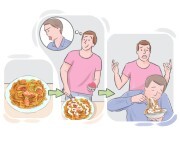
delight
delight
[sostantivo]

a feeling of great pleasure, happiness, or satisfaction

piacere
piacere

Ex: His face showed obvious delight at the news. 
Chiudi
Accedi
to pull the other (one|leg) (, it has got bells on|)

to show that one believes that someone is joking or lying

raccontala a qualcun altro, mi prendi in giro?

raccontala a qualcun altro, mi prendi in giro?

Ex: When Dad claimed he was a famous singer in college, Mom laughed and said, "Pull the other leg." 

Quando papà sostenne di essere stato un cantante famoso all'università, mamma rise e disse: «Mi prendi in giro?»

Chiudi
Accedi
to die
to die
[Verbo]

to have a strong longing or intense desire for something or someone

morire dalla voglia, desiderare ardentemente

morire dalla voglia, desiderare ardentemente

Ex: We're dying to hear about your latest adventure. 
Chiudi
Accedi
LanGeek
Scarica l'app LanGeek