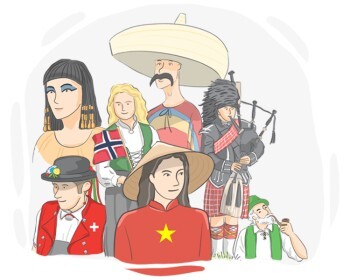
pattern

Il libro Headway - Avanzato - Unità 5

Qui troverai il vocabolario dell'Unità 5 del libro di corso Headway Advanced, come "stereotipo", "robustamente", "concessione", ecc.

Revisione

Flashcard

Ortografia

Quiz
Inizia a imparare
Headway - Advanced
nationality
nationality
[sostantivo]

the state of legally belonging to a country
nazionalità

nazionalità

Ex: Your nationality does not determine your abilities or character. 

La tua nazionalità non determina le tue capacità o il tuo carattere.

Chiudi
Accedi
stereotype
stereotype
[sostantivo]

a widely held but fixed and oversimplified image or idea of a particular type of person or thing

stereotipo

stereotipo

Ex: The ad challenged the stereotype that certain jobs are only for men. 

La pubblicità ha sfidato lo stereotipo che certi lavori siano solo per uomini.
Chiudi
Accedi
Britain
Britain
[sostantivo]

the island containing England, Scotland, and Wales

Bretagna
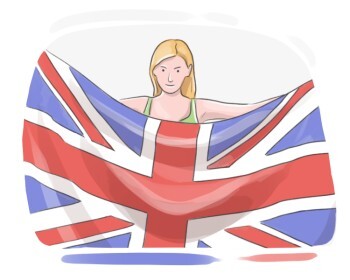
Bretagna

Ex: The Prime Minister of Britain addressed the nation on television last night. 
Chiudi
Accedi
British
British
[sostantivo]

a person from the United Kingdom

Britannico

Britannico

Ex: The British supported the international event with enthusiasm. 
Chiudi
Accedi
Briton
Briton
[sostantivo]

a person who is of British nationality, descent, or origin

Britannico

Britannico

Ex: A Briton living abroad often misses British tea and biscuits. 

Un britannico che vive all'estero spesso sente la mancanza del tè e dei biscotti britannici.

Chiudi
Accedi
Brit
Brit
[sostantivo]

someone from Britain, typically of British nationality or origin

britannico

britannico

Ex: The film, directed by a talented Brit, received critical acclaim. 
Chiudi
Accedi
English
English
[sostantivo]

the most common language in the world, originating in England but also the official language of America, Canada, Australia, etc.

inglese

inglese

Ex: Their school requires all students to study English. 
Chiudi
Accedi
Welsh
Welsh
[sostantivo]

a person from Wales or someone of Welsh descent

Gallese

Gallese

Ex: Many Welsh speak both English and Welsh fluently. 

Molti galles parlano fluentemente sia l'inglese che il gallese.

Chiudi
Accedi
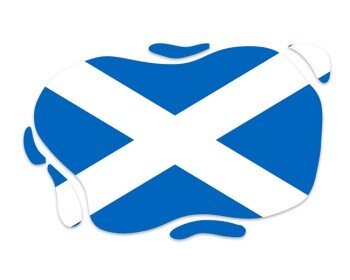
Gaelic
Gaelic
[sostantivo]

any of the Celtic languages spoken in Ireland, Scotland, or the Isle of Man

Gaelico

Gaelico

Ex: Learning Gaelic helped him better understand the history of his family’s homeland. 

Imparare il gaelico lo ha aiutato a comprendere meglio la storia della terra natale della sua famiglia.
Chiudi
Accedi
Scotland
Scotland
[sostantivo]

a European country in the northern United Kingdom

Scozia
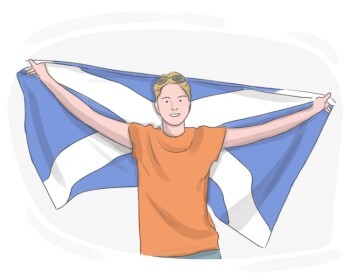
Scozia

Ex: Scotland has a unique legal system and education system, which distinguishes it from the rest of the United Kingdom. 
Chiudi
Accedi
Scottish
Scottish
[aggettivo]

belonging or relating to Scotland, its people, or the Gaelic language

Scozzese

Scozzese

Ex: The poet Robert Burns is a celebrated figure in Scottish literature. 
Chiudi
Accedi
Scot
Scot
[sostantivo]

someone who is from Scotland

scozzese

scozzese

Ex: He met a friendly Scot while hiking in the Highlands. 

Ha incontrato un scozzese amichevole mentre faceva escursione nelle Highlands.

Chiudi
Accedi
Scottish
Scottish
[sostantivo]

a variety of English language spoken in Scotland

Scozzese

Scozzese

Ex: The film captured the essence of the Highlands with characters speaking in rich Scottish. 
Chiudi
Accedi
Scottish Gaelic
Scottish Gaelic
[sostantivo]

a Celtic language spoken in Scotland, primarily in the Scottish Highlands

Gaelico scozzese

Gaelico scozzese

Ex: The TV channel broadcasts programs entirely in Scottish Gaelic to promote the language. 

Il canale televisivo trasmette programmi interamente in gaelico scozzese per promuovere la lingua.

Chiudi
Accedi
Switzerland
Switzerland
[sostantivo]

a country in Western Central Europe, south of Germany

Svizzera
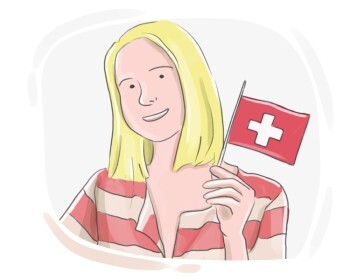
Svizzera

Ex: Today I learned at school that the capital of Switzerland is Bern. 
Chiudi
Accedi
Swiss
Swiss
[sostantivo]

a person who comes from Switzerland

Svizzero

Svizzero

Ex: The team included two Swiss and three Germans. 
Chiudi
Accedi
French
French
[sostantivo]

the main language of France that is also spoken in parts of other countries such as Canada, Switzerland, Belgium, etc.

francese

francese

Ex: While on vacation in Montreal, she realized the locals primarily spoke French. 
Chiudi
Accedi
German
German
[sostantivo]

the main language in Germany, Austria and parts of Switzerland

tedesco

tedesco

Ex: She is learning German to communicate with her relatives in Austria. 
Chiudi
Accedi
Romansh
Romansh
[sostantivo]

one of the four official languages of Switzerland, along with German, French, and Italian

Romancio

Romancio

Ex: A bilingual guide translated the tour into both German and Romansh. 

Una guida bilingue ha tradotto il tour sia in tedesco che in romancio.

Chiudi
Accedi
the Netherlands
the Netherlands
[sostantivo]

a country in the North Western Europe, informally known as Holland

Paesi Bassi

Paesi Bassi

Ex: Windmills are a common sight in the countryside of the Netherlands. 

I mulini a vento sono una vista comune nelle campagne dei Paesi Bassi.

Chiudi
Accedi
Dutch
Dutch
[sostantivo]

the language spoken mainly in the Netherlands and also in parts of Belgium

olandese

olandese

Ex: She watches television programs in Dutch to improve her language skills. 
Chiudi
Accedi
the Dutch
the Dutch
[sostantivo]

the people of the Netherlands considered collectively

Olandese

Olandese

Ex: She spent several years studying the culture of the Dutch. 
Chiudi
Accedi
Dutchman
Dutchman
[sostantivo]

an individual who is from the Netherlands or of Dutch nationality or descent

olandese

olandese

Ex: She met a friendly Dutchman during her trip to Amsterdam who gave her great travel tips. 

Ha incontrato un olandese amichevole durante il suo viaggio ad Amsterdam che le ha dato ottimi consigli di viaggio.

Chiudi
Accedi
Dutch
Dutch
[aggettivo]

relating to the Netherlands, its people, or their language

olandese

olandese

Ex: The book discusses Dutch culture and society. 
Chiudi
Accedi
Belgium
Belgium
[sostantivo]

a country in Western Europe bordered by Germany, France, and Luxembourg

Belgio
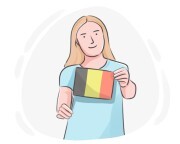
Belgio

Ex: The annual flower carpet event in Brussels attracts thousands of visitors to Belgium every summer. 
Chiudi
Accedi
Belgian
Belgian
[aggettivo]

referring to something or someone from or related to Belgium

Belga

Belga

Ex: The museum displayed works by famous Belgian painters. 

Il museo ha esposto opere di famosi pittori belgi.
Chiudi
Accedi
Sweden
Sweden
[sostantivo]

a country in Northern Europe on the Scandinavian Peninsula

Svezia
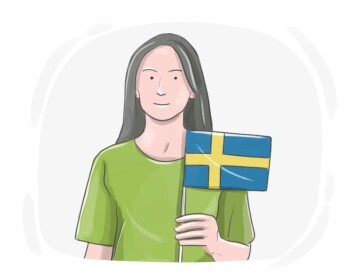
Svezia

Ex: Many visitors travel to Sweden for its cities, forests, and lakes. 
Chiudi
Accedi
Swedish
Swedish
[aggettivo]

belonging or relating to Sweden, its people, and language

svedese

svedese

Ex: Volvo is a well-known Swedish car manufacturer. 

Volvo è un noto produttore di automobili svedese.

Chiudi
Accedi
Swede
Swede
[sostantivo]

someone who is from Sweden or of Swedish origin

Svezia

Svezia

Ex: The Swede explained the customs of a traditional Swedish wedding. 

Lo svedese ha spiegato i costumi di un tradizionale matrimonio svedese.

Chiudi
Accedi
Swedish
Swedish
[sostantivo]

a North Germanic language spoken primarily in Sweden

Svedese
Svedese

Ex: The children sang a traditional song in Swedish during the festival. 
Chiudi
Accedi
Denmark
Denmark
[sostantivo]

a country in Northern Europe in the Scandinavia

Danimarca

Danimarca

Ex: Denmark consistently ranks high in global happiness and quality of life indexes. 
Chiudi
Accedi
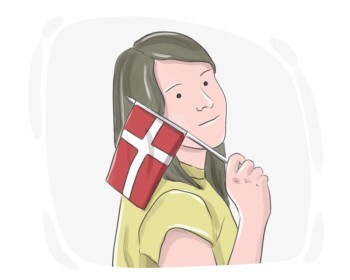
Danish
Danish
[sostantivo]

the official language of Denmark, spoken by the majority of the population

danese

danese

Ex: Learning Danish helped him communicate with locals during his stay in Denmark. 

Imparare il danese lo ha aiutato a comunicare con la gente del posto durante il suo soggiorno in Danimarca.
Chiudi
Accedi
Dane
Dane
[sostantivo]

someone from Denmark or of Danish descent

Danese

Danese

Ex: I met a Dane during my travels who taught me how to properly pronounce certain words in Danish. 

Ho incontrato un danese durante i miei viaggi che mi ha insegnato a pronunciare correttamente alcune parole in danese.

Chiudi
Accedi
Danish
Danish
[aggettivo]

belonging or relating to Denmark, its people, and language

danese

danese

Ex: The Danish flag, known as the Dannebrog, is the oldest national flag in the world. 

La bandiera danese, conosciuta come il Dannebrog, è la bandiera nazionale più antica del mondo.

Chiudi
Accedi
Poland
Poland
[sostantivo]

a country in the Central Europe near the Baltic Sea

Polonia

Polonia

Ex: Poland shares borders with seven countries. 
Chiudi
Accedi
Polish
Polish
[sostantivo]

the West Slavic language spoken mainly in Poland

polacco
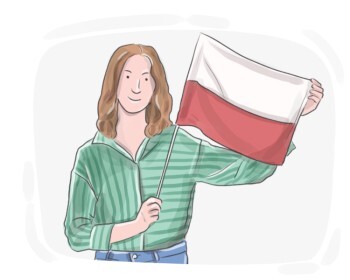
polacco

Ex: Polish is spoken by millions of people worldwide. 
Chiudi
Accedi
Pole
Pole
[sostantivo]

a person from Poland

Polacco

Polacco

Ex: She was the first Pole to win the competition. 
Chiudi
Accedi
polish
polish
[aggettivo]

relating to Poland, its people, language, culture, or products

polacco
polacco

Ex: She bought a book about Polish culture. 
Chiudi
Accedi
Finland
Finland
[sostantivo]

a country in Northern Europe bordered by Norway, Sweden, and Russia

Finlandia

Finlandia

Ex: Finland is part of the European Union and uses the euro as its currency. 

La Finlandia fa parte dell'Unione Europea e utilizza l'euro come valuta.

Chiudi
Accedi
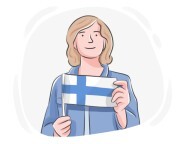
Finnish
Finnish
[sostantivo]

one of Finland's official languages

finlandese

finlandese

Ex: The novel was originally written in Finnish and later won an international award. 

Il romanzo è stato originariamente scritto in finlandese e in seguito ha vinto un premio internazionale.
Chiudi
Accedi
Finn
Finn
[sostantivo]

a person from Finland or of Finnish descent

finlandesi

finlandesi

Chiudi
Accedi
Finnish
Finnish
[aggettivo]

referring to something or someone related to Finland

finlandesi

finlandesi

Ex: They celebrated Midsummer with traditional Finnish customs. 

Hanno celebrato il Midsummer con le tradizionali usanze finlandesi.
Chiudi
Accedi
Iceland
Iceland
[sostantivo]

an island country in the North Atlantic, known for its dramatic volcanic landscapes, glaciers, and geothermal activity

Islanda

Islanda

Ex: In Iceland, midnight sun makes summer nights seem endless. 

In Islanda, il sole di mezzanotte rende le notti estive apparentemente infinite.
Chiudi
Accedi
Icelander
Icelander
[sostantivo]

a person from Iceland, a Nordic island country in the North Atlantic Ocean

Islandese

Islandese

Ex: It was surprising to find that even as an Icelander, he had never visited the Blue Lagoon. 

È stato sorprendente scoprire che, nonostante fosse un islandese, non aveva mai visitato la Blue Lagoon.

Chiudi
Accedi
Icelandic
Icelandic
[aggettivo]

referring to something or someone from or related to Iceland

Islandese

Islandese

Ex: Icelandic design is known for its minimalism and functionality. 

Il design islandese è noto per il suo minimalismo e funzionalità.
Chiudi
Accedi
Spain
Spain
[sostantivo]

a country in southwest Europe

Spagna

Spagna

Ex: Spanish is the official language of Spain. 
Chiudi
Accedi
Spanish
Spanish
[sostantivo]

the main language of Spain and many Southern or Central American countries

spagnolo
spagnolo

Ex: Spanish is spoken by over 460 million people as a first language. 
Chiudi
Accedi
Spanish
Spanish
[aggettivo]

relating to Spain or its people or language

spagnolo
spagnolo

Ex: Spanish art, such as the works of Pablo Picasso and Salvador Dalí, is renowned worldwide. 
Chiudi
Accedi
Turkey
Turkey
[sostantivo]

a country mainly in Western Asia, with a smaller part in southeastern Europe

Turchia
Turchia

Ex: Turkey shares borders with several countries. 
Chiudi
Accedi
Turkish
Turkish
[aggettivo]

relating to Turkey, its people, culture, or language

Turco

Turco

Ex: Emily bought a handmade Turkish carpet during her trip. 
Chiudi
Accedi
Turkish
Turkish
[sostantivo]

the main language spoken in Turkey

turco

turco

Ex: The guide translated the instructions from Turkish into English. 
Chiudi
Accedi
Turk
Turk
[sostantivo]

someone who is from Turkey or their family came from Turkey

Turco

Turco

Ex: The Turk language, Turkish, is widely spoken in Turkey and has several dialects across different regions. 

La lingua turca, il turco, è ampiamente parlata in Turchia e ha diversi dialetti in diverse regioni.

Chiudi
Accedi
New Zealand
New Zealand
[sostantivo]

a sovereign island country located in the southwestern Pacific Ocean, known for its stunning landscapes and diverse Maori and European cultures

neozelandese

neozelandese

Ex: Many films, including The Lord of the Rings, were filmed in New Zealand. 

Molti film, tra cui Il Signore degli Anelli, sono stati girati in Nuova Zelanda.

Chiudi
Accedi
New Zealander
New Zealander
[aggettivo]

referring to something or someone that is of or related to New Zealand

Neozelandese

Neozelandese

Ex: New Zealander traditions include celebrating the Waitangi Day, which marks the signing of the treaty. 

Le tradizioni neozelandesi includono la celebrazione del Waitangi Day, che segna la firma del trattato.

Chiudi
Accedi
Maori
Maori
[sostantivo]

an eastern Polynesian language spoken by the Maori people of New Zealand

maori

maori

Ex: Maori can be heard in traditional chants and songs, which are an integral part of New Zealand's cultural heritage. 

Il maori può essere ascoltato nei canti e nelle canzoni tradizionali, che sono parte integrante del patrimonio culturale della Nuova Zelanda.
Chiudi
Accedi
Afghanistan
Afghanistan
[sostantivo]

a country in Central Asia between Iran and Pakistan

Afghanistan

Afghanistan

Ex: The traditional food of Afghanistan is very delicious. 

Il cibo tradizionale dell'Afghanistan è molto delizioso.
Chiudi
Accedi
Afghanistani
Afghanistani
[sostantivo]

a person from Afghanistan or of Afghan descent

Afghanistan

Afghanistan

Ex: At the event, an Afghanistani provided a traditional dance performance. 

All'evento, un afgano ha eseguito una performance di danza tradizionale.
Chiudi
Accedi
Afghan
Afghan
[sostantivo]

someone who is a native or citizen of Afghanistan

Afghano

Afghano

Chiudi
Accedi
Pashto
Pashto
[sostantivo]

one of the Afghanistan's official languages, which is also the second most-used language in Pakistan

Pasto

Pasto

Ex: The book was written in Pashto, making it more accessible to local readers. 

Il libro è stato scritto in pashto, rendendolo più accessibile ai lettori locali.

Chiudi
Accedi
Dari
Dari
[sostantivo]

a dialect of the Persian language that is primarily spoken in Afghanistan

Dari

Dari

Ex: Although Dari and Pashto are both spoken in Afghanistan, they are distinct languages. 

Sebbene il dari e il pashtu siano entrambi parlati in Afghanistan, sono lingue distinte.
Chiudi
Accedi
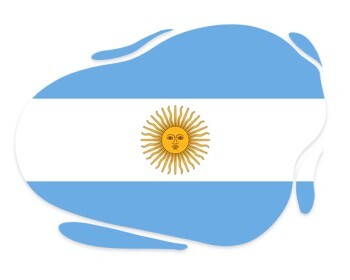
Argentina
Argentina
[sostantivo]

a country in southern South America, bordered by Chile, Bolivia, Paraguay, Brazil, Uruguay, and the South Atlantic Ocean

argentina

argentina

Ex: Argentina is one of the largest countries in South America. 
Chiudi
Accedi
Argentine
Argentine
[aggettivo]

relating to Argentina or its people

Argentino

Argentino

Ex: Argentine wines, especially Malbec, are popular worldwide. 

I vini argentini, in particolare il Malbec, sono popolari in tutto il mondo.

Chiudi
Accedi
Argentinian
Argentinian
[aggettivo]

relating to the country, people, culture, or language of Argentina

argentino

argentino

Ex: The Argentinian landscape is incredibly diverse, featuring everything from the Andes mountains to the beautiful beaches along the Atlantic coast. 

Il paesaggio argentino è incredibilmente diversificato, presentando tutto, dalle montagne delle Ande alle bellissime spiagge lungo la costa atlantica.
Chiudi
Accedi
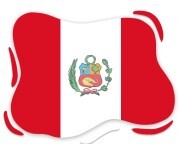
Peru
Peru
[sostantivo]

a country in western South America

Perù

Perù

Ex: Peru is famous for Machu Picchu, one of the New Seven Wonders of the World. 

Il Perù è famoso per Machu Picchu, una delle sette nuove meraviglie del mondo.

Chiudi
Accedi
Peruvian
Peruvian
[aggettivo]

referring to anything or anyone that is related to or originates from Peru

Peruviano

Peruviano

Ex: Many famous Peruvian musicians play traditional instruments like the charango and pan flute. 

Molti famosi musicisti peruviani suonano strumenti tradizionali come il charango e il flauto di pan.

Chiudi
Accedi
Aymara
Aymara
[sostantivo]

a language spoken by the Aymara people, primarily in the Andes region of South America, particularly in Bolivia, Peru, and Chile

Aymara

Aymara

Ex: Aymara is a language that reflects the culture and history of its speakers. 

Aymara è una lingua che riflette la cultura e la storia dei suoi parlanti.

Chiudi
Accedi
Quechua
Quechua
[sostantivo]

a family of indigenous languages spoken primarily in the Andes region of South America, especially in Peru, Ecuador, Bolivia, and Colombia, and the language of the ancient Inca Empire

quechua

quechua

Ex: Quechua is often spoken during festivals and ceremonies to maintain cultural traditions. 

Il quechua viene spesso parlato durante festival e cerimonie per mantenere le tradizioni culturali.

Chiudi
Accedi
to bombard
to bombard
[Verbo]

to continuously expose someone to something, such as information, questions, or criticisms

bombardare

bombardare

Ex: The marketing team decided to bombard the target audience with advertisements to increase brand awareness. 

Il team di marketing ha deciso di bombardare il pubblico target con pubblicità per aumentare la consapevolezza del brand.
Chiudi
Accedi
to venture
to venture
[Verbo]

to undertake a risky or daring journey or course of action

avventurarsi

avventurarsi

Ex: They ventured deep into the mountains, hoping to find a hidden treasure. 
Chiudi
Accedi
to pinpoint

to precisely locate or identify something or someone

individuare

individuare

Ex: They couldn't pinpoint the exact time the event occurred. 

Non sono riusciti a identificare con precisione l'ora in cui si è verificato l'evento.

Chiudi
Accedi
to stalk
to stalk
[Verbo]

to follow, watch, or pursue someone persistently and often secretly, causing them fear or discomfort

inseguire

inseguire

Ex: The thriller novel depicted a chilling story of an obsessed individual who would stalk their victims relentlessly. 

Il romanzo thriller raffigurava una storia agghiacciante di un individuo ossessionato che perseguitava senza sosta le sue vittime.

Chiudi
Accedi
to renounce

to reject or disown something previously accepted or claimed, often in a formal or public manner

rinunciare

rinunciare

Ex: After the scandal, she renounced her association with the company. 

Dopo lo scandalo, ha rinunciato alla sua associazione con l'azienda.

Chiudi
Accedi
kin
kin
[sostantivo]

a person's family and relatives

famiglia

famiglia

Ex: I haven’t seen my kin in years, but we still keep in touch. 

Non vedo i miei parenti da anni, ma siamo ancora in contatto.

Chiudi
Accedi
concession
concession
[sostantivo]

a right or arrangement allowing someone to sell goods or operate a business in a particular place

concessione

concessione

Ex: The museum's café is operated under a concession granted to a private company. 
Chiudi
Accedi
gambit
gambit
[sostantivo]

a strategic action or remark that is used to gain an advantage, particularly in the early stages of a situation, game, conversation, etc.

gambit

gambit

Ex: The detective's gambit to mislead the suspect paid off during the investigation. 

Il gambit del detective per fuorviare il sospettato ha funzionato durante l'indagine.

Chiudi
Accedi
frisson
frisson
[sostantivo]

a sudden, intense, and pleasurable feeling of excitement, shiver, fear, or thrill, often accompanied by a tingling sensation on the skin

chill

chill

Ex: The horror movie induced a frisson of terror in the audience. 

Il film horror ha indotto un brivido di terrore nel pubblico.

Chiudi
Accedi
stature
stature
[sostantivo]

the height of a person or animal when standing upright

statura

statura

Ex: He had a tall stature, which made him stand out in the crowd. 

Aveva una statura alta, che lo faceva spiccare nella folla.

Chiudi
Accedi
(stomping|stamping) ground

a familiar place or location, particularly one where someone often goes to or spends time in

posto abituale, luogo familiare

posto abituale, luogo familiare

Ex: That park became our stomping ground during the summer. 

Quel parco è diventato il nostro posto abituale durante l'estate.

Chiudi
Accedi
accurately
accurately
[avverbio]

in a way that has no errors or mistakes

in modo accurato

in modo accurato

Ex: The weather forecast predicted the temperature accurately for the week. 

Le previsioni del tempo hanno previsto la temperatura accuratamente per la settimana.

Chiudi
Accedi
robustly
robustly
[avverbio]

in a tough, solid, and durable way

robusto

robusto

Ex: Their tools were robustly manufactured for industrial use. 

I loro strumenti erano robustamente fabbricati per uso industriale.
Chiudi
Accedi
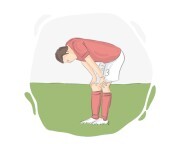
jaded
jaded
[aggettivo]

worn out or tired, especially after excessive work or activity

stanco

stanco

Ex: The jaded expressions on their faces showed they had lost interest in the discussion. 

Le espressioni stanche sui loro volti mostravano che avevano perso interesse nella discussione.

Chiudi
Accedi
encroaching
encroaching
[aggettivo]

gradually and subtly intruding upon or taking over something else, often to the point of causing harm or damage

invadere

invadere

Ex: He noticed the encroaching weeds taking over his garden. 

Notò le erbacce invadenti che prendevano il controllo del suo giardino.
Chiudi
Accedi
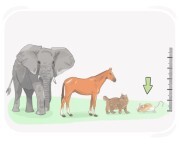
diminutive
diminutive
[aggettivo]

much smaller than what is normal

diminutivo

diminutivo

Ex: They served diminutive cupcakes at the tea party, each one decorated with intricate frosting designs. 

Hanno servito cupcake minuscoli al tè pomeridiano, ognuno decorato con intricati disegni di glassa.

Chiudi
Accedi
LanGeek
Scarica l'app LanGeek