
Kniha Headway - Pokročilý - Poslední Slovo (Jednotka 1)
Zde najdete slovní zásobu z The Last Word Unit 1 v učebnici Headway Advanced, jako je "hectic", "adoration", "fury" atd.
Revize
Kartičky
Pravopis
Kvíz


extremely busy and chaotic

hektický, chaotický
Změny na poslední chvíli udělaly plánování akce ještě hektičtější než obvykle.
relating to feelings or emotions
emocionální, citový
Emoční inteligence pomáhá v porozumění druhým.
![to [make] a fuss](https://cdn.langeek.co/photo/42602/thumb/350?type=jpeg "to [make] a fuss")
to react with excessive or unnecessary attention or agitation about something
experiencing great sadness, shock, or disappointment
zdrcený, zklamaný
Cítila se zničená, když slyšela, že její oblíbená kapela zrušila koncert.
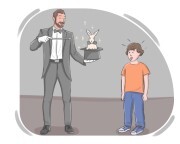
to impress someone greatly
někoho velmi ohromit, někoho ohromit a nadchnout
Kouzelnické triky ohromily publikum na představení.
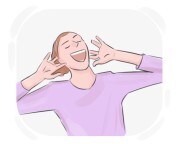
used to describe a person who is very excited and pleased
to successfully communicate a message or idea to someone in a way that they understand or accept it
předat zprávu, uspět v komunikaci s
Starý přítel by mohl k ní proniknout a pomoci jí.
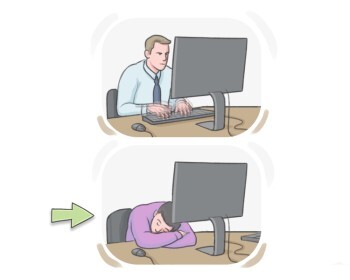
someone who sits around and watches TV a lot
člověk který pořád sedí a sleduje televizi, velmi líný televizní povaleč
to criticize or attack someone, usually in a subtle or indirect manner
kritizovat, nepřímo útočit
Během debaty začal útočit na slabiny svého protivníka.
the act of showing great love or admiration, usually through gestures or actions
uctívání
Jeho uctívání sportovního týmu vzrostlo poté, co vyhráli mistrovství.
a sense of self-respect, dignity, or personal worth
hrdost, důstojnost
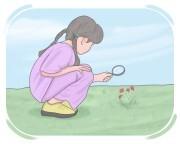
a strong wish to learn something or to know more about something
zvědavost
something that gives someone hope, confidence, or motivation
povzbuzení, podpora
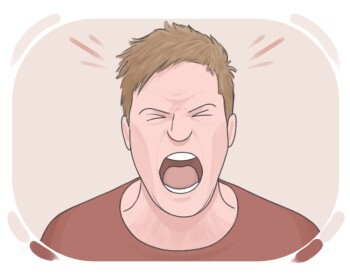
a feeling of extreme and often violent anger
zuřivost, hněv
a feeling of anger or annoyance aroused by something unjust, unworthy, or mean
rozhořčení, hněv
Cítila vlnu rozhořčení, když slyšela nespravedlivou kritiku.
a feeling of annoyance or discomfort caused by something that is bothersome or unpleasant
podrážděnost, nepříjemnost
Neustálé zvonění telefonu způsobilo během schůzky velké podráždění.
he quality of not being too proud or boastful about one's abilities or achievements, and not drawing too much attention to oneself
skromnost
Zvládla kompliment s skromností, prostě jim poděkovala, aniž by z toho udělala velkou věc.
a comforting action or statement made to someone to ease their worries, uncertainties, or anxieties about something
útěcha, ujištění
Nabídli své ujistění, že zpoždění neovlivní dokončení projektu.

a feeling of nervousness or worry about a future event or uncertain outcome
úzkost, obava

the act of bragging or expressing excessive pride or self-importance about oneself, one's achievements, possessions, or status
chlubivost, vychloubání
Po povýšení projevil velkou chlubivost, což způsobilo, že se ostatní cítili nepříjemně.
the feeling of sadness or dissatisfaction caused by unmet hopes or expectations
zklamání, rozčarování
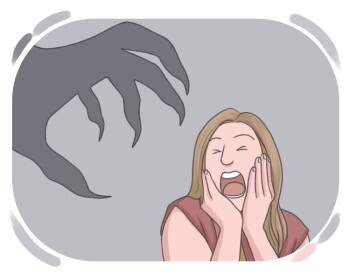
a bad feeling that we get when we are afraid or worried
strach, obava

the quality of being thankful or showing appreciation for something
vděčnost, uznání
Jednoduché « děkuji » je snadný způsob, jak vyjádřit vděčnost.
the use of words that convey the opposite meaning as a way to annoy someone or for creating a humorous effect
sarkasmus, ironie
Sarkasmus komika o každodenních situacích učinil jeho stand-up rutinu neuvěřitelně vtipnou.

a feeling of comfort that comes when something annoying or upsetting is gone
úleva, útěcha

a strong feeling of surprise caused by something unexpected
údiv, překvapení
Její tvář vyjadřovala čisté úžas, když uslyšela zprávu o svém povýšení.

a feeling of great pleasure, happiness, or satisfaction
potěšení
to show that one believes that someone is joking or lying
to povídej někomu jinému, tomu mám jako věřit?
Když táta tvrdil, že byl na vysoké slavný zpěvák, máma se zasmála a řekla: "Tomu mám jako věřit?"
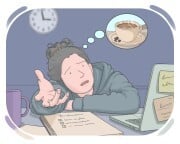
to have a strong longing or intense desire for something or someone
umírat touhou, prahnout
