

Il libro Face2face - Intermedio - Unità 9 - 9D

Qui troverai il vocabolario dell'Unità 9 - 9D nel libro di corso Face2Face Intermediate, come "naso che cola", "eruzione cutanea", "antibiotico", ecc.

review-disable

Revisione

flashcard-disable

Flashcard

spelling-disable

Ortografia

quiz-disable

Quiz

Inizia a imparare
Il libro Face2face - Intermedio
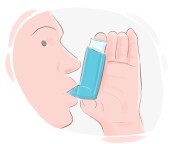
asthma [sostantivo]

a disease that causes shortness of breath and difficulty in breathing

اجرا کردن

asma

Ex: Asthma is a chronic lung disease characterized by inflammation and narrowing of the airways.

L'asma è una malattia polmonare cronica caratterizzata da infiammazione e restringimento delle vie aeree.
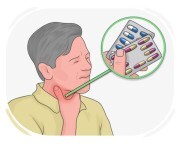
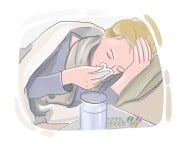
antibiotic [sostantivo]

a drug that is used to destroy bacteria or stop their growth, like Penicillin

اجرا کردن

antibiotic

runny nose [sostantivo]

a condition in which the nose produces an excessive amount of fluid or mucus, often as a result of a cold or allergy

اجرا کردن

naso che cola

Ex: She stayed home because of her runny nose and sore throat .

È rimasta a casa a causa del suo naso che cola e del mal di gola.

blocked-up nose [sostantivo]

a condition in which a person's nostrils are full and they have difficulty breathing through their nose

اجرا کردن

naso chiuso

Ex: She had a blocked-up nose from her cold and could n’t sleep well .

Aveva il naso chiuso per il raffreddore e non riusciva a dormire bene.

allergy [sostantivo]

a medical condition in which one's body severely reacts to a specific substance if it is inhaled, touched, or ingested

اجرا کردن

allergia

Ex: Her peanut allergy is so severe that even a small amount can trigger a serious reaction .

La sua allergia alle arachidi è così grave che anche una piccola quantità può scatenare una reazione seria.

wheezy [aggettivo]

describing a breath or sound that is difficult and often whistling, commonly due to a respiratory condition such as asthma or a cold

اجرا کردن

sibilante

Ex: His wheezy breathing was a sign of his asthma flaring up.

Il suo respiro sibilante era un segno che il suo asma si stava aggravando.

penicillin [sostantivo]

any of variation of antibiotics obtained from Penicillium moulds and used to treat or prevent a wide range of bacterial infections

اجرا کردن

penicillina

Ex: Penicillin is commonly prescribed for bacterial infections.

La penicillina è comunemente prescritta per le infezioni batteriche.

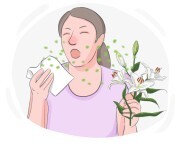
hay fever [sostantivo]

an illness that causes a runny nose and watery eyes, caused by dust from plants that come into the body through the air

اجرا کردن

febbre da fieno

Ex: Hay fever , also known as allergic rhinitis , is an allergic reaction to pollen or other airborne allergens .

La febbre da fieno, nota anche come rinite allergica, è una reazione allergica al polline o ad altri allergeni trasportati dall'aria.

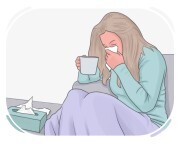
flu [sostantivo]

an infectious disease similar to a bad cold, causing fever and severe pain

اجرا کردن

influenzano

Ex: After catching the flu , he realized the importance of getting vaccinated .

Dopo aver preso l'influenza, ha capito l'importanza di vaccinarsi.

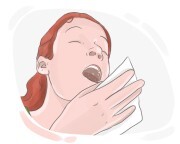
to sneeze [Verbo]

to blow air out of our nose and mouth in a sudden way

اجرا کردن

starnutire

Ex: Do n't forget to cover your mouth when you sneeze .

Non dimenticare di coprirti la bocca quando starnutisci.

migraine [sostantivo]

a severe recurring type of headache, particularly affecting one side of the head, and often causing visual disturbances and nausea

اجرا کردن

emicrania

Ex: She had to lie down in a dark room because of her migraine .

Ha dovuto sdraiarsi in una stanza buia a causa della sua emicrania.

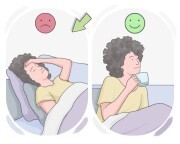
sick [aggettivo]

not in a good and healthy physical or mental state

اجرا کردن

malato

Ex: I think the milk was bad ; it made me sick .

Penso che il latte fosse andato a male; mi ha fatto ammalare.

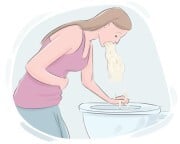
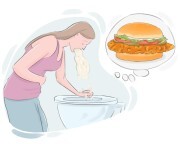
to expel the contents of the stomach through the mouth

اجرا کردن

vomitare

Ex: The bumpy car ride made the motion-sick passenger throw up .

Il viaggio in auto sconnesso ha fatto vomitare il passeggero che soffre di mal d'auto.

infection [sostantivo]

a condition in which harmful germs, such as bacteria or viruses, invade the body and cause harm, leading to symptoms such as fever, pain, and swelling

اجرا کردن

infezione

Ex: He was diagnosed with a bacterial infection in his lungs .

Gli è stata diagnosticata un'infezione batterica nei polmoni.

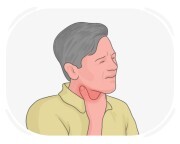
sore throat [sostantivo]

a condition when you feel pain in the throat, usually caused by bacteria or viruses

اجرا کردن

mal di gola

Ex: A sore throat is often the first sign of a cold .

Un mal di gola è spesso il primo segno di un raffreddore.

painkiller [sostantivo]

a type of medicine that is used to reduce or relieve pain

اجرا کردن

antidolorifico

Ex: She took a painkiller to help manage her headache after a long day at work .

Ha preso un antidolorifico per aiutare a gestire il mal di testa dopo una lunga giornata di lavoro.

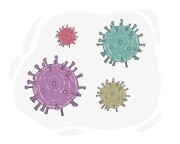
virus [sostantivo]

a microscopic agent that causes disease in people, animals, and plants

اجرا کردن

virus

Ex: A virus entered his body and made him sick .

Un virus è entrato nel suo corpo e lo ha fatto ammalare.

paracetamol [sostantivo]

a synthetic compound, usually in the form of tablet, used to treat or reduce fever and pain

اجرا کردن

paracetamolo

Ex: I took some paracetamol to relieve my headache .

Ho preso del paracetamolo per alleviare il mal di testa.

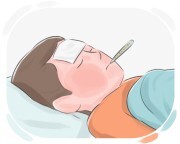
temperature [sostantivo]

a condition characterized by a body temperature above the normal range, often indicating an immune response to infection or illness within the body

اجرا کردن

temperatura

Ex: A high temperature is often one of the first signs that the body is fighting off an infection.

Una temperatura alta è spesso uno dei primi segni che il corpo sta combattendo un'infezione.

food poisoning [sostantivo]

an illness resulting from the consumption of food or water contaminated with bacteria

اجرا کردن

intossicazione alimentare

Ex: Food poisoning can occur after consuming contaminated or undercooked food , leading to symptoms like nausea and diarrhea .

L'intossicazione alimentare può verificarsi dopo aver consumato cibi contaminati o poco cotti, portando a sintomi come nausea e diarrea.

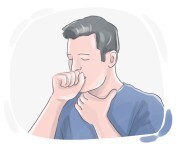
to cough [Verbo]

to push air out of our mouth with a sudden noise

اجرا کردن

tossire

Ex: Do n't cough into your hand ; it 's better to use a tissue .

Non tossire nella mano; è meglio usare un fazzoletto.

cold [sostantivo]

a mild disease that we usually get when viruses affect our body and make us cough, sneeze, or have fever

اجرا کردن

freddo

Ex: During winter , many people catch a cold .

Durante l'inverno, molte persone prendono un raffreddore.

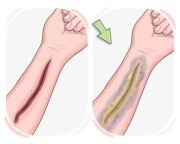
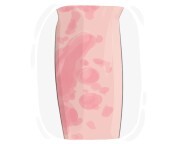
rash [sostantivo]

a part of one's skin covered with red spots, which is usually caused by a sickness or an allergic reaction

اجرا کردن

eruzione cutanea

Ex: A rash is a change in the skin 's appearance , often characterized by redness , bumps , or blisters .

Un eruzione cutanea è un cambiamento nell'aspetto della pelle, spesso caratterizzato da arrossamento, protuberanze o vesciche.

diarrhea [sostantivo]

a medical condition in which body waste turns to liquid and comes out frequently

اجرا کردن

diarrea

Ex: Diarrhea is characterized by loose, watery stools occurring frequently throughout the day.

La diarrea è caratterizzata da feci molli e acquose che si verificano frequentemente durante il giorno.

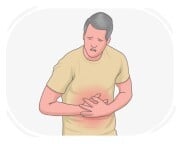
stomachache [sostantivo]

a pain in or near someone's stomach

اجرا کردن

mal di stomaco

Ex: Drinking too much coffee gives me a stomachache .

Bere troppo caffè mi provoca mal di stomaco.

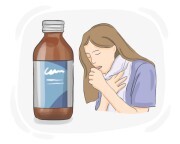
cough medicine [sostantivo]

a‌ medicine, often in a form of liquid, that one takes to relieve coughing

اجرا کردن

medicina per la tosse

Ex: He took cough medicine to soothe his throat .

Ha preso lo sciroppo per la tosse per lenire la gola.