
Książka Face2face - Średnio zaawansowany - Jednostka 9 - 9D
Tutaj znajdziesz słownictwo z Unitu 9 - 9D w podręczniku Face2Face Intermediate, takie jak "katar", "wysypka", "antybiotyk" itp.
Przegląd
Fiszki
Pisownia
Test

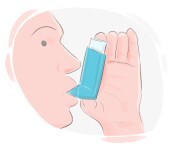
a disease that causes shortness of breath and difficulty in breathing

astma, choroba układu oddechowego
Leczenie astmy często obejmuje inhalatory, które dostarczają leki w celu otwarcia dróg oddechowych i zmniejszenia stanu zapalnego.
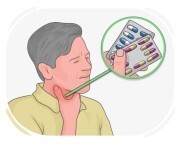
a medicine that kills or stops the growth of bacteria
antybiotyk, lek przeciwbakteryjny
Nadużywanie antybiotyków może powodować oporność.
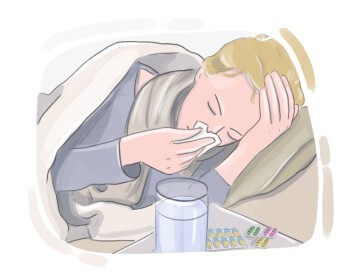
a condition in which the nose produces an excessive amount of fluid or mucus, often as a result of a cold or allergy
katar, wyciek z nosa
Katar często towarzyszy sezonowym alergiom.

a condition in which a person's nostrils are full and they have difficulty breathing through their nose
zatkany nos, zablokowany nos
Kichał bez przerwy z powodu zatkanego nosa.
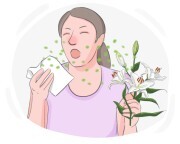
a medical condition in which one's body severely reacts to a specific substance if it is inhaled, touched, or ingested
alergia
Alergia dziecka na pyłki powoduje, że każdej wiosny ma ono silne objawy kataru siennego.
describing a breath or sound that is difficult and often whistling, commonly due to a respiratory condition such as asthma or a cold
świszczący, oddechowy
Brzmiała sapiąco po zbyt długim przebywaniu na zimnie.
any of variation of antibiotics obtained from Penicillium moulds and used to treat or prevent a wide range of bacterial infections
penicylina, antybiotyk z rodziny penicylin
Penicylina została odkryta przez Alexandra Fleminga w 1928 roku.
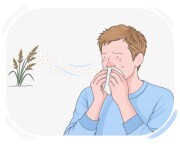
an illness that causes a runny nose and watery eyes, caused by dust from plants that come into the body through the air
katar sienny, alergiczny nieżyt nosa
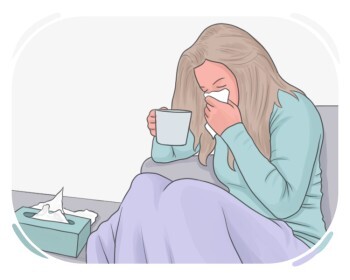
an infectious disease similar to a bad cold, causing fever and severe pain
grypa
Złapałem grypę i musiałem zostać w domu przez tydzień.
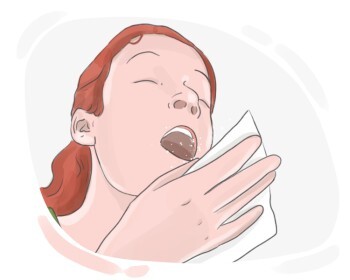
to blow air out of our nose and mouth in a sudden way
kichać, kichnąć
Zaczęła kichać z powodu kurzu w pokoju.
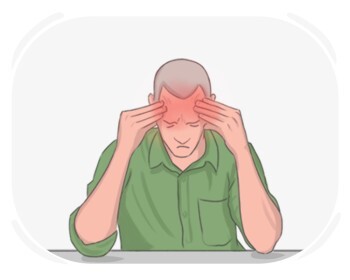
a severe recurring type of headache, particularly affecting one side of the head, and often causing visual disturbances and nausea
migrena, ból głowy
Ostatnio często ma migreny, zwłaszcza po długich godzinach spędzonych przy komputerze.
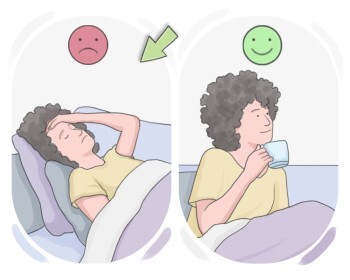
not in a good and healthy physical or mental state
chory, mdłości
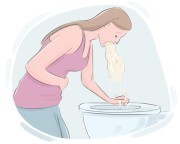
to expel the contents of the stomach through the mouth
wymiotować, zwymiotować
Choroba morska spowodowała, że kilku pasażerów na statku zwymiotowało.
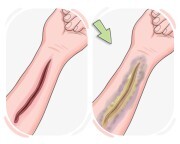
a condition in which harmful germs, such as bacteria or viruses, invade the body and cause harm, leading to symptoms such as fever, pain, and swelling
infekcja
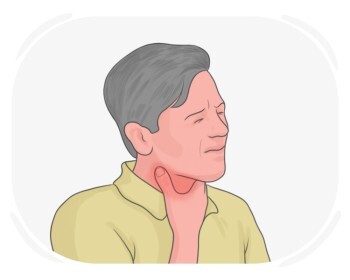
a condition when you feel pain in the throat, usually caused by bacteria or viruses
ból gardła
Jego ból gardła utrudniał mu mówienie.
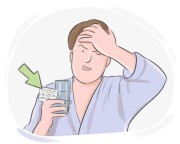
a type of medicine that is used to reduce or relieve pain
środek przeciwbólowy, lekarstwo przeciwbólowe
Omówili z farmaceutą możliwe skutki uboczne leku przeciwbólowego.
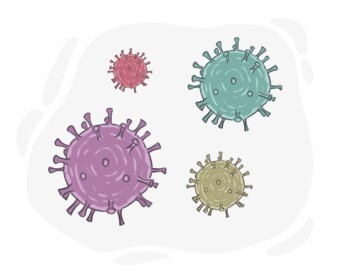
an infectious agent that reproduces only inside living cells and can cause disease
a synthetic compound, usually in the form of tablet, used to treat or reduce fever and pain
paracetamol, acetaminofen
Poczuła się lepiej po zażyciu paracetamolu na objawy przeziębienia.
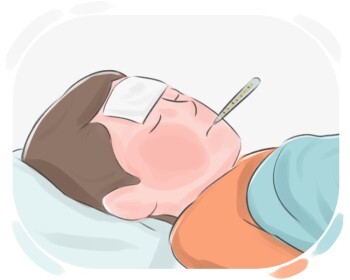
a condition characterized by a body temperature above the normal range, often indicating an immune response to infection or illness within the body
gorączka, wysoka temperatura
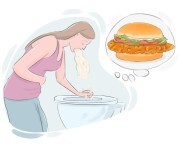
an illness resulting from the consumption of food or water contaminated with bacteria
zatrucie pokarmowe, intoksykacja pokarmowa
Aby zapobiec zatruciu pokarmowemu, ważne jest praktykowanie bezpiecznego obchodzenia się z żywnością i właściwych technik gotowania.
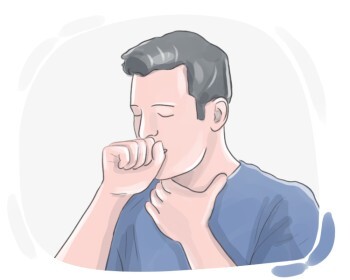
to force air suddenly out of the lungs through the throat with a short, sharp sound
kaszleć
a mild disease that we usually get when viruses affect our body and make us cough, sneeze, or have fever
przeziębienie, katar
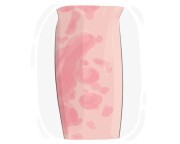
a part of one's skin covered with red spots, which is usually caused by a sickness or an allergic reaction
wysypka, zaczerwienienie
Objawy wysypki mogą obejmować swędzenie, pieczenie lub dyskomfort w dotkniętym obszarze.
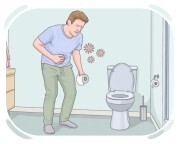
a medical condition in which body waste turns to liquid and comes out frequently
biegunka, dyzenteria
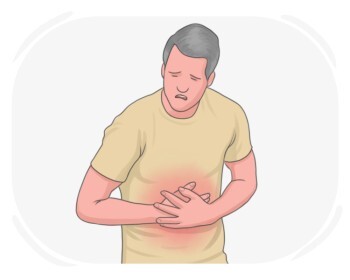
a pain in or near someone's stomach
ból brzucha, ból żołądka
Wzięła gorącą kąpiel, aby pomóc złagodzić ból brzucha.
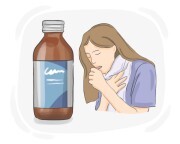
a medicine, often in a form of liquid, that one takes to relieve coughing
syrop na kaszel, lek na kaszel
Dała swojemu dziecku dawkę syropu na kaszel przed snem.
