
pattern

Competenze Lessicali SAT 3 - lezione 42

Revisione

Flashcard

Ortografia

Quiz

Inizia a imparare
SAT Word Skills 3
intellect
intellect
[sostantivo]

the ability to reason, understand, and learn, often associated with intelligence or mental capacity

intelletto, intelligenza

intelletto, intelligenza

Ex: She used her intellect to analyze complex theories. 

Ha usato il suo intelletto per analizzare teorie complesse.

Chiudi
Accedi
intelligible
intelligible
[aggettivo]

able to be understood without difficulty

intelligibile

intelligibile

Ex: The speaker's voice was clear and intelligible, even in the noisy room. 

La voce dell'oratore era chiara e intelligibile, anche nella stanza rumorosa.

Chiudi
Accedi
transience
transience
[sostantivo]

the quality of lasting for a limited period of time

transienza, fugacità

transienza, fugacità

Chiudi
Accedi
transient
transient
[aggettivo]

(of a thought, decision, or mental process) effecting outside the mind, influencing the external world or other people

transitorio, effimero

transitorio, effimero

Ex: The philosopher argued that transient mental acts, like choosing to help someone, lead to changes in the physical world. 

Il filosofo ha sostenuto che atti mentali transitori, come scegliere di aiutare qualcuno, portano a cambiamenti nel mondo fisico.

Chiudi
Accedi
transitive
transitive
[aggettivo]

(grammar) describing a verb that needs a direct object

transitivo

transitivo

Chiudi
Accedi
transitory
transitory
[aggettivo]

lasting for only a brief period

transitorio

transitorio

Ex: He learned to embrace the transitory moments of happiness, knowing they were precious but brief. 

Imparò ad abbracciare i momenti di felicità transitori, sapendo che erano preziosi ma brevi.

Chiudi
Accedi
to stanch
to stanch
[Verbo]

to stop the flow of something, especially blood or liquid, by applying pressure or using a barrier

fermare, stagnare

fermare, stagnare

Ex: They used sandbags to stanch the water pouring through the broken levee. 

Hanno usato sacchi di sabbia per stagnare l'acqua che scorreva attraverso l'argine rotto.

Chiudi
Accedi
stanchion
stanchion
[sostantivo]

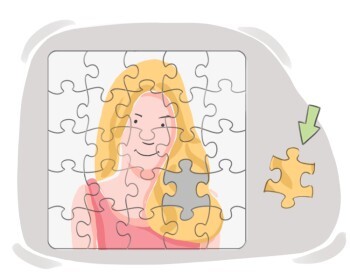
an upright piece of wood or metal that is used to support something else

palo, supporto verticale
palo, supporto verticale

Chiudi
Accedi
constituent
constituent
[sostantivo]

one of the parts or elements that something is made of

Ex: Hydrogen and oxygen are the constituents of water. 
Chiudi
Accedi
constituency
constituency
[sostantivo]

the people in a particular area who are represented by an elected member of a parliament or legislature

circoscrizione

circoscrizione

Ex: The issue attracted considerable attention among the local constituency. 
Chiudi
Accedi
deficiency
deficiency
[sostantivo]

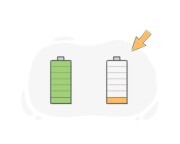
the condition of not having enough of something essential, expected, or required, whether in amount, quality, or strength

carenza, deficienza
carenza, deficienza

Ex: The soil's nutrient deficiency limited crop growth. 
Chiudi
Accedi
deficient
deficient
[aggettivo]

lacking in terms of quantity or quality

deficiente, insufficiente

deficiente, insufficiente

Ex: The deficient equipment hindered the team's performance on the field. 

L'attrezzatura carente ha ostacolato la performance della squadra in campo.

Chiudi
Accedi
efflorescent
efflorescent
[aggettivo]

grown into a flower

florente, fiorito

florente, fiorito

Chiudi
Accedi
efflorescence
efflorescence
[sostantivo]

the state or process of producing flowers

fioritura, efflorescenza

fioritura, efflorescenza

Chiudi
Accedi
prescient
prescient
[aggettivo]

knowing or predicting events before they even take place

preveggente, lungimirante

preveggente, lungimirante

Chiudi
Accedi
prescience
prescience
[sostantivo]

the capacity to know about the things that have not occurred yet

prescienza, preconoscenza

prescienza, preconoscenza

Chiudi
Accedi
rapacity
rapacity
[sostantivo]

a strong desire to have too much money or other possessions

rapacità,  avidità

rapacità, avidità

Chiudi
Accedi
rapacious
rapacious
[aggettivo]

having a desire to possess more than one actually needs

rapace, avido

rapace, avido

Chiudi
Accedi
sonata
sonata
[sostantivo]

a musical composition for a solo instrument, typically accompanied by piano, in 3 or 4 movements of contrasting keys

sonata

sonata

Chiudi
Accedi
sonnet
sonnet
[sostantivo]

a verse of Italian origin that has 14 lines, usually in an iambic pentameter and a prescribed rhyme scheme

sonetto

sonetto

Ex: She wrote a sonnet for her literature class, following the traditional 14-line structure. 

Ha scritto un sonetto per la sua classe di letteratura, seguendo la tradizionale struttura di 14 righe.

Chiudi
Accedi
LanGeek
Scarica l'app LanGeek