
pattern

Dovednosti s SAT Slovy 3 - Lekce 42

Revize

Kartičky

Pravopis

Kvíz

Začněte se učit
SAT Word Skills 3
intellect
intellect
[Podstatné jméno]

the ability to reason, understand, and learn, often associated with intelligence or mental capacity

intelekt, inteligence

intelekt, inteligence

Ex: She used her intellect to analyze complex theories. 

Použila svůj intelekt k analýze složitých teorií.
intelligible
intelligible
[Přídavné jméno]

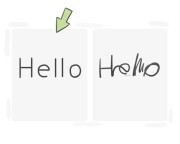
able to be understood without difficulty

srozumitelný, pochopitelný

srozumitelný, pochopitelný

Ex: The professor's lecture was intelligible, with clear explanations and examples. 

Přednáška profesora byla srozumitelná, s jasnými vysvětleními a příklady.

transience
transience
[Podstatné jméno]

the quality of lasting for a limited period of time

pomíjivost, dočasnost

pomíjivost, dočasnost

transient
transient
[Přídavné jméno]

(of a thought, decision, or mental process) effecting outside the mind, influencing the external world or other people

pomíjivý, dočasný

pomíjivý, dočasný

Ex: The philosopher argued that transient mental acts, like choosing to help someone, lead to changes in the physical world. 

Filozof tvrdil, že pomíjivé duševní činy, jako je rozhodnutí pomoci někomu, vedou ke změnám ve fyzickém světě.

transitive
transitive
[Přídavné jméno]

(grammar) describing a verb that needs a direct object

přechodný, tranzitivní

přechodný, tranzitivní

transitory
transitory
[Přídavné jméno]

lasting for only a brief period

přechodný, pomíjivý

přechodný, pomíjivý

Ex: The transitory period of uncertainty ended when they received the job offer. 

Přechodné období nejistoty skončilo, když dostali nabídku práce.

to stanch
to stanch
[sloveso]

to stop the flow of something, especially blood or liquid, by applying pressure or using a barrier

zastavit, utěsnit

zastavit, utěsnit

Ex: They used sandbags to stanch the water pouring through the broken levee. 

Použili pytle s pískem, aby zastavili vodu proudící přes protrženou hráz.

stanchion
stanchion
[Podstatné jméno]

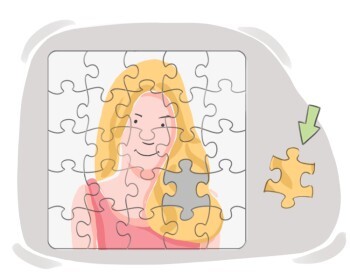
an upright piece of wood or metal that is used to support something else

sloup, svislá podpěra
sloup, svislá podpěra

constituent
constituent
[Podstatné jméno]

an object that is part of a structure and is usually separable

součást, konstituent

součást, konstituent

Ex: Hydrogen and oxygen are the constituents of water. 
constituency
constituency
[Podstatné jméno]

the people in a particular area who are represented by an elected member of a parliament or legislature

volební obvod,  voliči

volební obvod, voliči

Ex: The issue attracted considerable attention among the local constituency. 
deficiency
deficiency
[Podstatné jméno]

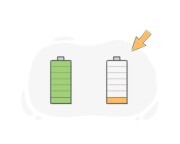
the condition of not having enough of something essential, expected, or required, whether in amount, quality, or strength

nedostatek, deficit
nedostatek, deficit

Ex: The soil's nutrient deficiency limited crop growth. 
deficient
deficient
[Přídavné jméno]

lacking in terms of quantity or quality

nedostatečný, chybějící

nedostatečný, chybějící

Ex: The deficient equipment hindered the team's performance on the field. 

Nedostatečné vybavení bránilo výkonu týmu na hřišti.

efflorescent
efflorescent
[Přídavné jméno]

grown into a flower

kvetoucí, rozvíjející se

kvetoucí, rozvíjející se

efflorescence
efflorescence
[Podstatné jméno]

the state or process of producing flowers

kvetení, rozkvět

kvetení, rozkvět

prescient
prescient
[Přídavné jméno]

knowing or predicting events before they even take place

prozíravý, jasnozřivý

prozíravý, jasnozřivý

prescience
prescience
[Podstatné jméno]

the capacity to know about the things that have not occurred yet

předvídavost, znalost budoucnosti

předvídavost, znalost budoucnosti

rapacity
rapacity
[Podstatné jméno]

a strong desire to have too much money or other possessions

chamtivost,  hrabivost

chamtivost, hrabivost

rapacious
rapacious
[Přídavné jméno]

having a desire to possess more than one actually needs

dravý, chtivý

dravý, chtivý

sonata
sonata
[Podstatné jméno]

a musical composition for a solo instrument, typically accompanied by piano, in 3 or 4 movements of contrasting keys

sonáta, hudební skladba pro sólový nástroj

sonáta, hudební skladba pro sólový nástroj

sonnet
sonnet
[Podstatné jméno]

a verse of Italian origin that has 14 lines, usually in an iambic pentameter and a prescribed rhyme scheme

sonet, báseň o čtrnácti řádcích

sonet, báseň o čtrnácti řádcích

Ex: She wrote a sonnet for her literature class, following the traditional 14-line structure. 

Napsala sonet pro svou literární třídu, podle tradiční 14řádkové struktury.

LanGeek
Stáhnout aplikaci LanGeek