pattern

Cambridge IELTS 17 - Academic - Test 2 - Lettura - Passaggio 3 (2)

Impara il vocabolario dalla seconda parte del Cambridge IELTS 17 Academic, Test 2 Reading Passage 3, con parole ed espressioni utili dal testo.

Revisione

Flashcard

forme

Ortografia

Quiz
Inizia a imparare
Cambridge IELTS 17 - Academic
utility
utility
[sostantivo]

the quality of being useful or practical

utilità,  praticità

utilità, praticità

Ex: Emma recognized the utility of keeping detailed records. 
Chiudi
Accedi
diverse
diverse
[aggettivo]

showing a variety of distinct types or qualities

vario

vario

Ex: The festival showcased diverse musical genres. 

Il festival ha mostrato generi musicali diversi.

Chiudi
Accedi
enduring
enduring
[aggettivo]

having the ability to last over a long period of time

durature, persistente

durature, persistente

Ex: The enduring legacy of his work influenced future generations. 

L'eredità duratura del suo lavoro ha influenzato le generazioni future.

Chiudi
Accedi
merely
merely
[avverbio]

nothing more than what is to be said

semplicemente

semplicemente

Ex: She merely wanted to help, not to interfere. 

Lei semplicemente voleva aiutare, non interferire.

Chiudi
Accedi
to label
to label
[Verbo]

to assign a quality to someone or something in order to categorize them

etichettare, catalogare

etichettare, catalogare

Ex: He was labeled as a rebel for his defiance of authority. 
Chiudi
Accedi
to advance
to advance
[Verbo]

to propose an idea or theory for discussion

offrire

offrire

Ex: The architect advanced a unique design concept for the new building. 
Chiudi
Accedi
groundbreaking
groundbreaking
[aggettivo]

original and pioneering in a certain field, often setting a new standard for others to follow

innovatore

innovatore

Ex: The architect's groundbreaking design for the new building won several awards for its innovative approach. 

Il design rivoluzionario dell'architetto per il nuovo edificio ha vinto diversi premi per il suo approccio innovativo.

Chiudi
Accedi
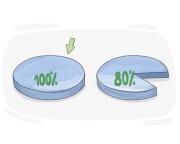
to refrain
to refrain
[Verbo]

to resist or hold back from doing or saying something

astenersi,  trattenersi

astenersi, trattenersi

Ex: Even in the face of frustration, he managed to refrain from expressing his discontent during the meeting. 

Anche di fronte alla frustrazione, è riuscito a astenersi dall'esprimere il suo malcontento durante la riunione.
Chiudi
Accedi
entirely
entirely
[avverbio]

to the fullest or complete degree

completamente

completamente

Ex: The room was entirely empty after the move. 

La stanza era completamente vuota dopo il trasloco.

Chiudi
Accedi
variation
variation
[sostantivo]

(biology) an organism that has characteristics resulting from chromosomal alteration

variazione, mutazione

variazione, mutazione

Ex: Each variation was examined for inherited differences. 
Chiudi
Accedi
selection
selection
[sostantivo]

a natural process resulting in the evolution of organisms best adapted to the environment

selezione

selezione

Ex: Scientists study selection to understand how species adapt to changing conditions. 
Chiudi
Accedi
objective
objective
[sostantivo]

a goal that one wants to achieve

obiettivo

obiettivo

Ex: The charity's objective is to raise funds to support local education programs. 
Chiudi
Accedi
in sight
in sight
[aggettivo]

at or within a reasonable distance for seeing

visibile, in vista

visibile, in vista

Chiudi
Accedi
provenance
provenance
[sostantivo]

the origin or source of a particular thing

provenienza, origine

provenienza, origine

Ex: Historians study the provenance of manuscripts to understand their historical significance. 

Gli storici studiano la provenienza dei manoscritti per comprenderne il significato storico.
Chiudi
Accedi
to operate
to operate
[Verbo]

to function in a specific way

operare, azionare

operare, azionare

Ex: While the repairs were ongoing, the backup generator was operating to provide electricity. 
Chiudi
Accedi
to constrain

to restrict movement or actions through restraint or confinement

limitare, restringere

limitare, restringere

Ex: The handcuffs constrain his movements, preventing him from fleeing. 

Le manette vincolano i suoi movimenti, impedendogli di fuggire.

Chiudi
Accedi
prior
prior
[aggettivo]

happening or existing before something else

precedente

precedente

Ex: Her prior experience in marketing helped her secure the new job. 
Chiudi
Accedi
to abandon
to abandon
[Verbo]

to stop supporting an idea, policy, concept, etc.

abbandonare, rinunciare a

abbandonare, rinunciare a

Ex: The government abandoned its original policy after widespread criticism. 
Chiudi
Accedi
to explore
to explore
[Verbo]

to investigate something to gain knowledge or understanding about it

esplorare, indagare

esplorare, indagare

Ex: Can you please explore alternative solutions to the problem? 
Chiudi
Accedi
to defend
to defend
[Verbo]

to support someone or try to justify an action, plan, etc.

difendere
difendere

Ex: The writer's latest book aims to defend her controversial views on social issues. 
Chiudi
Accedi
to disprove

to show that something is false or incorrect

smentire

smentire

Ex: The lawyer attempted to disprove the witness's testimony. 

L'avvocato ha tentato di confutare la testimonianza del testimone.

Chiudi
Accedi
to outline
to outline
[Verbo]

to give a brief description of something excluding the details

profilo

profilo

Ex: Before starting the research paper, the scientist outlined the hypotheses and methodologies to guide the study. 
Chiudi
Accedi
assumption
assumption
[sostantivo]

an idea or belief that one thinks is true without having a proof

supposizione, ipotesi

supposizione, ipotesi

Ex: The decision relied on the assumption that funding would be approved. 
Chiudi
Accedi
to criticize

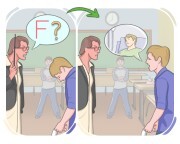
to express disapproval of someone or something by pointing out faults or weaknesses

criticare
criticare

Ex: The reviewer criticized the film's weak ending. 
Chiudi
Accedi
to justify
to justify
[Verbo]

to provide a valid reason or explanation for an action, decision, or belief, usually something that others consider wrong

giustificare

giustificare

Ex: The government had to justify the allocation of funds to a particular project by outlining its potential benefits for the community. 
Chiudi
Accedi
standpoint
standpoint
[sostantivo]

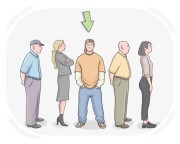
an opinion or decision that is formed based on one's belief or circumstances

punto di vista
punto di vista

Chiudi
Accedi
exception
exception
[sostantivo]

a person or thing that does not follow a general rule or is excluded from a class or group

eccezione

eccezione

Ex: The car insurance policy includes coverage for most damages, with the exception of those caused by natural disasters. 
Chiudi
Accedi
ideal
ideal
[sostantivo]

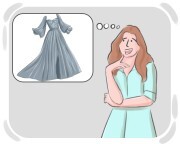
someone or something considered to possess unmatched or unparalleled qualities of perfection

ideale, modello
ideale, modello

Ex: He aspires to meet the ideal of a dedicated and reliable employee. 
Chiudi
Accedi
to aspire
to aspire
[Verbo]

to desire to have or become something

aspirare a

aspirare a

Ex: She aspires to become a renowned scientist and make significant discoveries. 

Lei aspira a diventare una scienziata rinomata e fare scoperte significative.

Chiudi
Accedi
recognition
recognition
[sostantivo]

acknowledgment or approval given to someone or something for their achievements, qualities, or actions

riconoscimento

riconoscimento

Ex: The company's commitment to sustainability earned it global recognition. 
Chiudi
Accedi
reputation
reputation
[sostantivo]

the general opinion that the public has about someone or something because of what they did in the past

reputazione

reputazione

Ex: The artist's reputation grew after several successful exhibitions of her work. 
Chiudi
Accedi
skepticism
skepticism
[sostantivo]

a doubting or questioning attitude towards ideas, beliefs, or claims that are generally accepted

scetticismo

scetticismo

Ex: The proposal was met with skepticism by the board, who questioned its feasibility. 

La proposta è stata accolta con scetticismo dal consiglio, che ne ha messo in dubbio la fattibilità.

Chiudi
Accedi
development
development
[sostantivo]

a process or state in which something becomes more advanced, stronger, etc.

sviluppo

sviluppo

Ex: They monitored the development of the plant to understand its growth patterns. 
Chiudi
Accedi
to seek
to seek
[Verbo]

to try to find a particular thing or person

cercare

cercare

Ex: Police are seeking a missing child. 
Chiudi
Accedi
to turn away

to move away from one's area of interest or original path

deviare, allontanarsi

deviare, allontanarsi

Ex: The artist decided to turn away from abstract painting and explore realism in his latest collection. 

L'artista ha deciso di allontanarsi dalla pittura astratta e di esplorare il realismo nella sua ultima collezione.

Chiudi
Accedi
necessity
necessity
[sostantivo]

the fact or condition of being required or unavoidable

necessità

necessità

Ex: They accepted the changes out of necessity rather than choice. 
Chiudi
Accedi
to provoke
to provoke
[Verbo]

to cause a particular reaction, feeling, or response

provocare

provocare

Ex: The experiment provoked an unexpected response in the cells. 
Chiudi
Accedi
to modify
to modify
[Verbo]

to make partial changes to something, usually to improve it or make it more suitable

modificare

modificare

Ex: Scientists genetically modified the plants to resist certain pests. 
Chiudi
Accedi
coincidence
coincidence
[sostantivo]

a situation in which two things happen simultaneously by chance that is considered unusual

coincidenza

coincidenza

Ex: The similarity between their stories seemed more than just coincidence. 

La somiglianza tra le loro storie sembrava più di una semplice coincidenza.
Chiudi
Accedi
to compromise

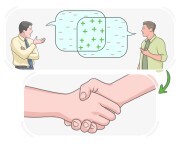
to reach an agreement by giving up some of what one originally wanted

compromettere

compromettere

Ex: We compromised by choosing a restaurant that offered both types of food. 
Chiudi
Accedi
misadventure
misadventure
[sostantivo]

an event or experience that is unfortunate, unsuccessful, or troublesome, often due to poor planning, bad judgment, or unforeseen circumstances

disavventura, avventura sfortunata

disavventura, avventura sfortunata

Ex: The exploration mission was aborted following a series of mechanical misadventures with their vehicles. 

La missione di esplorazione è stata interrotta a seguito di una serie di disavventure meccaniche con i loro veicoli.

Chiudi
Accedi
pure
pure
[aggettivo]

absolute or complete, without any admixture or qualification

puro, assoluto

puro, assoluto

Ex: The novel's pure excitement kept readers hooked from start to finish with its intense, unrelenting pace. 
Chiudi
Accedi
serendipity
serendipity
[sostantivo]

the fact of accidentally experiencing or discovering something that is pleasant or valuable

serendipità

serendipità

Ex: It was serendipity that led her to the perfect solution to her problem while casually reading an article. 

Fu la serendipità a condurla alla soluzione perfetta del suo problema mentre leggeva casualmente un articolo.

Chiudi
Accedi
to affix
to affix
[Verbo]

to attach or fasten something to another object or surface

fissare, attaccare

fissare, attaccare

Ex: They have affixed labels to the products for identification purposes. 

Hanno apposto etichette ai prodotti per scopi di identificazione.

Chiudi
Accedi
hymnbook
hymnbook
[sostantivo]

a songbook containing a collection of hymns

innario, libro degli inni

innario, libro degli inni

Chiudi
Accedi
brilliantly
brilliantly
[avverbio]

with exceptional intelligence, skill, or creativity

brillantemente

brillantemente

Ex: They played the symphony brilliantly from start to finish. 

Hanno suonato la sinfonia brillantemente dall'inizio alla fine.

Chiudi
Accedi
phenomenally
phenomenally
[avverbio]

to a degree that exceeds expectations or standards to a significant extent

fenomenalmente, straordinariamente

fenomenalmente, straordinariamente

Ex: His popularity skyrocketed phenomenally after the movie premiere. 

La sua popolarità è fenomenalmente schizzata alle stelle dopo la prima del film.

Chiudi
Accedi
post-it
post-it
[sostantivo]

a small piece of colored paper that is sticky on one side and can be easily removed, used for leaving notes

Post-it

Post-it

Ex: Post-its are convenient for jotting down quick thoughts and organizing tasks. 

I Post-it sono comodi per annotare rapidamente pensieri e organizzare compiti.

Chiudi
Accedi
ingenious
ingenious
[aggettivo]

having or showing cleverness, creativity, or skill

ingegnoso

ingegnoso

Ex: The ingenious chef created a unique dish by combining unexpected ingredients in innovative ways. 

Lo chef geniale ha creato un piatto unico combinando ingredienti inaspettati in modi innovativi.

Chiudi
Accedi
designing
designing
[aggettivo]

concealing crafty designs for advancing your own interest

calcolatore, manipolatore

calcolatore, manipolatore

Chiudi
Accedi
banal
banal
[aggettivo]

lacking creativity or novelty, making it uninteresting due to its overuse or predictability

banale,  triviale

banale, triviale

Ex: The book’s banal themes failed to leave a lasting impression. 

I temi banali del libro non sono riusciti a lasciare un'impressione duratura.

Chiudi
Accedi
mechanical
mechanical
[aggettivo]

performed automatically and repetitively with little thought, feeling, or creativity

meccanico, automatico

meccanico, automatico

Ex: Sorting hundreds of identical forms soon felt like a mechanical task. 
Chiudi
Accedi
fundamentally
fundamentally
[avverbio]

in a manner that refers to the essential aspects of something

fondamentalmente, essenzialmente

fondamentalmente, essenzialmente

Ex: The success of any educational system is fundamentally tied to the quality of its teachers and the support they receive. 

Il successo di qualsiasi sistema educativo è fondamentalmente legato alla qualità dei suoi insegnanti e al supporto che ricevono.

Chiudi
Accedi
to invoke
to invoke
[Verbo]

to mention someone or something of prominence as a support or reason for an argument or action

invocare

invocare

Ex: In his defense, he invoked his right to remain silent during questioning. 

In sua difesa, ha invocato il suo diritto di rimanere in silenzio durante l'interrogatorio.

Chiudi
Accedi
doubtful
doubtful
[aggettivo]

improbable or unlikely to happen or be the case

dubbioso, incerto

dubbioso, incerto

Ex: The weather forecast makes it doubtful that we will have a sunny weekend for the picnic. 

Le previsioni del tempo rendono dubbioso che avremo un weekend soleggiato per il picnic.

Chiudi
Accedi
to [give] (the|) lie to {sth}

to show clearly that something is false, wrong, or not as it appears

Ex: His calm tone gives the lie to his angry words. 
Chiudi
Accedi
naive
naive
[aggettivo]

lacking experience, wisdom, or understanding about the world, often resulting in being overly trusting or easily deceived

ingenuo, credulone

ingenuo, credulone

Ex: The naive interpretation of the contract terms caused misunderstandings between the parties involved. 

L'interpretazione ingenua dei termini del contratto ha causato incomprensioni tra le parti coinvolte.

Chiudi
Accedi
LanGeek
Scarica l'app LanGeek
