
Cambridge IELTS 17 - Académico - Prueba 2 - Lectura - Pasaje 3 (2)
Aprende vocabulario de la segunda parte del Cambridge IELTS 17 Academic, Test 2 Reading Passage 3, con palabras y expresiones útiles del texto.
Revisión
Tarjetas de memoria
formas
Ortografía
Cuestionario

the quality of being useful or practical

utilidad

showing a variety of distinct types or qualities
diverso
A ella le gusta escuchar diversos géneros de música, desde el clásico hasta el jazz.
having the ability to last over a long period of time
duradero
El atractivo perdurable de la literatura clásica trasciende generaciones.
nothing more than what is to be said
simplemente, solamente
Solo estamos mirando, sin planes de comprar nada todavía.
to assign a quality to someone or something in order to categorize them
etiquetar, catalogar

to propose an idea or theory for discussion
presentar
original and pioneering in a certain field, often setting a new standard for others to follow
innovador, revolucionario
La tecnología innovadora de la empresa revolucionó la forma en que las personas se comunican.

to resist or hold back from doing or saying something
abstenerse
Para mantener un ambiente positivo, el profesor anima a los estudiantes a abstenerse de comentarios negativos en el aula.
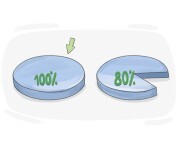
to the fullest or complete degree
completamente
El concepto era completamente nuevo para la comunidad científica.
(biology) an organism that has characteristics resulting from chromosomal alteration
variación, mutación
a natural process resulting in the evolution of organisms best adapted to the environment
selección

a goal that one wants to achieve
objetivo
the origin or source of a particular thing
procedencia, origen
La procedencia de la espada antigua fue meticulosamente investigada para establecer su importancia histórica.
to function in a specific way
funcionar
to restrict movement or actions through restraint or confinement
constreñir
happening or existing before something else
anterior
to stop supporting an idea, policy, concept, etc.
abandonar, dejar

to investigate something to gain knowledge or understanding about it
explorar, investigar

to support someone or try to justify an action, plan, etc.
defender
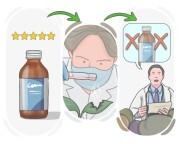
to show that something is false or incorrect
refutar
Ella presentó pruebas para refutar las acusaciones en su contra.

to give a brief description of something excluding the details
resumir
an idea or belief that one thinks is true without having a proof
suposición

to express disapproval of someone or something by pointing out faults or weaknesses
criticar
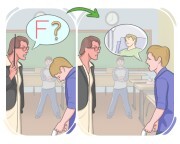
to provide a valid reason or explanation for an action, decision, or belief, usually something that others consider wrong
justificar
an opinion or decision that is formed based on one's belief or circumstances
punto de vista

a person or thing that does not follow a general rule or is excluded from a class or group
excepción
someone or something considered to possess unmatched or unparalleled qualities of perfection
ideal, modelo

to desire to have or become something
aspirar
Aspiro a ser un empresario exitoso y construir mi propio negocio.
acknowledgment or approval given to someone or something for their achievements, qualities, or actions
reconocimiento

the general opinion that the public has about someone or something because of what they did in the past
reputación, fama
a doubting or questioning attitude towards ideas, beliefs, or claims that are generally accepted
escepticismo
A pesar de las garantías de la empresa, hubo un escepticismo generalizado entre los empleados sobre la nueva política.

a process or state in which something becomes more advanced, stronger, etc.
desarrollo

to try to find a particular thing or person
buscar
to move away from one's area of interest or original path
desviar, alejarse
Después de años de perseguir una carrera en finanzas, sintió la necesidad de alejarse y seguir su pasión por el activismo ambiental.

the fact or condition of being required or unavoidable
necesidad
to cause a particular reaction, feeling, or response
incitar

to make partial changes to something, usually to improve it or make it more suitable
modificar
a situation in which two things happen simultaneously by chance that is considered unusual
coincidencia
El momento de sus llamadas telefónicas fue pura coincidencia.
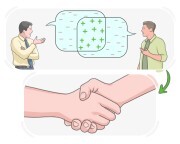
to reach an agreement by giving up some of what one originally wanted
llegar a una solución intermedia
an event or experience that is unfortunate, unsuccessful, or troublesome, often due to poor planning, bad judgment, or unforeseen circumstances
desventura
Renunció en desgracia después de que saliera a la luz una desventura que involucraba fondos de campaña ilegales.
absolute or complete, without any admixture or qualification
puro, absoluto
the fact of accidentally experiencing or discovering something that is pleasant or valuable
serendipia
Su serendipia al encontrar una moneda rara en el ático de su abuelo lo convirtió en un coleccionista adinerado.
to attach or fasten something to another object or surface
poner
Para cuando llegaron, alguien ya había pegado una calcomanía de "vendido" en el parabrisas del coche.
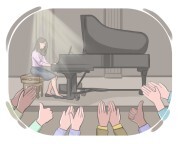
with exceptional intelligence, skill, or creativity
estupendamente
Resolvió el rompecabezas brillantemente, dejando a todos asombrados.
to a degree that exceeds expectations or standards to a significant extent
fenomenalmente, excepcionalmente
Ella ha mejorado fenomenalmente en sus habilidades con el piano en los últimos meses.

a small piece of colored paper that is sticky on one side and can be easily removed, used for leaving notes
post-it
Usó un Post-it para marcar las páginas importantes en su libro de texto.

having or showing cleverness, creativity, or skill
ingenioso
Como un mecánico ingenioso, podía arreglar cualquier máquina rota con solo algunas herramientas y un poco de pensamiento creativo.
lacking creativity or novelty, making it uninteresting due to its overuse or predictability
banal
Con sus letras repetitivas y banales, la canción no logró conectar con los oyentes, careciendo de la profundidad y originalidad que anhelaban.
performed automatically and repetitively with little thought, feeling, or creativity
mecánico, automático
in a manner that refers to the essential aspects of something
fundamentalmente, esencialmente
El modelo económico estaba fundamentalmente defectuoso, ya que no tenía en cuenta las fluctuaciones impredecibles del mercado.
to mention someone or something of prominence as a support or reason for an argument or action
invocar, citar
improbable or unlikely to happen or be the case
improbable
Las posibilidades del equipo de ganar el campeonato parecen dudosas después de su reciente racha de pérdidas.
to show clearly that something is false, wrong, or not as it appears
lacking experience, wisdom, or understanding about the world, often resulting in being overly trusting or easily deceived
ingenuo, cándido
Su manejo ingenuo de datos sensibles resultó en una violación de las regulaciones de privacidad.
