
Cambridge IELTS 17 - Academic - Test 2 - Čtení - Úryvek 3 (2)
Naučte se slovní zásobu z druhé části Cambridge IELTS 17 Academic, Test 2 Reading Passage 3, s užitečnými slovy a výrazy z textu.
Revize
Kartičky
tvary
Pravopis
Kvíz

the quality of being useful or practical

užitečnost, praktičnost
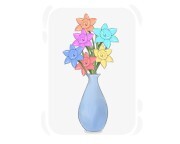
showing a variety of distinct types or qualities
různorodý, rozmanitý
Festival představil různé hudební žánry.
having the ability to last over a long period of time
trvalý, vytrvalý
Trvalé dědictví jeho práce ovlivnilo budoucí generace.
nothing more than what is to be said
pouze, jen
Chtěla jen pomoci, ne zasahovat.
to assign a quality to someone or something in order to categorize them
označit, kategorizovat
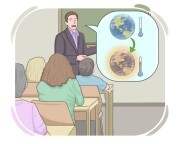
to propose an idea or theory for discussion
navrhnout, předložit
original and pioneering in a certain field, often setting a new standard for others to follow
převratný, revoluční
Převratný design architekta pro novou budovu získal několik ocenění za svůj inovativní přístup.

to resist or hold back from doing or saying something
zdržet se, krotit se
I přes frustraci se dokázal zdržet vyjádření své nespokojenosti během schůzky.
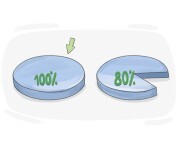
to the fullest or complete degree
zcela, úplně
Místnost byla po stěhování zcela prázdná.
(biology) an organism that has characteristics resulting from chromosomal alteration
variace, mutace
a natural process resulting in the evolution of organisms best adapted to the environment
výběr

a goal that one wants to achieve
cíl
the origin or source of a particular thing
původ, zdroj
Historici studují původ rukopisů, aby pochopili jejich historický význam.
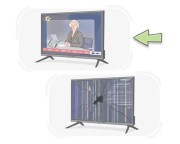
to function in a specific way
fungovat, provozovat
to restrict movement or actions through restraint or confinement
omezit, omezovat
happening or existing before something else
předchozí, předcházející
to stop supporting an idea, policy, concept, etc.
opustit, vzdát se

to investigate something to gain knowledge or understanding about it
zkoumat, prozkoumat

to support someone or try to justify an action, plan, etc.
bránit, podporovat
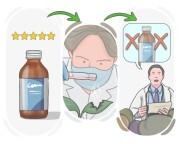
to show that something is false or incorrect
vyvrátit, dokázat nepravdivost
Advokát se pokusil vyvrátit svědectví svědka.
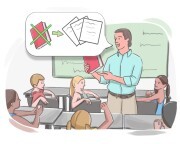
to give a brief description of something excluding the details
nastínit, stručně popsat
an idea or belief that one thinks is true without having a proof
předpoklad, domněnka
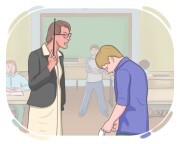
to express disapproval of someone or something by pointing out faults or weaknesses
kritizovat, odsuzovat
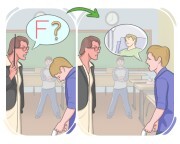
to provide a valid reason or explanation for an action, decision, or belief, usually something that others consider wrong
ospravedlnit, obhajovat
an opinion or decision that is formed based on one's belief or circumstances
stanovisko, postoj
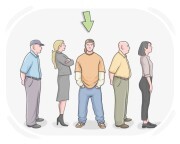
a person or thing that does not follow a general rule or is excluded from a class or group
výjimka, zvláštní případ
someone or something considered to possess unmatched or unparalleled qualities of perfection
ideál, vzor
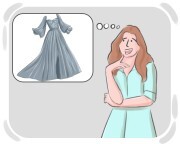
to desire to have or become something
usilovat, toužit
Ona usiluje o to, aby se stala uznávanou vědkyní a učinila významné objevy.
acknowledgment or approval given to someone or something for their achievements, qualities, or actions
uznání

the general opinion that the public has about someone or something because of what they did in the past
pověst, renomé
a doubting or questioning attitude towards ideas, beliefs, or claims that are generally accepted
skepticismus
Návrh byl přijat s skepticismem radou, která zpochybnila jeho proveditelnost.

a process or state in which something becomes more advanced, stronger, etc.
vývoj

to try to find a particular thing or person
hledat, pátrat
to move away from one's area of interest or original path
odvrátit se, uchýlit se
Tváří v tvář odporu se manažer rozhodl odvrátit od původního plánu a zvážit alternativní řešení.

the fact or condition of being required or unavoidable
to cause a particular reaction, feeling, or response
vyvolat, podnítit
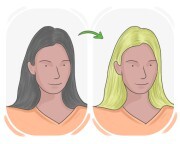
to make partial changes to something, usually to improve it or make it more suitable
upravit
a situation in which two things happen simultaneously by chance that is considered unusual
náhoda
Podobnost mezi jejich příběhy se zdála být více než jen náhoda.
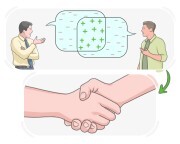
to reach an agreement by giving up some of what one originally wanted
udělat kompromis, kompromitovat se
an event or experience that is unfortunate, unsuccessful, or troublesome, often due to poor planning, bad judgment, or unforeseen circumstances
neštěstí, neúspěšné dobrodružství
Jejich batůžková cesta džunglí se stala nešťastnou příhodou, když jedna osoba chytila parazita.
absolute or complete, without any admixture or qualification
čistý, absolutní
the fact of accidentally experiencing or discovering something that is pleasant or valuable
serendipita, šťastná náhoda
Byla to náhoda, která ji přivedla k dokonalému řešení jejího problému, když si náhodou četla článek.
to attach or fasten something to another object or surface
připevnit, přilepit
Na výrobky připevnili štítky pro identifikační účely.
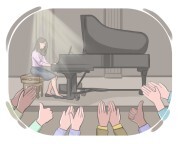
with exceptional intelligence, skill, or creativity
brilantně, mistrovsky
Hráli symfonii brilantně od začátku do konce.
to a degree that exceeds expectations or standards to a significant extent
fenomenálně, mimořádně
Jeho popularita fenomenálně vzrostla po premiéře filmu.

a small piece of colored paper that is sticky on one side and can be easily removed, used for leaving notes
post-it, lepící lísteček
Post-it jsou vhodné pro rychlé zaznamenávání myšlenek a organizaci úkolů.

having or showing cleverness, creativity, or skill
důvtipný, tvořivý
Důmyslný šéfkuchař vytvořil jedinečné jídlo kombinací neočekávaných ingrediencí inovativními způsoby.
concealing crafty designs for advancing your own interest
vypočítavý, manipulativní
lacking creativity or novelty, making it uninteresting due to its overuse or predictability
banální, triviální
Banalní témata knihy nezanechala trvalý dojem.
performed automatically and repetitively with little thought, feeling, or creativity
mechanický, automatický
in a manner that refers to the essential aspects of something
zásadně, v podstatě
Úspěch jakéhokoli vzdělávacího systému je zásadně spojen s kvalitou jeho učitelů a podporou, kterou dostávají.
to mention someone or something of prominence as a support or reason for an argument or action
odvolávat se, vyzývat
improbable or unlikely to happen or be the case
pochybný, nejistý
Vzhledem ke špatným povětrnostním podmínkám je pochybné, že se venkovní koncert uskuteční podle plánu.
to show clearly that something is false, wrong, or not as it appears
lacking experience, wisdom, or understanding about the world, often resulting in being overly trusting or easily deceived
naivní, nezkušený
Naivní výklad smluvních podmínek způsobil nedorozumění mezi zúčastněnými stranami.
