pattern

本 Headway - 中級 - ユニット12

ここでは、Headway Intermediateコースブックのユニット12からの語彙、例えば「アースライズ」、「口論」、「抗議」などを見つけることができます。

レビュー

フラッシュカード

語形

綴り

クイズ

学習を開始
Headway - Intermediate
to approve
to approve
[動詞]

to officially agree to a plan, proposal, etc.

承認する, 認可する
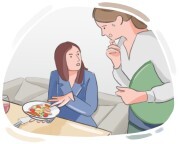
承認する, 認可する

Ex: The regulatory authority announced its decision to approve the pharmaceutical company's new drug for public use after thorough testing. 
to complain
to complain
[動詞]

to express your annoyance, unhappiness, or dissatisfaction about something

不平を言う, 文句を言う

不平を言う, 文句を言う

Ex: Tom didn't hesitate to complain when his order at the restaurant arrived with the wrong items. 
to gossip
to gossip
[動詞]

to talk about the private lives of others with someone, often sharing secrets or spreading untrue information

噂話をする, ゴシップを話す

噂話をする, ゴシップを話す

Ex: During lunch, the coworkers gossiped about a colleague's sudden resignation, speculating about the reasons behind it. 
to quarrel
to quarrel
[動詞]

to have a serious argument

口論する, 喧嘩する
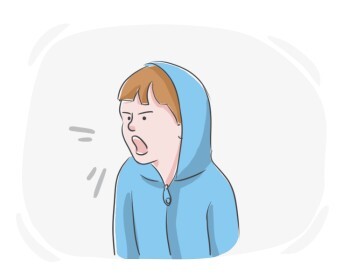
口論する, 喧嘩する

Ex: The married couple quarreled over household responsibilities, leading to a discussion about balancing chores. 
to yell
to yell
[動詞]

to shout or make a very loud vocal sound, especially because of anger, pain, excitement, or a desire to attract attention

叫ぶ,  大声を出す

叫ぶ, 大声を出す

Ex: She yelled for help when she saw the smoke. 
to argue
to argue
[動詞]

to speak to someone often angrily because one disagrees with them

言い争う, 口論する
言い争う, 口論する

Ex: I hate to argue with my parents, but this time they were wrong. 
to compliment

to tell a person that one admires something about them such as achievements, appearance, etc.

褒める, 賛辞を贈る

褒める, 賛辞を贈る

Ex: He complimented his colleague on his new suit, appreciating its style and professional appearance. 

彼は同僚の新しいスーツを褒め、そのスタイルとプロフェッショナルな外観を評価しました。
to grumble
to grumble
[動詞]

to complain quietly or softly, often in a way that others cannot hear or understand

ぶつぶつ言う, つぶやく

ぶつぶつ言う, つぶやく

Ex: He was grumbling under his breath during the meeting. 

彼は会議中にぶつぶつ言っていた。

to recommend
to recommend
[動詞]

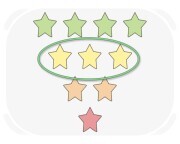
to suggest to someone that something is good, convenient, etc.

推薦する, 勧める
推薦する, 勧める

Ex: My friend recommended a new restaurant downtown, saying the food was delicious and the atmosphere was cozy. 
good
good
[形容詞]

having a quality that is satisfying

良い, 素晴らしい

良い, 素晴らしい

Ex: She has a good memory and can remember details easily. 
idea
idea
[名詞]

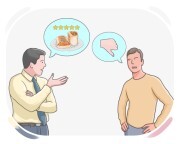
a suggestion or thought about something that we could do

アイデア, 提案
アイデア, 提案

Ex: I appreciate your input; your idea about streamlining the process is worth considering. 
to disagree
to disagree
[動詞]

to have or express a different opinion from someone else

to have or express a different opinion from someone else

to have or express a different opinion from someone else

Ex: Emma disagrees with her brother about how to spend their savings. 
social
social
[形容詞]

related to society and the lives of its citizens in general

社会的

社会的

Ex: The government implemented social programs to support vulnerable populations. 

政府は脆弱な人々を支援するために社会的なプログラムを実施しました。

volume
volume
[名詞]

the amount of space that a substance or object takes or the amount of space inside an object

体積, 容量
体積, 容量

Ex: The volume of the box was calculated to be 1 cubic meter. 
court of law
court of law
[名詞]

a place where legal disputes are resolved by a judge or judges using established legal procedures and rules

裁判所

裁判所

Ex: The defendant stood before the court of law to answer the charges against him. 

被告は、自分に対する告発に答えるために裁判所の前に立った。

to dislike
to dislike
[動詞]

to not like someone or something

嫌う, 好まない

嫌う, 好まない

Ex: Emma dislikes cold weather. 
to like
to like
[動詞]

to feel that someone or something is good, enjoyable, or interesting

好き, 楽しむ

好き, 楽しむ

Ex: They have never liked horror movies. 
to ask
to ask
[動詞]

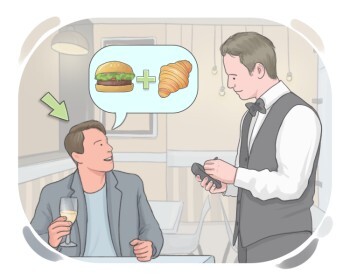
to use words in a question form or tone to get answers from someone

尋ねる, 質問する
尋ねる, 質問する

Ex: Did you ask him about his plans for the weekend? 
to order
to order
[動詞]

to ask for something, especially food, drinks, services, etc. in a restaurant, bar, or shop

注文する, オーダーする

注文する, オーダーする

Ex: She ordered a latte to go from the coffee shop. 
to speak
to speak
[動詞]

to use one's voice to express a particular feeling or thought

話す, 表現する

話す, 表現する

Ex: The president will speak at the event tomorrow. 
to accuse
to accuse
[動詞]

to say that a person or group has done something wrong

非難する, 告発する

非難する, 告発する

Ex: The child accused the dog of eating his homework, much to his parents' amusement. 
to beg
to beg
[動詞]

to ask someone very earnestly or desperately to do something

懇願する, 物乞いする

懇願する, 物乞いする

Ex: She begged him not to leave. 
to criticize
to criticize
[動詞]

to evaluate or discuss the merits and faults of a work, idea, or performance

批評する,  論評する

批評する, 論評する

Ex: The class was asked to criticize two poems from different periods. 
to insist
to insist
[動詞]

to be firm or resolute about something and refuse to change one's position

主張する, 固執する

主張する, 固執する

Ex: She insisted on paying for the meal. 

彼女は食事代を払うことを主張した。

to scream
to scream
[動詞]

to make a loud, sharp cry when one is feeling a strong emotion

叫ぶ, 悲鳴を上げる
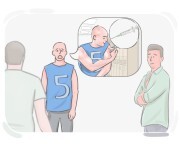
叫ぶ, 悲鳴を上げる

Ex: In the haunted house, visitors would scream in fear as actors surprised them with spooky scenes. 
to admit
to admit
[動詞]

to agree with the truth of something, particularly in an unwilling manner

認める, 告白する

認める, 告白する

Ex: By this time, she has already admitted to breaking the vase. 
to chat
to chat
[動詞]

to exchange messages with someone through an online service or app
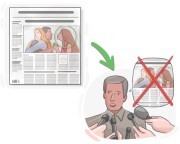
Ex: Emma chats with her cousins online every evening. 
to deny
to deny
[動詞]

to refuse to admit the truth or existence of something

否定する, 否認する

否定する, 否認する

Ex: He continued to deny the allegations despite the overwhelming evidence. 
to praise
to praise
[動詞]

to express approval or admiration for someone or something

褒める

褒める

Ex: The teacher praised Emma for helping a new student. 
to suggest
to suggest
[動詞]

to mention an idea, proposition, plan, etc. for further consideration or possible action

提案する,  勧める
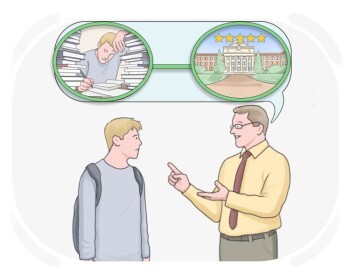
提案する, 勧める

Ex: She suggested a new approach to solving the problem. 
to advise
to advise
[動詞]

to provide someone with suggestion or guidance regarding a specific situation

助言する, 勧める

助言する, 勧める

Ex: He advised me to read more books to improve my vocabulary and comprehension skills. 
to command
to command
[動詞]

to give an official order to a person or an animal to perform a particular task

命令する, 指揮する

命令する, 指揮する

Ex: The general commanded the soldiers to hold their positions until further notice. 
to discuss
to discuss
[動詞]

to talk about something with someone, often in a formal manner

議論する, 話し合う

議論する, 話し合う

Ex: The manager discussed the sales targets with the staff. 
to protest
to protest
[動詞]

to show disagreement by taking action or expressing it verbally, particularly in public

抗議する, デモを行う

抗議する, デモを行う

Ex: The community members held signs and chanted slogans to protest the closure of their local library. 
to whisper
to whisper
[動詞]

to speak very softly or quietly, usually to avoid being overheard by others who are nearby

ささやく, ひそひそ話す
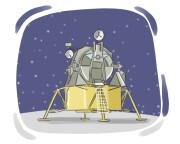
ささやく, ひそひそ話す

Ex: The children giggled as they whispered to each other during storytime. 
lunar module
lunar module
[名詞]

a spacecraft designed for travel and operations on the surface of the moon, typically used as part of a lunar mission or expedition

月着陸船, 月面車

月着陸船, 月面車

Ex: Astronauts in the lunar module spent several hours exploring the Moon's surface. 

月着陸船の宇宙飛行士は、月の表面を探索するために数時間を費やしました。

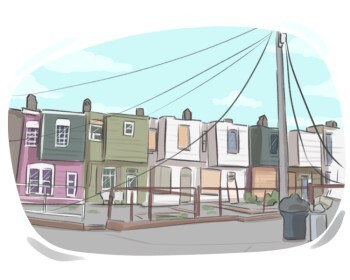
slum
slum
[名詞]

(often plural) a very poor and overpopulated area of a city or town in which the houses are not in good condition

スラム, 貧民街

スラム, 貧民街

Ex: He advocates for better housing solutions for people in slums. 

彼はスラム街に住む人々のためのより良い住宅解決策を提唱しています。

crewman
crewman
[名詞]

a person who is part of the team responsible for the operation, maintenance, and tasks associated with a vessel, such as a ship or boat

乗組員, 船員

乗組員, 船員

matter of fact

something based on real facts, without any opinions or feelings
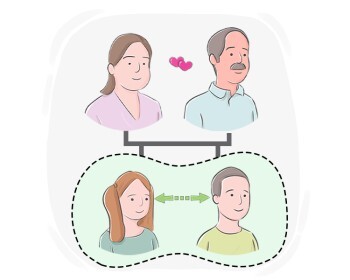
Ex: The matter of fact is that we missed the deadline. 
sibling
sibling
[名詞]

one's brother or sister

兄弟姉妹, シブリング

兄弟姉妹, シブリング

Ex: She has a close relationship with her sibling and talks to her every day. 

彼女は兄弟姉妹と親密な関係にあり、毎日話しています。

alcoholic
alcoholic
[名詞]

a person who has the habit of drinking too much alcohol

アルコール依存症者, 酔っ払い

アルコール依存症者, 酔っ払い

Ex: The alcoholic sought help to overcome their addiction. 

アルコール依存症者は、自分の依存症を克服するために助けを求めた。

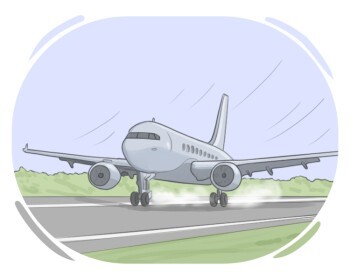
landing
landing
[名詞]

the act of bringing an aircraft or spacecraft down onto a surface

着陸, 上陸
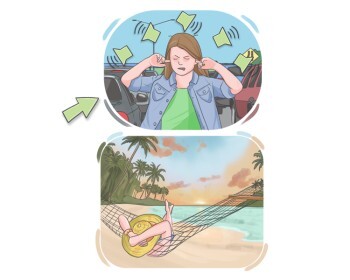
着陸, 上陸

Ex: The plane made a smooth landing despite the strong wind. 
appalling
appalling
[形容詞]

so shocking or unexpected that it causes strong emotional reactions like disbelief or horror

衝撃的な, 恐ろしい
衝撃的な, 恐ろしい

Ex: The news of the sudden collapse of the bridge was appalling to the entire community. 
suffering
suffering
[名詞]

physical or mental pain, distress, or unhappiness

苦しみ,  苦痛

苦しみ, 苦痛

Ex: The treatment helped reduce Emma's suffering. 
to cuddle
to cuddle
[動詞]

to hold close in one's arms or embrace affectionately, especially in a loving or comforting manner

抱きしめる, 寄り添う

抱きしめる, 寄り添う

Ex: After a long day, she loves to cuddle with her partner on the couch to relax and unwind. 

長い一日の後、彼女はソファでパートナーと寄り添うのが好きで、リラックスしてくつろぎます。
public
public
[形容詞]

connected with the general people or society, especially in contrast to specific groups or elites

公共の, 一般の

公共の, 一般の

Ex: The museum exhibits showcase artifacts of public interest and historical significance. 
appearance
appearance
[名詞]

the way that someone or something looks

外見, 見た目

外見, 見た目

Ex: She was nervous about her appearance before the job interview. 
tunnel vision

a condition in which someone can only see what is in front of them, due to their eyes are being damaged

トンネルビジョン, 筒状視野

トンネルビジョン, 筒状視野

Ex: Tunnel vision often makes it hard to see the bigger picture, both literally and metaphorically. 

トンネルビジョンは、文字通りにも比喩的にも、全体像を見るのを難しくすることがよくあります。

earthrise
earthrise
[名詞]

the view of the Earth rising above the horizon of the Moon, often seen from a spacecraft or lunar surface

地球の出, 地球の夜明け

地球の出, 地球の夜明け

Ex: Astronauts were awe-struck when they saw the earthrise from their spacecraft. 

宇宙飛行士たちは、宇宙船から地球の出を見たときに畏敬の念を抱きました。

to offer
to offer
[動詞]

to present or propose something to someone

提供する, 提案する
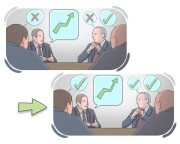
提供する, 提案する

Ex: The restaurant offered a diverse menu to cater to various culinary preferences. 
to persuade
to persuade
[動詞]

to make a person do something through reasoning or other methods

説得する, 納得させる
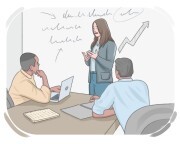
説得する, 納得させる

Ex: The activist worked tirelessly to persuade the community to participate in environmental conservation efforts. 
to explain
to explain
[動詞]

to make something clear and easy to understand by giving more information about it

説明する, 解説する

説明する, 解説する

Ex: He struggled to explain his ideas clearly to the team. 
to promise
to promise
[動詞]

to tell someone that one will do something or that a particular event will happen

約束する, 誓う

約束する, 誓う

Ex: She promised that she would call me later. 
to ask
to ask
[動詞]

to use words in a question form or tone to get answers from someone

尋ねる, 質問する
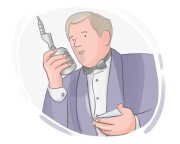
尋ねる, 質問する

Ex: Did you ask him about his plans for the weekend? 
to announce
to announce
[動詞]

to make plans or decisions known by officially telling people about them

発表する, 告知する

発表する, 告知する

Ex: The coach is announcing the starting lineup for the championship game. 
to encourage
to encourage
[動詞]

to provide someone with support, hope, or confidence

励ます, 支援する
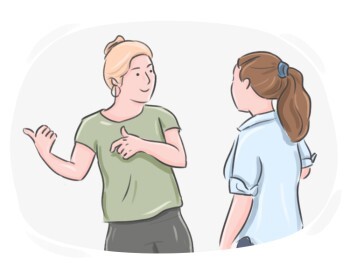
励ます, 支援する

Ex: The mentor continued to encourage her mentee, reminding her of the progress she had made and the potential for future success. 
to invite
to invite
[動詞]

to make a formal or friendly request to someone to come somewhere or join something

招待する, 招く

招待する, 招く

Ex: She invites friends over for dinner every Friday night. 
LanGeek
LanGeekアプリをダウンロード