pattern

本 Interchange - 中上級 - ユニット8

ここでは、Interchange Upper-Intermediate教科書のユニット8からの語彙が見つかります。例えば「忍耐」、「反対する」、「競争力」などです。

復習

フラッシュカード

綴り

クイズ
学習を開始
Interchange - Upper-intermediate
anywhere
anywhere
[副詞]

in, at, or to any place, without specifying where

Ex: You can sit anywhere you like. 
anytime
anytime
[副詞]

without restriction to a specific time

いつでも,好きな時に

いつでも,好きな時に

Ex: You can drop by my office anytime if you have questions. 

質問があれば、いつでも私のオフィスに立ち寄ってください。

college
college
[名詞]

an institution that offers higher education or specialized trainings for different professions

大学,カレッジ

大学,カレッジ

Ex: We have access to a library with extensive resources at college. 

私たちは大学で広範なリソースを持つ図書館にアクセスできます。

course
course
[名詞]

a series of classes or lessons designed to teach a particular subject or skill

a series of classes or lessons designed to teach a particular subject or skill
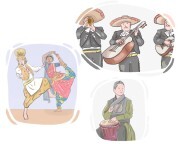
a series of classes or lessons designed to teach a particular subject or skill

Ex: Sarah enrolled in an online course to improve her English. 
traditional
traditional
[形容詞]

belonging to or following the methods or thoughts that are old as opposed to new or different ones

伝統的な,古典的な

伝統的な,古典的な

Ex: The restaurant offers a traditional menu, focusing on familiar comfort foods rather than trendy dishes. 

レストランは、トレンディな料理ではなく、親しみのあるコンフォートフードに焦点を当てた伝統的なメニューを提供しています。

to attend
to attend
[動詞]

to be present at a meeting, event, conference, etc.

出席する,参加する

出席する,参加する

Ex: Employees must attend the mandatory training session next week. 

従業員は来週の必須トレーニングセッションに出席しなければなりません。

conference
conference
[名詞]

an official meeting where a group of people discuss a certain matter, which often continues for days

会議

会議

Ex: He attended a three-day conference on climate change in Berlin. 

彼はベルリンで開催された気候変動に関する3日間の会議に出席しました。

lecture
lecture
[名詞]

a talk given to an audience about a particular subject to educate them, particularly at a university or college

講義,講演

講義,講演

Ex: The lecture on ancient philosophy lasted for two hours. 

古代哲学に関する講義は2時間続いた。

degree
degree
[名詞]

the certificate that is given to university or college students upon successful completion of their course

学位

学位

Ex: He is working toward his law degree at the university. 

彼は大学で法律の学位を取得するために働いています。

to expand
to expand
[動詞]

to become something greater in quantity, importance, or size

拡大する,広げる

拡大する,広げる

Ex: The company's operations expanded rapidly, opening new branches in multiple cities. 

同社の事業は急速に拡大し、複数の都市に新しい支店を開設しました。

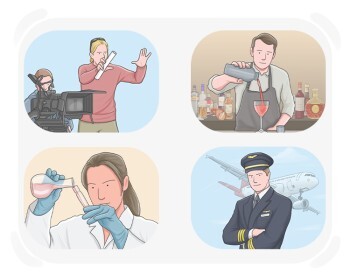
career
career
[名詞]

a profession or a series of professions that one can do for a long period of one's life

キャリア,職業

キャリア,職業

Ex: Nursing offers a rewarding career helping others in need. 

看護は、困っている人々を助けることで、やりがいのあるキャリアを提供します。

path
path
[名詞]

a way or track that is built or made by people walking over the same ground

小道,道

小道,道

Ex: The garden path was covered in autumn leaves. 

庭の小道は秋の葉で覆われていました。

promotion
promotion
[名詞]

an act of raising someone to a higher rank or position

昇進,昇格

昇進,昇格

Ex: She was thrilled to receive a promotion at work. 

彼女は仕事で昇進を受けてとても嬉しかった。

professional
professional
[形容詞]

doing an activity as a job and not just for fun

プロフェッショナル

プロフェッショナル

Ex: As a professional musician, he performs regularly at concerts and events. 

プロの音楽家として、彼は定期的にコンサートやイベントで演奏します。

license
license
[名詞]

a legal document that gives someone permission to do something, such as drive a car or practice a profession

ライセンス,許可

ライセンス,許可

Ex: He showed his business license to prove his company was registered. 

彼は会社が登録されていることを証明するために営業許可証を見せた。

certification

a document or official statement attesting to the fact that someone has met certain standards or requirements

認証

認証

reason
reason
[名詞]

something that explains an action or event

理由,原因

理由,原因

Ex: One possible reason for the increase in temperature is global warming. 

気温上昇の一つの可能な理由は地球温暖化です。

center
center
[名詞]

the middle part or point of an area or object

中心,中央

中心,中央

Ex: The town's main shopping center is always busy with people. 

町のメインショッピングセンターはいつも人でいっぱいです。

education
education
[名詞]

the process of teaching and learning, especially in schools, colleges, or universities
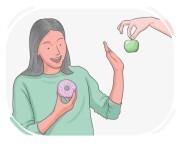
Ex: Every child deserves access to a good education. 
to prefer
to prefer
[動詞]

to like or value someone or something more than another and therefore choose them when given a choice
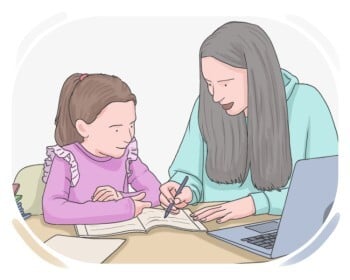
Ex: Sarah prefers coffee to tea in the morning. 
tutor
tutor
[名詞]

a person who gives private or additional instruction to one student or a small group

家庭教師,チューター

家庭教師,チューター

Ex: Emma hired a math tutor to help her prepare for the exam. 
to expect
to expect
[動詞]

to think or believe that it is possible for something to happen or for someone to do something

期待する,予想する

期待する,予想する

Ex: The teacher outlined what students could expect on the upcoming exam. 

教師は、学生が次の試験で何を期待できるかを概説しました。

actually
actually
[副詞]

used to emphasize what is true or what really happened

Ex: Sarah didn't actually see the accident; she only heard the noise. 
to review
to review
[動詞]

to reconsider something, especially in order to make a decision about it or make modifications to it

検討する,見直す

検討する,見直す

Ex: Before signing the contract, the lawyer will review the terms and conditions to ensure they align with the client's interests. 

契約に署名する前に、弁護士はクライアントの利益に沿っていることを確認するために、規約を見直します。
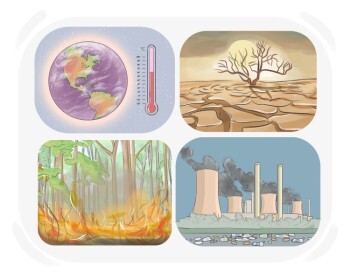
competitiveness

the desire to win or succeed in a contest or rivalry with others

競争力

競争力

concern
concern
[名詞]

a subject of significance or interest to someone or something

懸念,関心

懸念,関心

Ex: She expressed her concern about the rising costs of living. 

彼女は生活費の上昇について懸念を表明した。

cooperation
cooperation
[名詞]

the act or process of working together for a shared purpose or benefit

協力, 共同

協力, 共同

Ex: Close cooperation between the two departments improved the project. 
creativity
creativity
[名詞]

the ability to use imagination in order to bring something new into existence

創造性

創造性

Ex: Her creativity helped her find an unusual solution to the problem. 
perseverance
perseverance
[名詞]

the quality of persistently trying in spite of difficulties

忍耐

忍耐

Ex: His perseverance through years of grueling training finally paid off when he won the marathon. 

何年もの過酷な訓練を通じた彼の忍耐力は、マラソンで勝利したときにようやく報われた。

self-confidence

the belief and trust in oneself and one's abilities

自信,自己信頼

自信,自己信頼

Ex: Her self-confidence grew as she successfully completed each challenge. 

彼女の自信は、それぞれの挑戦を成功裏に完了するにつれて高まった。

self-discipline

the ability to control one's behavior and actions in order to achieve a goal or complete a task

自己規律,自制心

自己規律,自制心

Ex: Waking up at 5 AM daily for workouts requires strong self-discipline. 

毎日午前5時に起きてワークアウトするには、強い自己規律が必要です。

tolerance
tolerance
[名詞]

willingness to accept behavior or opinions that are against one's own

寛容

寛容

Ex: The community prided itself on its tolerance, welcoming people of all backgrounds and beliefs. 

コミュニティはその寛容さを誇りとし、あらゆる背景や信念を持つ人々を歓迎しました。
martial arts
martial arts
[名詞]

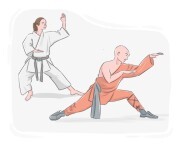
any type of sports that include fighting which are especially originated in the Far East, such as judo, kung fu, etc.

武道,格闘技

武道,格闘技

Ex: He has been studying martial arts since he was a child, starting with karate and later branching out into jiu-jitsu. 

彼は子供の頃から武道を学んでおり、空手から始まり、後に柔術に広がりました。

budget
budget
[名詞]

a specific amount of money set aside for a particular use

予算,予算配分

予算,予算配分

Ex: She saved part of her budget for emergencies. 

彼女は緊急事態のために予算の一部を節約しました。

expense
expense
[名詞]

the amount of money spent to do or have something

費用, 出費

費用, 出費

Ex: When planning a trip, it's essential to consider all potential expenses, including accommodations, transportation, and meals. 

旅行を計画する際には、宿泊、交通、食事を含むすべての潜在的な費用を考慮することが不可欠です。

penny
penny
[名詞]

a US coin worth one cent, or one hundredth of a dollar

ペニー, セント

ペニー, セント

Ex: I found a penny on the sidewalk. 
habit
habit
[名詞]

something that you regularly do almost without thinking about it, particularly one that is hard to give up or stop doing

習慣,習わし

習慣,習わし

Ex: My brother has the annoying habit of interrupting others. 

私の兄は他人を邪魔するという迷惑な癖があります。

to surround
to surround
[動詞]

to be around something on all sides

囲む,取り囲む

囲む,取り囲む

Ex: The mountains surround the village, creating a scenic view. 

山々が村を囲み、風景の良い眺めを作り出しています。

clutter
clutter
[名詞]

a number of objects scattered around in a messy and untidy way

散らかり,混乱

散らかり,混乱

Ex: The desk was covered in clutter from unfinished work. 

机は未完成の仕事からの散らかりで覆われていた。

silent
silent
[形容詞]

having or making little or no sound

静かな,音のない

静かな,音のない

Ex: The silent forest was only disturbed by the occasional rustle of leaves. 

静かな森は、時折の葉のさらさらという音だけで乱されていた。

constantly
constantly
[副詞]

in a way that continues without any pause

絶えず、継続的に

絶えず、継続的に

Ex: She was constantly checking her phone for messages. 

彼女はメッセージのために電話を絶えずチェックしていました。

to claim
to claim
[動詞]

to say that something is the case without providing proof for it

主張する,断言する

主張する,断言する

Ex: The explorer claimed to have discovered a hidden treasure. 

探検家は隠された宝物を発見したと主張した。

to assume
to assume
[動詞]

to accept or believe something to be true without having definite proof

Ex: I assumed you had already eaten, so I didn't prepare dinner. 
uncluttered
uncluttered
[形容詞]

free from mess or untidiness

散らかっていない,整然とした

散らかっていない,整然とした

necessarily
necessarily
[副詞]

in a way that is unavoidable or follows as a necessary result

Ex: Learning a new language necessarily involves making mistakes. 
to judge
to judge
[動詞]

to form an opinion about someone or something after considering the available information
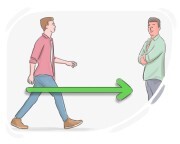
Ex: It's difficult to judge the quality of a product from photographs alone. 
to approach
to approach
[動詞]

to go close or closer to something or someone

近づく,接近する

近づく,接近する

Ex: She approached the podium with confidence before giving her speech. 

彼女はスピーチをする前に自信を持って演壇に近づいた。

curious
curious
[形容詞]

interested in learning or finding out about people, things, or situations

好奇心旺盛な
好奇心旺盛な

Ex: Children are naturally curious about the world around them. 
despite
despite
[前置詞]

used to show that something happened or is true, even though there was a difficulty or obstacle that might have prevented it

にもかかわらず,にも関わらず

にもかかわらず,にも関わらず

Ex: They enjoyed the trip despite the cold weather. 

彼らは寒い天候にもかかわらず旅行を楽しんだ。

to oppose
to oppose
[動詞]

to strongly disagree with a policy, plan, idea, etc. and try to prevent or change it

反対する,抵抗する

反対する,抵抗する

Ex: They opposed the company's decision to cut employee benefits, leading to a protest. 

彼らは従業員の福利厚生を削減するという会社の決定に反対し、それが抗議につながった。

identical
identical
[形容詞]

similar in every detail and totally alike

同一の,同じ

同一の,同じ

Ex: The two paintings are so identical that even art experts struggle to differentiate them. 

2つの絵はとても同じので、芸術の専門家でさえそれらを区別するのに苦労します。
busy
busy
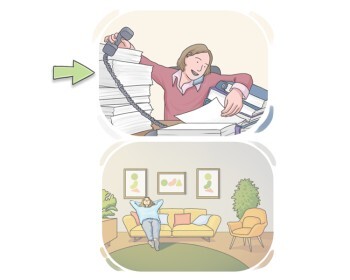
[形容詞]

having so many things to do in a way that leaves not much free time

忙しい,多忙な

忙しい,多忙な

Ex: As a small business owner, Mark is always busy with managing orders, inventory, and customer inquiries. 

小さなビジネスのオーナーとして、マークは注文、在庫、顧客の問い合わせの管理で常に忙しい。

ambition
ambition
[名詞]

something that a person strongly wants to achieve

野心,大望

野心,大望

Ex: Emma's greatest ambition is to become a doctor. 
attorney
attorney
[名詞]

a lawyer who represents someone in a court of law

弁護士,法律代理人

弁護士,法律代理人

Ex: They hired an attorney to represent them in the business dispute. 

彼らはビジネス上の争いで自分たちを代表するために弁護士を雇った。

defender
defender
[名詞]

a player whose main role is to prevent the opposing team from scoring

ディフェンダー, 守備者

ディフェンダー, 守備者

Ex: The defender blocked the shot before it reached the goalkeeper. 
buddy
buddy
[名詞]

a close friend

友達,仲間

友達,仲間

Ex: James and David have been best buddies since they were kids, always looking out for each other. 

ジェームズとデイビッドは子供の頃から親友で、いつもお互いを気にかけています。

chance
chance
[名詞]

a possibility arising from favorable circumstances

機会,チャンス

機会,チャンス

Ex: The lucky break gave him a chance at promotion. 

幸運な出来事が彼に昇進のチャンスを与えた。

LanGeek
LanGeekアプリをダウンロード