pattern

本 Insight - 中級 - ユニット5 - 5A

ここでは、Insight Intermediate教科書のユニット5 - 5Aからの語彙が見つかります。例えば「不運」、「自宅軟禁」、「処刑する」などです。

レビュー

フラッシュカード

綴り

クイズ

学習を開始
Insight - Intermediate
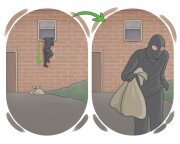
theft
theft
[名詞]

the illegal act of taking something from a place or person without permission

窃盗

窃盗

Ex: The police launched an investigation into the theft of expensive jewelry from the local boutique. 

警察は地元のブティックからの高価な宝石の盗難について調査を開始しました。

misfortune
misfortune
[名詞]

a situation or event that causes bad luck or hardship for someone

不幸, 不運

不幸, 不運

Ex: He faced great misfortune after losing his job. 

彼は仕事を失った後、大きな不幸に直面した。

dishonesty
dishonesty
[名詞]

the act of not telling the truth or deliberately misleading someone in order to gain an advantage or avoid punishment

不正直

不正直

Ex: His dishonesty was revealed when he was caught lying about his qualifications. 

彼の不誠実さは、資格について嘘をついているところを捕まったときに明らかになった。

disagreement
disagreement
[名詞]

an argument or a situation in which people have different opinions about something

不一致

不一致

Ex: The meeting ended in disagreement as team members could not reach a consensus on the project's direction. 

会議は意見の相違で終わりました。チームメンバーはプロジェクトの方向性について合意に達することができませんでした。

misbehavior
misbehavior
[名詞]

behavior that is inappropriate or unacceptable according to social norms or rules

不正行為, 不適切な行動

不正行為, 不適切な行動

Ex: The teacher punished him for his misbehavior. 

先生は彼の不正行為を罰した。

disrespect
disrespect
[名詞]

an action or speech that offends a person or thing

失礼, 無礼

失礼, 無礼

Ex: They were upset by the disrespect shown towards their culture. 

彼らは自分たちの文化に対して示された軽蔑に動揺した。

mistreatment
mistreatment
[名詞]

the act of treating someone in a cruel, abusive, or unfair way, often causing physical or emotional harm

虐待, 不当な扱い

虐待, 不当な扱い

Ex: He suffered mistreatment at the hands of his employer. 

彼は雇い主の手によって虐待を受けた。

disbelief
disbelief
[名詞]

the state of not believing or accepting something as true or real

不信, 疑念

不信, 疑念

Ex: She stared in disbelief at the news. 

彼女はその知らせを不信感で見つめた。

council
council
[名詞]

a group of elected people who govern a city, town, etc.

議会, 評議会

議会, 評議会

Ex: Residents can submit complaints to the council office. 

住民は評議会事務所に苦情を提出することができます。

mentor
mentor
[名詞]

a reliable and experienced person who helps those with less experience

メンター, 指導者

メンター, 指導者

Ex: The aspiring artist found a mentor who provided valuable feedback and encouragement to help him develop his artistic skills. 

志望するアーティストは、彼の芸術的スキルを開発するのに役立つ貴重なフィードバックと励ましを提供したメンターを見つけました。
punishment
punishment
[名詞]

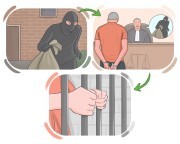
the act of making someone suffer because they have done something illegal or wrong

罰, 処罰

罰, 処罰

Ex: The judge handed down a severe punishment to the convicted criminal, sentencing them to several years in prison. 

裁判官は有罪判決を受けた犯罪者に厳しい罰を下し、彼らに数年間の刑務所刑を宣告しました。

armed
armed
[形容詞]

equipped with weapons or firearms

武装した, 武器を装備した

武装した, 武器を装備した

Ex: The armed soldiers stood guard at the entrance to the military base. 

武装した兵士たちが軍事基地の入り口で警護に立っていた。

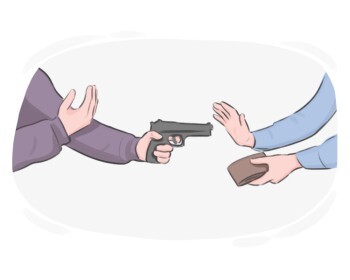
robbery
robbery
[名詞]

the crime of stealing money or goods from someone or somewhere, especially by violence or threat

強盗, 窃盗

強盗, 窃盗

Ex: The bank was the target of a robbery, with the thieves escaping with a large sum of money. 

銀行は強盗の標的となり、泥棒は多額の金を持って逃げた。

community service

unpaid work done either as a form of punishment by a criminal or as a voluntary service by a citizen

社会奉仕, コミュニティサービス

社会奉仕, コミュニティサービス

Ex: After being convicted of vandalism, he was sentenced to 100 hours of community service. 

破壊行為で有罪判決を受けた後、彼は100時間の社会奉仕を命じられた。

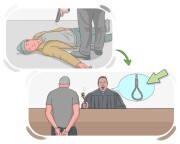
death penalty

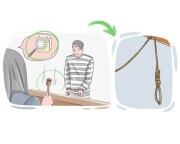
the punishment of killing a criminal, which is officially ordered by a court

死刑, 死罪

死刑, 死罪

Ex: The court sentenced him to the death penalty. 

裁判所は彼に死刑を宣告した。

gang
gang
[名詞]

a group of criminals who work together

ギャング, 暴力団
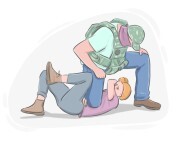
ギャング, 暴力団

Ex: She was pressured into joining a gang by her peers at school. 

彼女は学校の仲間からギャングに加わるよう圧力をかけられた。

violence
violence
[名詞]

a crime that is intentionally directed toward a person or thing to hurt, intimidate, or kill them

暴力, 残忍さ

暴力, 残忍さ

Ex: He was arrested for using violence against a stranger. 

彼は見知らぬ人に対して暴力を使ったとして逮捕された。

house arrest
house arrest
[名詞]

a type of sentence or punishment where a person is confined to their home instead of being in jail or prison

自宅軟禁, 在宅拘禁

自宅軟禁, 在宅拘禁

Ex: The judge sentenced him to house arrest. 

裁判官は彼に自宅軟禁を言い渡した。

fraud
fraud
[名詞]

the act of cheating in order to make illegal money

詐欺, 不正

詐欺, 不正

Ex: He was arrested for fraud after it was discovered that he had been falsifying financial records for years. 

彼は何年も財務記録を改ざんしていたことが発覚した後、詐欺で逮捕されました。

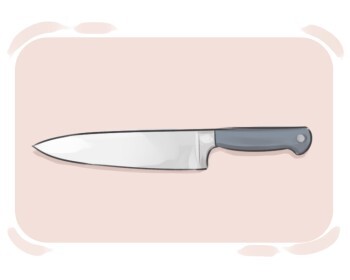
knife
knife
[名詞]

a sharp blade with a handle that is used for cutting or as a weapon

ナイフ, 刃
ナイフ, 刃

Ex: He carefully peeled the apple with a sharp knife. 

彼は鋭いナイフで慎重にリンゴの皮をむいた。

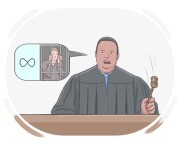
life sentence

the punishment in which an individual is made to stay in jail for the rest of their life, typically for committing a serious crime

終身刑

終身刑

Ex: The convicted murderer was given a life sentence for his crimes. 

有罪判決を受けた殺人犯は、その犯罪に対して終身刑を宣告された。

petty
petty
[形容詞]

having little significance

取るに足らない, ささいな

取るに足らない, ささいな

Ex: The argument stemmed from a petty disagreement over office supplies. 

その議論は、事務用品に関するささいな意見の相違から生じた。

prison term
prison term
[名詞]

the length of time someone must spend in jail or prison as a punishment for breaking the law

刑期, 懲役期間

刑期, 懲役期間

Ex: He served a five-year prison term. 

彼は5年間の刑期を務めた。

fine
fine
[名詞]

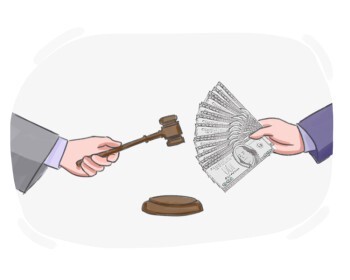
an amount of money that must be paid as a legal punishment

罰金, 過料
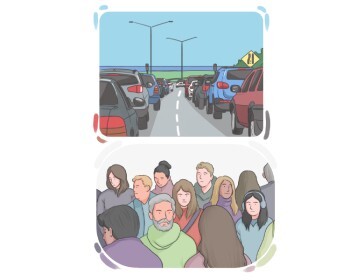
罰金, 過料

Ex: The court imposed a fine on the company for environmental violations. 

裁判所は環境違反に対して会社に罰金を科した。

traffic
traffic
[名詞]

the coming and going of cars, airplanes, people, etc. in an area at a particular time

交通, トラフィック

交通, トラフィック

Ex: The traffic on the highway was heavy during rush hour. 

ラッシュアワーの間、高速道路の交通は混雑していた。

to execute
to execute
[動詞]

to kill someone, especially as a legal penalty

処刑する, 死刑を執行する

処刑する, 死刑を執行する

Ex: The condemned criminal was executed by lethal injection after exhausting all appeals. 

有罪判決を受けた犯罪者は、すべての上訴を尽くした後、致死注射により処刑されました。

jail
jail
[名詞]

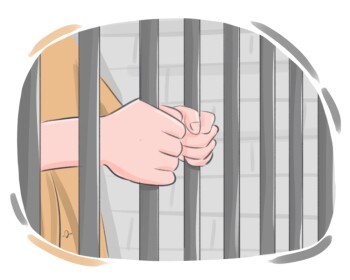
a place where criminals are put into by law as a form of punishment for their crimes

刑務所, 牢獄

刑務所, 牢獄

Ex: She was sentenced to a year in jail for her involvement in the robbery. 

彼女は強盗への関与で1年間の刑務所に処せられた。

illegal
illegal
[形容詞]

forbidden by the law

違法, 法律で禁止されている

違法, 法律で禁止されている

Ex: Selling drugs on the street is illegal and punishable by law. 

路上で薬物を売ることは違法であり、法律で罰せられます。

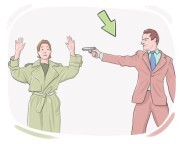
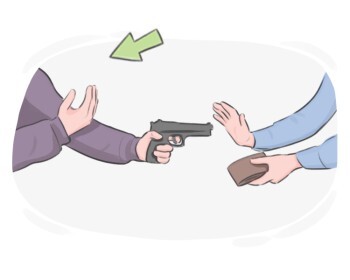
gunpoint
gunpoint
[名詞]

the direction in which the gun is aimed

照準点, 銃身

照準点, 銃身

Ex: The robber held the cashier at gunpoint. 

強盗はレジ係を銃で脅した。

to terrorize
to terrorize
[動詞]

to force someone to act or obey by instilling intense fear, often through threats or violence

恐怖に陥れる, 威嚇する

恐怖に陥れる, 威嚇する

Ex: The dictator used his army to terrorize the population into submission. 

独裁者は軍隊を使って人口を恐怖に陥れ、服従させた。

mugger
mugger
[名詞]

a person who attacks and robs people in a public place

強盗, ひったくり

強盗, ひったくり

Ex: The mugger approached her in the dark alley and demanded that she hand over her purse. 

強盗は暗い路地で彼女に近づき、ハンドバッグを渡すよう要求した。

shoplifter
shoplifter
[名詞]

a person who secretly takes goods from a store without paying

万引き犯, 泥棒

万引き犯, 泥棒

Ex: The shoplifter was caught hiding items in their bag. 

万引き犯はバッグに商品を隠しているところを捕まった。

thief
thief
[名詞]

someone who steals something from a person or place without using violence or threats

泥棒, 盗人

泥棒, 盗人

Ex: The thief was caught on camera as he sneaked into the store and took a handful of electronics. 

泥棒は店に忍び込み、一握りの電子機器を盗んでいる所をカメラで捉えられた。

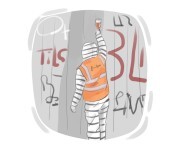
vandal
vandal
[名詞]

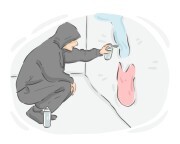
someone who intentionally damages or destroys public or private property

破壊者, 公共物を故意に破壊する人

破壊者, 公共物を故意に破壊する人

Ex: The police were searching for the vandal who spray-painted graffiti on the walls of the historic building. 

警察は、歴史的建造物の壁にスプレーペイントで落書きした破壊者を探していた。

offender
offender
[名詞]

a person who commits a crime

犯罪者, 犯人

犯罪者, 犯人

Ex: The police apprehended the offender and took him into custody. 

警察は犯罪者を逮捕し、拘束しました。

crime
crime
[名詞]

an unlawful act that is punishable by the legal system

犯罪,  罪

犯罪, 罪

Ex: The police are investigating the crime that occurred last night. 

警察は昨夜発生した犯罪を調査しています。

offense
offense
[名詞]

any type of behavior or expression that is disrespectful, hurtful, or unpleasant towards another person or group of people

侮辱, 冒涜

侮辱, 冒涜

Ex: Her comment was seen as an offense, though it wasn’t intended to be hurtful. 

彼女のコメントは、傷つけるつもりはなかったにもかかわらず、侮辱と見なされました。

LanGeek
LanGeekアプリをダウンロード