
pattern

SAT 語彙スキル 4 - レッスン 35

レビュー

フラッシュカード

綴り

クイズ

学習を開始
SAT Word Skills 4
frenetic
frenetic
[形容詞]

fast-paced, frantic, and filled with intense energy or activity

狂乱の, 猛烈な

狂乱の, 猛烈な

Ex: The frenetic pace of the city can be overwhelming for newcomers. 

都市の狂乱したペースは、新参者にとって圧倒されることがあります。

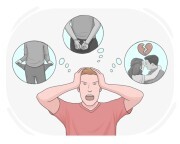
frantic
frantic
[形容詞]

greatly frightened and worried about something, in a way that is uncontrollable

狂乱した, パニックになった

狂乱した, パニックになった

Ex: She became frantic when she couldn't find her child in the crowded mall. 

彼女は混雑したショッピングモールで子供を見つけられずパニックになりました。

lexicon
lexicon
[名詞]

the complete set of meaningful units in a language or a branch of knowledge, or words or phrases that a speaker uses

語彙, 辞書

語彙, 辞書

Ex: The lexicon of a language encompasses all the words and phrases that speakers use to communicate meaning. 

言語の語彙は、話者が意味を伝えるために使用するすべての単語やフレーズを含んでいます。

lexicography
lexicography
[名詞]

the practice and study of compiling, editing, and writing dictionaries, focusing on the principles and methods of dictionary creation

辞書編集学, 辞書の編集、編集、執筆の実践と研究

辞書編集学, 辞書の編集、編集、執筆の実践と研究

Ex: The company hired several experts in lexicography to ensure the new edition of the dictionary would be accurate and up-to-date. 

会社は、新しい辞書の版が正確で最新であることを保証するために、辞書編集の専門家を数人雇いました。

lexicographer

a person whose job is to write and edit a dictionary

辞書編集者, 辞書の編集者

辞書編集者, 辞書の編集者

Ex: Emily aspired to become a lexicographer and spent years studying linguistics and compiling dictionaries. 

エミリーは辞書編集者になることを志し、言語学を学び辞書を編纂することに何年も費やした。
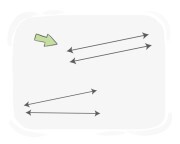
parallel
parallel
[形容詞]

having an equal distance from each other at every point

平行, 等距離の
平行, 等距離の

Ex: The two walls are parallel in the room. 
to paralyze
to paralyze
[動詞]

to cause a person, animal, or part of the body to lose the ability to move or function, usually due to injury or illness

麻痺させる, 動けなくする

麻痺させる, 動けなくする

Ex: The accident unfortunately paralyzed his legs, leaving him unable to walk. 

残念ながら、その事故は彼の足を麻痺させ、歩けなくしてしまった。

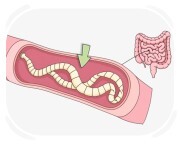
parasite
parasite
[名詞]

(biology) a small organism that lives on or inside another organism, called a host, and is dependent on it for nutrition and growth

寄生虫, 寄生生物

寄生虫, 寄生生物

Ex: The mosquito is a well-known parasite that feeds on the blood of its host, often transmitting diseases in the process. 
disrepute
disrepute
[名詞]

the state of being held in low regard or having a bad reputation

不名誉, 悪評

不名誉, 悪評

Ex: The company's involvement in the scandal led to its disrepute. 

その会社がスキャンダルに関与したことで、評判を落とす結果となった。

disreputable
disreputable
[形容詞]

having a bad reputation, often due to dishonesty or unethical behavior

評判の悪い, 不名誉な

評判の悪い, 不名誉な

Ex: The company's disreputable history made investors wary of its future prospects. 

その会社の評判の悪い歴史は、投資家たちにその将来の見通しを警戒させた。

to hap
to hap
[動詞]

to happen by chance

起こる, 生じる

起こる, 生じる

Ex: It was said that the old witch could foresee what would hap in the coming days. 

その老婆は、来る日々に何が起こるかを予見できると言われていた。

haphazard
haphazard
[形容詞]

with no particular order and planning

でたらめな, 無作為な

でたらめな, 無作為な

Ex: The books on the shelf were placed in a haphazard way, making it difficult to find anything. 

棚の上の本はでたらめに置かれていたので、何かを探すのが難しかった。

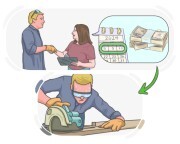
to obligate
to obligate
[動詞]

to make someone do something, typically through legal, moral, or social means

義務付ける, 強制する

義務付ける, 強制する

Ex: The signed agreement obligates both parties to adhere to the terms and conditions outlined within. 

署名された契約は、双方がその中に概説された条件に従うことを義務付けます。

oblong
oblong
[形容詞]

having an elongated shape as an oval

楕円形の, 細長い

楕円形の, 細長い

Ex: The dining table had an oblong shape, comfortably seating a large number of guests. 

ダイニングテーブルは楕円形で、多くのゲストを快適に座らせることができました。

obloquy
obloquy
[名詞]

a false charge or a deliberately harmful misrepresentation of someone's words, actions, or character, intended to damage their reputation

中傷, 名誉毀損

中傷, 名誉毀損

Ex: The politician sued over the obloquy spread in the rival's campaign ads. 

政治家は、対立候補の選挙キャンペーン広告で広められた中傷に対して訴訟を起こした。

plaintiff
plaintiff
[名詞]

a person who brings a lawsuit against someone else in a court

原告, 申立人

原告, 申立人

Ex: The judge asked the plaintiff to clarify their allegations during the trial. 
plaintive
plaintive
[形容詞]

showing sadness, typically in a mild manner

哀れな, 物悲しい

哀れな, 物悲しい

Ex: She gave a plaintive sigh as she looked out the window. 

彼女は窓の外を見ながら哀れっぽいため息をついた。

to insinuate
to insinuate
[動詞]

to gradually move oneself or a thing into a particular place or position by elusive manipulation

ほのめかす, そっと入れる

ほのめかす, そっと入れる

Ex: The politician insinuated her agenda into the committee's discussions without directly addressing it. 

その政治家は、直接言及することなく委員会の議論に自分のアジェンダを忍び込ませた。

to insulate
to insulate
[動詞]

to create a barrier or division between entities or systems

絶縁する, 保護する

絶縁する, 保護する

Ex: The plastic casing insulates the electrical wires, preventing them from coming into contact with other materials. 

プラスチックケーシングは電線を絶縁し、他の材料との接触を防ぎます。

insouciant
insouciant
[形容詞]

having an unconcerned attitude, especially in situations where others might feel worried

無頓着な, 気にしない

無頓着な, 気にしない

Ex: His insouciant attitude toward his homework made it clear he wasn’t worried about grades. 

宿題に対する彼の無頓着な態度は、成績を気にしていないことを明らかにしていた。

LanGeek
LanGeekアプリをダウンロード