
Abilități Lexicale pentru SAT 4 - Lecția 35
Revizuire
Fișe de studiu
Ortografie
Chestionar

fast-paced, frantic, and filled with intense energy or activity

frenetic, agit
Ritmul frenetic al orașului poate fi copleșitor pentru noii veniți.
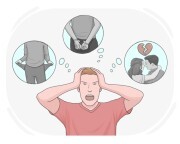
greatly frightened and worried about something, in a way that is uncontrollable
frenetic, panicat
A devenit frenetică când nu și-a putut găsi copilul în mallul aglomerat.
the complete set of meaningful units in a language or a branch of knowledge, or words or phrases that a speaker uses
lexicon, vocabular
Lexiconul unei limbi cuprinde toate cuvintele și expresiile pe care vorbitorii le folosesc pentru a comunica semnificații.
the practice and study of compiling, editing, and writing dictionaries, focusing on the principles and methods of dictionary creation
lexicografie, practica și studiul compilării
Compania a angajat mai mulți experți în lexicografie pentru a se asigura că noua ediție a dicționarului va fi precisă și actualizată.
a person whose job is to write and edit a dictionary
lexicograf, editor de dicționare
Emily aspira să devină lexicograf și a petrecut ani de zile studiind lingvistica și compilând dicționare.
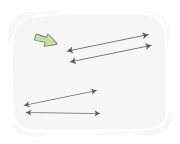
having an equal distance from each other at every point
paralel, echidistant
Cele două linii de pe grafic sunt paralele, indicând nicio modificare în relația lor.
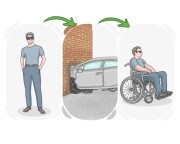
to cause a person, animal, or part of the body to lose the ability to move or function, usually due to injury or illness
paraliza, face paralitic
Din păcate, accidentul i-a paralizat picioarele, lăsându-l incapabil să meargă.
(biology) a small organism that lives on or inside another organism, called a host, and is dependent on it for nutrition and growth
parazit, organism parazit
Țânțarul este un parazit binecunoscut care se hrănește cu sângele gazdei sale, transmitând adesea boli în acest proces.
the state of being held in low regard or having a bad reputation
discredit, reputație proastă
Implicarea companiei în scandal a dus la deconsiderarea sa.
having a bad reputation, often due to dishonesty or unethical behavior
dezonorant, cu reputație proastă
Istoria dubioasă a companiei i-a făcut pe investitori să fie precauți în privința perspectivei viitoare.
to happen by chance
se întâmpla, avea loc
Bătălia hap în zori, cu războinicii pregătiți pentru orice ar fi venit.
with no particular order and planning
dezordonat, aleatoriu
Cărțile de pe raft au fost așezate într-un mod neordonat, făcând dificilă găsirea a ceva.
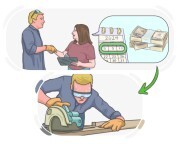
to make someone do something, typically through legal, moral, or social means
obliga, constringe
Acordul semnat obligă ambele părți să respecte termenii și condițiile stabilite în acesta.

having an elongated shape as an oval
oval, alungit
Masa de dining avea o formă ovală, găzduind confortabil un număr mare de oaspeți.
a false charge or a deliberately harmful misrepresentation of someone's words, actions, or character, intended to damage their reputation
calomnie, defăimare
Politicianul a dat în judecată pentru calomnie răspândită în reclamele de campanie ale rivalului.
a person who brings a lawsuit against someone else in a court
reclamant, pârât
Reclamantul a prezentat dovezi convingătoare pentru a-și susține cazul.
showing sadness, typically in a mild manner
plângător, melancolic
Ea a oftat plângător în timp ce se uita pe fereastră.
to gradually move oneself or a thing into a particular place or position by elusive manipulation
insinua, strecură
Politicianul a insinuat agenda sa în discuțiile comitetului fără a o aborda direct.
to create a barrier or division between entities or systems
izola, proteja
Carcasa din plastic izolează firele electrice, prevenind contactul acestora cu alte materiale.
having an unconcerned attitude, especially in situations where others might feel worried
neîngrijorat, nepăsător
Atitudinea lui neîngrijorată față de teme a făcut clar că nu era îngrijorat de note.
