
pattern

SAT Word Skills 4 - Lesson 35

Review

Flashcards

Forms

Spelling

Quiz

Start learning
SAT Word Skills 4
frenetic
frenetic
[Adjective]

fast-paced, frantic, and filled with intense energy or activity
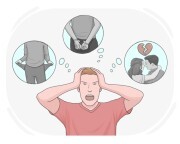
Ex: The frenetic pace of the city can be overwhelming for newcomers. 
Close
Sign in
frantic
frantic
[Adjective]

greatly frightened and worried about something, in a way that is uncontrollable

Ex: She became frantic when she couldn't find her child in the crowded mall. 
Close
Sign in
lexicon
lexicon
[noun]

the complete set of meaningful units in a language or a branch of knowledge, or words or phrases that a speaker uses

Ex: The lexicon of a language encompasses all the words and phrases that speakers use to communicate meaning. 
Close
Sign in
lexicography

the practice and study of compiling, editing, and writing dictionaries, focusing on the principles and methods of dictionary creation

Ex: The company hired several experts in lexicography to ensure the new edition of the dictionary would be accurate and up-to-date. 
Close
Sign in
lexicographer

a person whose job is to write and edit a dictionary
Ex: Emily aspired to become a lexicographer and spent years studying linguistics and compiling dictionaries. 
Close
Sign in
parallel
parallel
[Adjective]

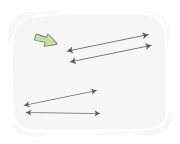
having an equal distance from each other at every point
Ex: The two lines on the graph are parallel, indicating no change in their relationship. 
Close
Sign in
to paralyze

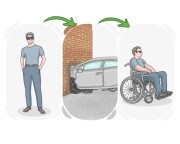
to cause a person, animal, or part of the body to lose the ability to move or function, usually due to injury or illness

Ex: The accident unfortunately paralyzed his legs, leaving him unable to walk. 
Close
Sign in
parasite
parasite
[noun]

(biology) a small organism that lives on or inside another organism, called a host, and is dependent on it for nutrition and growth

Ex: The mosquito is a well-known parasite that feeds on the blood of its host, often transmitting diseases in the process. 
Close
Sign in
disrepute
disrepute
[noun]

the state of being held in low regard or having a bad reputation

Ex: The company's involvement in the scandal led to its disrepute. 
Close
Sign in
disreputable
disreputable
[Adjective]

having a bad reputation, often due to dishonesty or unethical behavior

Ex: The company's disreputable history made investors wary of its future prospects. 
Close
Sign in
to hap
to hap
[Verb]

to happen by chance

Ex: It was said that the old witch could foresee what would hap in the coming days. 
Close
Sign in
haphazard
haphazard
[Adjective]

with no particular order and planning

Ex: The books on the shelf were placed in a haphazard way, making it difficult to find anything. 
Close
Sign in
to obligate

to make someone do something, typically through legal, moral, or social means

Ex: The signed agreement obligates both parties to adhere to the terms and conditions outlined within. 
Close
Sign in
oblong
oblong
[Adjective]

having an elongated shape as an oval

Ex: The dining table had an oblong shape, comfortably seating a large number of guests. 
Close
Sign in
obloquy
obloquy
[noun]

a false charge or a deliberately harmful misrepresentation of someone's words, actions, or character, intended to damage their reputation

Ex: The politician sued over the obloquy spread in the rival's campaign ads. 
Close
Sign in
plaintiff
plaintiff
[noun]

a person who brings a lawsuit against someone else in a court

Ex: The plaintiff presented compelling evidence to support their case. 
Close
Sign in
plaintive
plaintive
[Adjective]

showing sadness, typically in a mild manner

Ex: She gave a plaintive sigh as she looked out the window. 
Close
Sign in
to insinuate

to gradually move oneself or a thing into a particular place or position by elusive manipulation

Ex: The politician insinuated her agenda into the committee's discussions without directly addressing it. 
Close
Sign in
to insulate

to create a barrier or division between entities or systems

Ex: The plastic casing insulates the electrical wires, preventing them from coming into contact with other materials. 
Close
Sign in
insouciant
insouciant
[Adjective]

having an unconcerned attitude, especially in situations where others might feel worried

Ex: His insouciant attitude toward his homework made it clear he wasn’t worried about grades. 
Close
Sign in
LanGeek
Download LanGeek app