

pattern

精神過程の動詞 - 回避と予防のための動詞

ここでは、「避ける」、「抑制する」、「抑止する」など、回避と予防を指すいくつかの英語の動詞を学びます。

レビュー

フラッシュカード

語形

綴り

クイズ

学習を開始
Categorized English Verbs Denoting Mental Processes
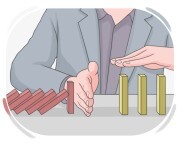
to prevent
to prevent
[動詞]

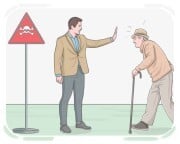
to not let someone do something

防ぐ, 阻止する

防ぐ, 阻止する

Ex: The security guard prevented the unauthorized person from entering the building. 
to preclude
to preclude
[動詞]

to stop or prevent something from happening

防ぐ, 除外する

防ぐ, 除外する

Ex: Strict security measures in place preclude unauthorized entry into the restricted zone. 
to avert
to avert
[動詞]

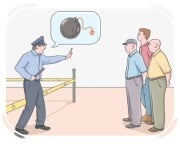
to prevent something dangerous or unpleasant from happening

防ぐ, 回避する

防ぐ, 回避する

Ex: The timely intervention of the lifeguard averted a potential drowning at the pool. 
to deter
to deter
[動詞]

to stop something from happening

抑止する, 阻止する

抑止する, 阻止する

Ex: The visible security cameras are intended to deter theft in the store. 
to thwart
to thwart
[動詞]

to intentionally prevent someone or something from accomplishing a purpose or plan

阻む, 挫く

阻む, 挫く

Ex: The vigilant guards regularly thwart attempts to trespass into the restricted area. 
to foil
to foil
[動詞]

to stop or hinder someone's plans or efforts

阻止する, 妨害する

阻止する, 妨害する

Ex: The detective foiled the criminal's elaborate scheme with clever tactics. 
to restrain
to restrain
[動詞]

to hold back the expression of emotions

抑える, 押さえる

抑える, 押さえる

Ex: He had to restrain his anger when dealing with the difficult customer. 
to avoid
to avoid
[動詞]

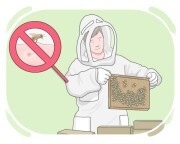
to intentionally stay away from or refuse contact with someone

避ける, 回避する

避ける, 回避する

Ex: To prevent a confrontation, he tried to avoid his ex-girlfriend at the party. 
to evade
to evade
[動詞]

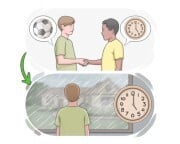
to deliberately avoid facing or fulfilling something difficult, unpleasant, or obligatory

回避する, 逃れる

回避する, 逃れる

Ex: The company tries to evade taxes by exploiting legal loopholes in the tax code. 
to shun
to shun
[動詞]

to deliberately avoid, ignore, or keep away from someone or something

避ける, 遠ざける

避ける, 遠ざける

Ex: The celebrity chose to shun the limelight for a while, seeking privacy away from the public eye. 
to dodge
to dodge
[動詞]

to intentionally avoid an issue or responsibility

避ける, 回避する

避ける, 回避する

Ex: The employee often dodges difficult questions during team meetings. 
to circumvent

to evade an obligation, question, or problem by means of excuses or dishonesty

回避する, 免れる

回避する, 免れる

Ex: Many companies circumvent their environmental responsibilities by outsourcing to suppliers in other countries. 
to elude
to elude
[動詞]

to cleverly avoid or escape from someone or something

逃れる, 回避する

逃れる, 回避する

Ex: The criminal skillfully eludes the police, disappearing into the crowded city. 
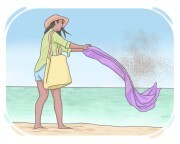
to shake off
to shake off
[動詞]

to physically remove something by shaking

振り落とす, 払い落とす

振り落とす, 払い落とす

Ex: The hiker tried to shake off the mud from his boots before entering the cabin. 
to sidestep
to sidestep
[動詞]

to avoid or bypass a problem, question, or responsibility by addressing it indirectly or by taking a different approach

回避する, 避ける

回避する, 避ける

Ex: During the interview, the politician attempted to sidestep controversial questions by redirecting the conversation to unrelated topics. 
to eschew
to eschew
[動詞]

to avoid a thing or doing something on purpose

避ける, 遠ざける

避ける, 遠ざける

Ex: Health-conscious individuals often eschew sugary beverages in favor of water or herbal tea. 
to skirt
to skirt
[動詞]

to avoid or ignore doing something that one finds to be difficult or controversial

回避する, 避ける

回避する, 避ける

Ex: He tried to skirt the issue by changing the subject during the meeting. 
to shirk
to shirk
[動詞]

to avoid or neglect one's responsibilities, often by finding ways to escape from them

回避する, 逃れる

回避する, 逃れる

Ex: Instead of completing the assigned project, he tends to shirk his responsibilities by procrastinating and avoiding the necessary work. 
LanGeek
LanGeekアプリをダウンロード