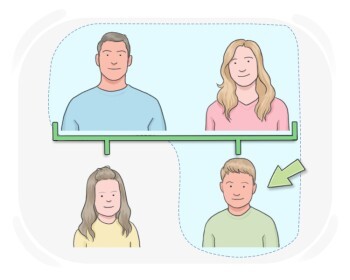

pattern

SAT 語彙スキル 6 - レッスン45

レビュー

フラッシュカード

綴り

クイズ

学習を開始
SAT Word Skills 6
lassie
lassie
[名詞]

a casual and affectionate term for a girl or young woman

女の子, 若い女性

女の子, 若い女性

Ex: She's a bonnie lassie, with hair as golden as the sun. 

彼女は太陽のように金色の髪をした可愛い女の子です。

laddie
laddie
[名詞]

an affectionate and informal term used to refer to a young boy

少年, 坊や

少年, 坊や

Ex: The proud father watched his laddie score his first goal in the soccer match. 

誇り高い父親は、サッカーの試合で彼の少年が初めてゴールを決めるのを見守った。
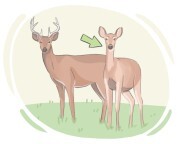
doe
doe
[名詞]

a female mammal such as a deer or rabbit

雌鹿, 雌ウサギ

雌鹿, 雌ウサギ

Ex: The doe gracefully leaped over the fallen log, disappearing into the forest. 

雌鹿は倒れた丸太の上を優雅に跳び越え、森の中に消えていった。

ration
ration
[名詞]

a fixed amount of something that is officially allowed to each person during a particular time, especially during a war or other period of shortage

配給, 割り当て

配給, 割り当て

Ex: Each soldier received a daily ration of food and water. 

各兵士は毎日の食料と水の配給を受け取った。

nexus
nexus
[名詞]

a closely connected group of people, things, or ideas

ネクサス, ネットワーク

ネクサス, ネットワーク

Ex: The company's expansion into multiple markets created a nexus of international business operations. 

会社の複数の市場への拡大は、国際的なビジネス運営のネクサスを生み出しました。

stratagem
stratagem
[名詞]

a clever or cunning maneuver designed to achieve a particular end

策略, 巧妙な策略

策略, 巧妙な策略

Ex: The clever entrepreneur devised a stratagem to enter a competitive market by offering a unique product. 

賢い起業家は、ユニークな製品を提供することで競争の激しい市場に参入するための策略を考案した。

kinfolk
kinfolk
[名詞]

family or relatives collectively

親族, 家族

親族, 家族

Ex: During the holidays, we always gather with our kinfolk for a big family dinner. 

休暇中、私たちはいつも大家族の夕食のために親族と集まります。

bourgeois
bourgeois
[名詞]

someone who belongs to the middle class and is often seen as having conventional or materialistic attitudes

ブルジョワ

ブルジョワ

Ex: The bourgeois often seek stability and comfort in their lives, prioritizing security over risk. 

ブルジョアはしばしば彼らの生活において安定と快適さを求め、リスクよりも安全を優先します。

scourge
scourge
[名詞]

a person who brings widespread suffering or devastation

災い, 惨害

災い, 惨害

Ex: Throughout history, dictators have often been regarded as scourges, responsible for immense human suffering and oppression. 

歴史を通じて、独裁者はしばしば災いと見なされ、計り知れない人間の苦しみと抑圧の責任を負ってきました。

barb
barb
[名詞]

a sharp or pointed remark that is intended to criticize or upset someone

当てこすり, 辛辣な発言

当てこすり, 辛辣な発言

Ex: Sarah couldn't help but feel hurt by Tom's barb about her cooking skills during the dinner party. 

サラは、ディナーパーティー中にトムが彼女の料理の腕前について言った辛辣な言葉に傷つかずにはいられなかった。

flotsam
flotsam
[名詞]

the wreckage from a ship or its cargo that floats on the surface of the water or is washed ashore by the sea

漂流物, 難破船の残骸

漂流物, 難破船の残骸

Ex: After the storm, the beach was littered with flotsam from the sunken ship, including pieces of wood and crates. 

嵐の後、ビーチは沈没船からの浮遊物で散らかっており、木片や箱も含まれていました。

brogan
brogan
[名詞]

a sturdy type of work shoe that covers the ankle and is often made of leather

ブローグ, 頑丈な作業靴

ブローグ, 頑丈な作業靴

Ex: The laborers wore brogans to protect their feet while working in the fields. 

労働者たちは畑で働く際に足を保護するためにブローガンを履いていました。

earthenware
earthenware
[名詞]

a type of pottery that is made from clay that is fired at relatively low temperatures, resulting in a porous, rustic, and often glazed ceramic material

土器, 陶器

土器, 陶器

Ex: The artisan displayed a beautiful collection of earthenware pots, each with intricate designs and vibrant glazes. 

職人は美しい土器のポットのコレクションを展示し、それぞれに複雑なデザインと鮮やかな釉薬が施されていました。
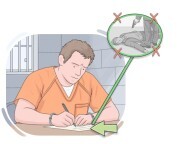
plea
plea
[名詞]

a formal answer given in court to a criminal charge, stating whether the accused is guilty or not guilty

答弁

答弁

Ex: The defendant entered a plea of not guilty. 
yoke
yoke
[名詞]

a wooden frame or piece of equipment worn over the shoulders and neck to carry or support heavy loads

軛, 首枷

軛, 首枷

Ex: The laborers used a yoke to carry buckets of water from the well to the construction site. 

労働者たちは井戸から建設現場へ水のバケツを運ぶために軛(くびき)を使いました。

stealth
stealth
[名詞]

the ability to move or act in a secretive or inconspicuous manner, often to avoid being noticed or detected by others

隠密,  目立たないこと

隠密, 目立たないこと

Ex: The ninja moved with incredible stealth, slipping past the guards unnoticed. 

その忍者は信じられないほどの隠密で動き、警備員に気付かれずに通り過ぎた。

avatar
avatar
[名詞]

(Hindu mythology) a deity's manifestation or incarnation in earthly form, often to fulfill a particular purpose or mission

アバター, 化身

アバター, 化身

Ex: Lord Vishnu is believed to have ten avatars, known as the Dashavatara, including Rama and Krishna. 

ヴィシュヌ神には、ラーマやクリシュナを含むダシャアバターとして知られる10のアバターがあると信じられています。

ode
ode
[名詞]

a lyric poem, written in varied or irregular metrical form, for a particular object, person, or concept

頌歌, 抒情詩

頌歌, 抒情詩

Ex: The poet wrote an ode to celebrate the beauty of nature. 

詩人は自然の美しさを称えるために頌歌を書いた。

plaudit
plaudit
[名詞]

public or formal expressions of praise or approval

称賛, 拍手

称賛, 拍手

Ex: The actor received enthusiastic plaudits from the audience for his outstanding performance. 

その俳優は、彼の卓越した演技に対して観客から熱狂的な賞賛を受けた。

menace
menace
[名詞]

something that feels like it could cause harm or trouble, making people worried or uneasy

脅威, 危険

脅威, 危険

Ex: The dark alleyway had an eerie menace about it, deterring pedestrians from venturing further. 

暗い路地には不気味な 脅威 があり、歩行者がさらに進むのを妨げた。

LanGeek
LanGeekアプリをダウンロード