pattern

自然科学 SAT - 制限

ここでは、SATを突破するために必要な「投獄」、「拘束」、「閉じ込める」など、制限に関連するいくつかの英単語を学びます。

レビュー

フラッシュカード

語形

綴り

クイズ

学習を開始
SAT Vocabulary for Natural Sciences
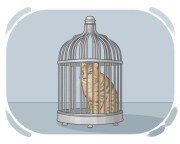
captivity
captivity
[名詞]

the state of being confined, imprisoned, or held against one's will

監禁, 投獄

監禁, 投獄

imprisonment
imprisonment
[名詞]

the act of confining someone in a restricted space

投獄, 監禁

投獄, 監禁

Ex: The villain's imprisonment in the tower lasted a month. 
incarceration

the act of putting or keeping someone in captivity

投獄, 収監

投獄, 収監

Ex: Many activists are pushing for alternatives to incarceration for non-violent offenders. 
detention
detention
[名詞]

the condition of being held in a confined space or location, often for a temporary period

拘留,  拘置

拘留, 拘置

Ex: After the protest turned violent, the police placed several demonstrators in detention to prevent further disturbances. 
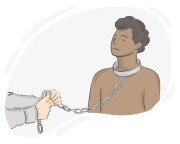
bondage
bondage
[名詞]

the condition of being under the control or dominance of another person, often involving restriction of freedom

束縛, 奴隷状態

束縛, 奴隷状態

Ex: In the historical context of slavery, individuals were often kept in bondage as forced laborers. 
curfew
curfew
[名詞]

an order or law that prohibits people from going outside after a specific time, particularly at night

夜間外出禁止令, 門限

夜間外出禁止令, 門限

Ex: The government imposed a strict curfew, requiring everyone to be indoors by 9 PM to maintain public safety. 
boundary
boundary
[名詞]

a dividing line, marker, or limit that separates one geographic area, property, or physical space from another

境界, 境界線

境界, 境界線

Ex: The ball bounced just inside the boundary for a match‑saving four. 
territory
territory
[名詞]

a geographic area belonging to or ruled by a government or authority

領土, 地域

領土, 地域

Ex: The disputed territory has been a source of conflict between the two neighboring countries for decades. 
to confine
to confine
[動詞]

to prevent someone or something from leaving or being taken away from a place

閉じ込める, 制限する

閉じ込める, 制限する

Ex: The zookeepers must confine the lions in secure enclosures for safety. 
to intern
to intern
[動詞]

to restrict someone's freedom by confining them, often done for security, control, or public safety reasons

抑留する, 収容する

抑留する, 収容する

Ex: During wartime, certain individuals were interned in camps for security reasons. 
to restrain
to restrain
[動詞]

to limit or restrict someone or something's movement, actions, or freedom

抑制する, 制限する

抑制する, 制限する

Ex: The police used handcuffs to restrain the suspect during the arrest. 
to immure
to immure
[動詞]

to take a person or thing to a confined space and trap them there

閉じ込める, 監禁する

閉じ込める, 監禁する

Ex: The kidnappers decided to immure the hostages in an abandoned warehouse. 
to restrict
to restrict
[動詞]

to impose limits or regulations on someone or something, typically to control or reduce its scope or extent

制限する, 制約する

制限する, 制約する

Ex: The dietitian recommended restricting sugar intake to improve overall health. 
to prohibit
to prohibit
[動詞]

to formally forbid something from being done, particularly by law

禁止する, 禁ずる

禁止する, 禁ずる

Ex: The city council passed a law to prohibit the use of fireworks within city limits. 
to demarcate
to demarcate
[動詞]

to mark or establish the boundaries or limits of something clearly

境界を定める, 区画する

境界を定める, 区画する

Ex: The architect demarcated the different functional zones within the building plans. 
to shackle
to shackle
[動詞]

to tie up or restrain with strong metal bands or chains

拘束する, 鎖で繋ぐ

拘束する, 鎖で繋ぐ

Ex: The prisoners were shackled and taken to their cells. 
to manacle
to manacle
[動詞]

to restrain someone by locking metal cuffs around their wrists or ankles

手錠をかける, 拘束する

手錠をかける, 拘束する

Ex: The police manacled the suspect and put him in the car. 
to fetter
to fetter
[動詞]

to bind someone's ankles or feet with chains, shackles, or similar devices to restrict movement

足枷をはめる, 鎖で縛る

足枷をはめる, 鎖で縛る

Ex: The guards fettered the prisoner before leading him to the transport van. 
to capture
to capture
[動詞]

to catch an animal or a person and keep them as a prisoner

捕まえる, 捕獲する

捕まえる, 捕獲する

Ex: The zookeepers capture wild animals for conservation purposes. 
to apprehend
to apprehend
[動詞]

to arrest someone

逮捕する, 拘束する

逮捕する, 拘束する

Ex: The security guards were quick to apprehend the trespasser before he could escape. 
to truss
to truss
[動詞]

to tie up or secure something firmly using ropes or straps

縛る, しっかりと固定する

縛る, しっかりと固定する

Ex: The sailors trussed down the cargo to prevent it from shifting during the storm. 
to surround
to surround
[動詞]

to circle around someone or something, putting pressure on them to give up

包囲する, 囲む

包囲する, 囲む

Ex: The police surrounded the building to capture the suspect inside. 
to pinion
to pinion
[動詞]

to tie someone's arms, typically to restrain movement

縛る, 拘束する

縛る, 拘束する

Ex: The police officer pinioned the suspect's arms behind their back. 
to tether
to tether
[動詞]

to tie or fasten with a rope or chain

繋ぐ, 縛る

繋ぐ, 縛る

Ex: The dog was tethered to a post while its owner went inside the store. 
to anchor
to anchor
[動詞]

to secure or fasten something firmly in place, often to prevent movement or ensure stability

固定する, 錨で留める

固定する, 錨で留める

Ex: She anchored the tent stakes into the ground to prevent the tent from being blown away by the strong winds. 
bound
bound
[形容詞]

restricted or confined by physical restraints or bonds

縛られた, 鎖で繋がれた

縛られた, 鎖で繋がれた

Ex: The prisoner was bound in chains and shackles. 
LanGeek
LanGeekアプリをダウンロード