

pattern

SAT 단어 능력 1 - 제17과

리뷰

플래시카드

철자법

퀴즈

학습 시작
SAT Word Skills 1
exposition
exposition
[명사]

a detailed explanation or description that clarifies the meaning or intent of a written work or discourse

설명

설명

Ex: In the opening scene of the play, the narrator delivered a concise exposition, setting the stage for the unfolding events. 

연극의 오프닝 장면에서 내레이터는 전개되는 사건을 위한 무대를 설정하는 간결한 설명을 전달했습니다.

닫기
로그인
expository
expository
[형용사]

intended to explain and present information in a detailed manner

설명적인, 해설적인

설명적인, 해설적인

Ex: The documentary used expository narration to clarify the events. 

다큐멘터리는 사건을 명확히 하기 위해 설명적인 내레이션을 사용했다.

닫기
로그인
affirmation
affirmation
[명사]

a statement that confirms something as true or valid

확언, 선언

확언, 선언

Ex: The CEO's passionate speech served as a bold affirmation of the company's commitment to innovation and excellence. 

CEO의 열정적인 연설은 혁신과 탁월함에 대한 회사의 약속을 대담하게 확인하는 역할을 했습니다.

닫기
로그인
affirmative
affirmative
[형용사]

favorable or supportive in attitude or response

긍정적인, 지지하는

긍정적인, 지지하는

Ex: The committee's response to the proposal was affirmative, indicating their full support for the new initiative. 

위원회의 제안에 대한 응답은 긍정적이었으며, 새로운 계획에 대한 그들의 전적인 지지를 나타냈습니다.

닫기
로그인
to endure
to endure
[동사]

to allow the presence or actions of someone or something disliked without interference or complaint

견디다, 참다

견디다, 참다

Ex: He endured the pain of physical therapy in order to regain mobility after the injury. 
닫기
로그인
endurance
endurance
[명사]

the capacity to withstand difficult or unpleasant circumstances without giving up

지구력, 인내력

지구력, 인내력

Ex: The athlete's endurance allowed her to finish the race despite feeling exhausted halfway through. 

운동 선수의 지구력은 중간에 지쳤음에도 불구하고 그녀가 레이스를 마칠 수 있게 했습니다.

닫기
로그인
enduring
enduring
[형용사]

having the ability to last over a long period of time

지속적인, 오래가는

지속적인, 오래가는

Ex: The enduring appeal of classic literature transcends generations. 

고전 문학의 지속적인 매력은 세대를 초월한다.

닫기
로그인
vituperative
vituperative
[형용사]

criticizing or insulting in a hurtful and angry manner

욕설하는, 비방하는

욕설하는, 비방하는

Ex: The email contained vituperative language that deeply offended the recipient. 

이메일에는 수신자를 깊이 상하게 한 욕설적인 언어가 포함되어 있었습니다.
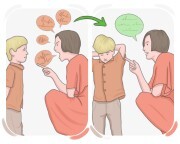
닫기
로그인
to moderate
to moderate
[동사]

to make something less strong, severe, extreme, or intense

완화하다,  누그러뜨리다

완화하다, 누그러뜨리다

Ex: The medication may help moderate the symptoms. 
닫기
로그인
moderation
moderation
[명사]

the act or state of avoiding excess or extremes in thought, behavior, or action

절제, 중용

절제, 중용

Ex: It's important to enjoy sweets in moderation to maintain a healthy diet. 

건강한 식단을 유지하기 위해 과자를 적당히 즐기는 것이 중요합니다.

닫기
로그인
moderator
moderator
[명사]

someone who, as a job, helps opposing sides come to an agreement

중재자, 조정자

중재자, 조정자

Ex: The international organization appointed a skilled moderator to facilitate negotiations between conflicting parties, aiming to find a peaceful solution. 

국제 기구는 대립하는 당사자들 사이의 협상을 촉진하여 평화로운 해결책을 찾기 위해 숙련된 조정자를 임명했습니다.

닫기
로그인
evasion
evasion
[명사]

the act of avoiding or escaping something, typically a responsibility, obligation, or consequence

회피, 도피

회피, 도피

Ex: The employee's constant excuses and evasions made it clear that he was trying to avoid taking on additional work. 

직원의 끊임없는 변명과 회피는 그가 추가 작업을 맡으려 하지 않는다는 것을 분명히 했다.

닫기
로그인
evasive
evasive
[형용사]

using vague or ambiguous language intentionally to avoid giving a direct or clear answer

회피적인, 모호한

회피적인, 모호한

Ex: It's frustrating trying to get a straight answer from him; he's always so evasive. 

그에게서 직설적인 답변을 얻으려는 것은 좌절감을 준다; 그는 항상 회피적이다.

닫기
로그인
taut
taut
[형용사]

stretched firmly without slack

팽팽한, 긴장된

팽팽한, 긴장된

Ex: His fishing line went taut as something tugged beneath the surface. 

수면 아래에서 무언가 당겼을 때 그의 낚싯줄이 팽팽해졌다.

닫기
로그인
tautological
tautological
[형용사]

referring to something that is repetitive and restates the same idea or meaning using different words

동어반복의

동어반복의

Ex: His explanation was tautological, repeating the same point in different ways. 

그의 설명은 동어반복적이었고, 같은 요점을 다른 방식으로 반복했습니다.

닫기
로그인
tautology
tautology
[명사]

the redundant repetition of an idea using different words in a sentence or phrase

동어반복, 중복

동어반복, 중복

Ex: In linguistics, a tautology is the redundant repetition of an idea, where the same concept is expressed multiple times in different words. 

언어학에서 동어반복은 같은 개념을 다른 단어로 여러 번 표현하는, 아이디어의 불필요한 반복입니다.

닫기
로그인
caprice
caprice
[명사]

a sudden and unpredictable change in mood, behavior, or decision

변덕, 일시적인 기분

변덕, 일시적인 기분

Ex: The king ruled by caprice, making laws that changed with his moods. 

왕은 변덕으로 통치했으며, 그의 기분에 따라 바뀌는 법을 만들었다.

닫기
로그인
capricious
capricious
[형용사]

(of a person) prone to unexpected and sudden changes of behavior, mood, or mind

변덕스러운, 깜박이는

변덕스러운, 깜박이는

Ex: The capricious leader’s policies seemed to change without notice. 

변덕스러운 지도자의 정책은 예고 없이 바뀌는 것 같았다.

닫기
로그인
captious
captious
[형용사]

tending to raise petty objections

까다로운, 트집 잡는

까다로운, 트집 잡는

Ex: His captious remarks annoyed everyone in the meeting. 

그의 까다로운 발언은 회의에 있는 모든 사람을 짜증나게 했다.

닫기
로그인
LanGeek
LanGeek 앱 다운로드