
250 najczęstszych angielskich czasowników frazowych - Top 1 - 25 Czasowniki Frazowe
Tutaj otrzymujesz część 1 listy najczęściej używanych czasowników frazowych w języku angielskim, takich jak "go on", "look for" i "find out".
Przegląd
Fiszki
formy
Pisownia
Test
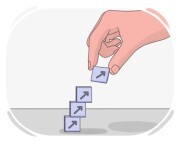
to continue without stopping

kontynuować bez zatrzymywania się, iść dalej
Prace budowlane będą trwać do czasu ukończenia projektu.

to have been born in a specific place
pochodzić z, być z
Pochodzą z różnych krajów, ale teraz nazywają to miasto domem.

to expect or hope for something
oczekiwać, liczyć na
Szukam pozytywnego rozwiązania tego konfliktu.

to find the answer to a question or problem
znaleźć rozwiązanie, rozwiązać problem
Studenci często współpracują, aby rozwiązać trudne zadania podczas projektów grupowych.
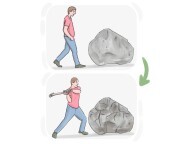
to take the necessary action regarding someone or something specific
radzić sobie z, zajmować się
Czasami musimy radzić sobie z rzeczami, których nie lubimy.
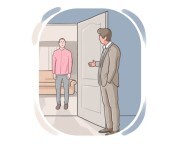
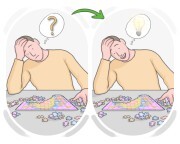
to get information about something after actively trying to do so
dowiedzieć się, zdobyć informacje przez poszukiwanie
Musimy dowiedzieć się prawdy o tej sytuacji.
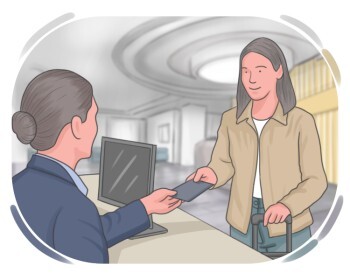
to leave a hotel after returning your room key and paying the bill
wymeldować się z hotelu, oddać pokój i uregulować rachunek
Upewnij się, że wymeldowałeś się online, jeśli masz wcześniejsze wyjście.
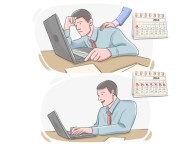
to begin participating in, learning about, and developing a strong interest or passion for a particular activity, hobby, or topic
zaczynać, pasjonować się
Ona zaczęła interesować się gotowaniem i zaczęła eksperymentować z nowymi przepisami.
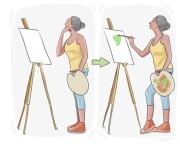
to initiate an action or task, particularly when someone has granted permission or in spite of doubts or opposition
kontynuować, iść naprzód
Dyrektor szkoły dał uczniom zielone światło, aby kontynuować i zorganizować wydarzenie charytatywne.
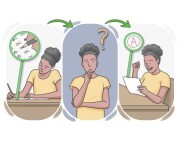
to emerge as a particular outcome
ostatecznie okazać się, zakończyć się określonym wynikiem
Nie spodziewali się wielu ludzi. Okazało się, że wino rocznikowe było warte znacznie więcej, niż się spodziewali.
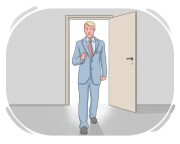
to arrive at home or at the place where one works
przybyć, wracać
Przybyli akurat na czas na obiad.
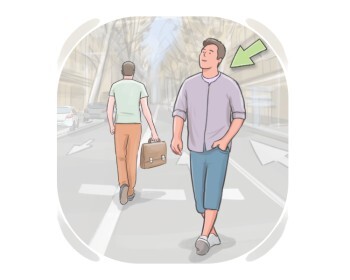
to move toward someone, usually in order to talk to them
podejść do kogoś, zbliżyć się do kogoś
Zauważyłem moją sąsiadkę w parku, więc podszedłem do niej, aby porozmawiać o nadchodzącym wydarzeniu społecznościowym.
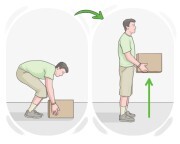
to take and lift something or someone up
podnieść, unieść
Dzieci muszą zbierać swoje zabawki przed snem.
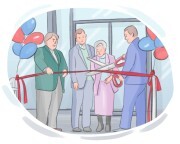
to establish a fresh entity, such as a company, system, or organization
założyć, utworzyć
Rząd planuje utworzyć programy mające na celu rozwiązanie problemu bezrobocia.

to change from being a child into an adult little by little
dorastać, stać się dorosłym
Ona planuje przeprowadzkę do miasta, w którym dorastała.

to arrive at an event or appointment where one is expected
pojawić się, stawić się
Wolontariusze pojawili się wcześnie, aby pomóc w przygotowaniu wydarzenia społecznościowego.
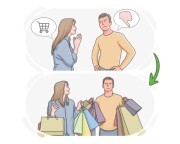
to eventually reach or find oneself in a particular place, situation, or condition, often unexpectedly or as a result of circumstances
ostatecznie znaleźć się, skończyć ostatecznie
Czasami życie przybiera nieoczekiwane zwroty akcji i możesz skończyć w karierze, której początkowo nie brałeś pod uwagę.
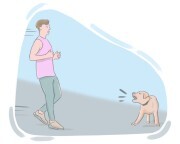
to move away from a person, thing, or situation
odsunąć się od kogoś lub czegoś, wycofać się
Strażak został zmuszony do wycofania się, gdy płomienie się nasiliły.
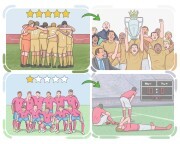
to be determined or affected by something else
zależeć od czegoś, być określanym lub zależnym od innego czynnika
Wyniki giełdy zależą od różnych wskaźników ekonomicznych i wydarzeń globalnych.

to be connected to or about a particular subject
odnosić się do, być związanym z
Seria wykładów jest zaprojektowana tak, aby odnosić się do różnych aspektów sztuki i kultury.
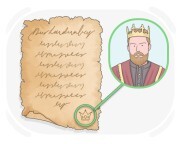
to have a connection with a particular person or thing
odnosić się do, nawiązywać do
Tytuł obrazu, « Sunset Serenity », odnosi się do stanu emocjonalnego artysty podczas jego tworzenia.

to exercise in order to get healthier or stronger
ćwiczyć, ćwiczyć aby być zdrowszym lub silniejszym
Staram się ćwiczyć przynajmniej trzy razy w tygodniu dla lepszego zdrowia sercowo-naczyniowego.
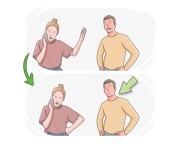
to tell someone to wait or pause what they are doing momentarily
chwilę poczekać lub się zatrzymać, na chwilę przerwać to co się robi
Nauczyciel powiedział uczniom, aby poczekali, podczas gdy ona sprawdzała ich odpowiedzi.
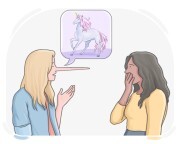
to create a false or fictional story or information
zmyślić, sfabrykować
Oszust wymyślił fałszywą tożsamość, aby oszukać ludzi.
| 250 najczęstszych angielskich czasowników frazowych | |||
|---|---|---|---|
| Top 1 - 25 Czasowniki Frazowe | Top 26 - 50 Czasowniki Frazowe | Top 51 - 75 Czasowniki Frazowe | Top 76 - 100 Czasowniki Frazowe |
| Top 101 - 125 Czasowniki Frazowe | Top 126 - 150 Czasowniki Frazowe | Top 151 - 175 Czasowniki Frazowe | Top 176 - 200 Czasowniki Frazowe |
| Top 201 - 225 Czasowniki Frazowe | Top 226 - 250 Czasowniki Frazowe | ||
