
Książka Headway - Zaawansowany - Ostatnie Słowo (Jednostka 7)
Tutaj znajdziesz słownictwo z jednostki 7 The Last Word w podręczniku Headway Advanced, takie jak "hang on", "live and learn", "cheer up" itp.
Przegląd
Fiszki
Pisownia
Test


to feel happy and satisfied

cieszyć się, podnosić na duchu
Atmosfera na imprezie zaczęła się ożywiać, gdy przybyło więcej ludzi.

used to refer to the conclusion or outcome of a situation or event
ostatecznie, w końcu
Konkurencja była trudna, ale ostatecznie wyszła zwycięsko.
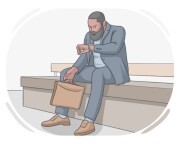
to ask someone to wait briefly or pause for a moment
czekać, poczekać
Powiedziała swojemu przyjacielowi, żeby poczekał, podczas gdy ona kończyła szybkie zadanie.
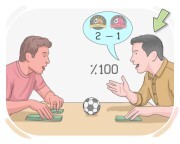
(of a person) having no doubt about something
pewny, przekonany
Pomimo wyzwań, pozostała pozytywna, że razem pokonają przeszkody.
used to refer to the positive or good aspects of a situation, even if other parts are not so good
z dobrej strony, dobra strona
Spotkanie było długie, ale z dobrej strony rozwiązaliśmy dwa duże problemy.
![to [keep] {one's} chin up](https://cdn.langeek.co/photo/43014/thumb/350?type=jpeg "to [keep] {one's} chin up")
to manage to keep one's spirit and stay hopeful in the face of challenges and hardships
nie tracić ducha, nie poddawać się
used to imply that making mistakes is a natural part of the learning process, and that one should not be discouraged by failure but instead use it as an opportunity for growth and improvement
Żyć i uczyć się, Żyjemy i uczymy się
Nie zdawałem sobie sprawy, że to się stanie, ale chyba życie uczy.
used to imply that one must dare to take risks in order to achieve something or to be successful
used to mean that it is better to take action or complete a task, even if it is delayed, rather than not doing it at all
used to encourage someone who has just missed an opportunity or failed to succeed in a particular field
Więcej szczęścia następnym razem, Lepiej następnym razem
Nie poszło zgodnie z planem, ale pamiętaj, następnym razem więcej szczęścia.
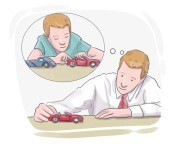
to think about or consider past events, experiences, or decisions
spoglądać wstecz, wspominać
Gdy spoglądam wstecz na swoje życie, zdaję sobie sprawę, jak bardzo dorosłem i się zmieniłem.
a situation or event that seems problematic or unfortunate at first but later results in something positive and pleasant
szczęście w nieszczęściu, coś złego, co wyszło na dobre
Opóźnienie okazało się szczęściem w nieszczęściu, bo dało nam czas na naprawienie poważnego błędu.
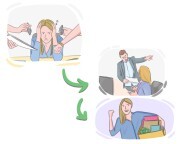
used for saying that something is going to be of advantage despite causing difficulty at the moment
dla dobra sprawy, może tak będzie lepiej
Nie dostała mieszkania, ale ostatecznie wyszło jej to na dobre.
used to say that once something has been completed or taken place, it cannot be altered or undone, and thus it is best to accept the outcome and move on
used to suggest that when something is obtained or achieved easily, it is often lost or wasted just as easily
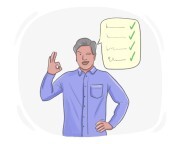
to conclude in a positive outcome
udać się, zakończyć się pomyślnie
Skuteczna komunikacja zapewnia, że zadania zakończą się bezproblemowo.
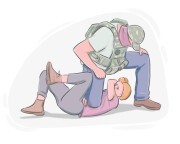
to physically attack someone, often with repeated blows
pobić, poturbować
Członkowie gangu postanowili pobić swojego rywala w ulicznej konfrontacji.
