
Książka Solutions - Średnio zaawansowany niższy - Jednostka 4 - 4H
Tutaj znajdziesz słownictwo z Unitu 4 - 4H w podręczniku Solutions Pre-Intermediate, takie jak "niemniej jednak", "zmieniać", "inwestować" itp.
Przegląd
Fiszki
formy
Pisownia
Test

to take action against something harmful in order to stop or reduce it

zwalczać, walczyć z
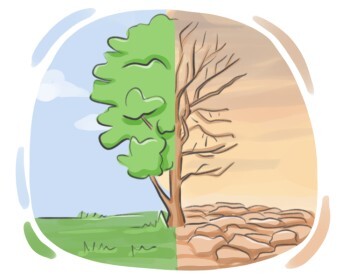
a permanent change in global or regional climate patterns, including temperature, wind, and rainfall
zmiana klimatu, globalne ocieplenie
Niektóre gatunki są zagrożone wyginięciem z powodu zmian klimatu.
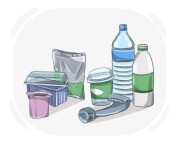
a light substance produced in a chemical process that can be formed into different shapes when heated
plastik
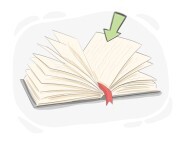
the thin sheets on which one can write, draw, or print things, also used as wrapping material
papier, arkusz
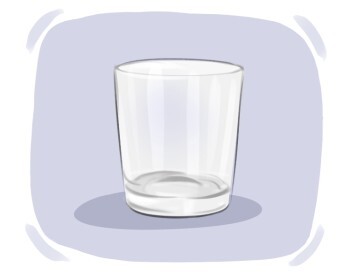
a container that is used for drinks and is made of glass
szklanka, kieliszek
the increase in the average temperature of the Earth as a result of the greenhouse effect
globalne ocieplenie, zmiana klimatu
Efekty globalnego ocieplenia są widoczne w zmieniających się wzorcach pogodowych.
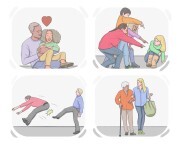
the way that someone acts, particularly in the presence of others
zachowanie, postępowanie
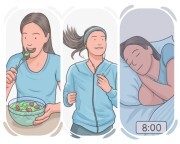
the way a person or group lives, including their habits, activities, and choices
styl życia, tryb życia
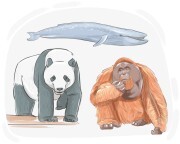
a type of animal or plant that is at risk of becoming extinct
gatunek zagrożony wyginięciem, zagrożony gatunek
Zoo czasami odgrywają rolę w hodowli zagrożonych gatunków.
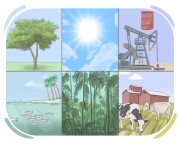
raw materials found in nature that are used by human beings
zasoby naturalne, bogactwa naturalne
Odnawialne zasoby naturalne, takie jak światło słoneczne i wiatr, są kluczowe dla zrównoważonej energii.
a type of energy derived from natural sources that can be replenished, such as sunlight, wind, and water
energia odnawialna, zrównoważona energia
Źródła energii odnawialnej, takie jak energia wodna, są kluczowe dla zrównoważonej przyszłości.
the release of carbon dioxide into the atmosphere, primarily from burning fossil fuels, industrial processes, and etc.
emisja węgla, uwalnianie dwutlenku węgla
Firma wyznaczyła cel osiągnięcia zerowej emisji netto dwutlenku węgla do 2050 roku.
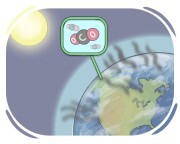
the amount of carbon dioxide that an organization or person releases into the atmosphere
ślad węglowy, emisja dwutlenku węgla
Rząd zachęcał obywateli do zmniejszenia swojego śladu węglowego.
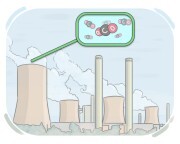
a type of gas with no color and smell that is produced by burning carbon or during breathing out
dwutlenek węgla, kwas węglowy
Naukowcy monitorują emisje dwutlenku węgla, aby badać zmiany klimatu.
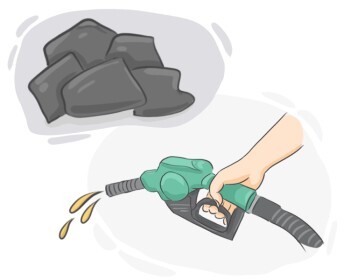
a fuel that is found in nature and obtained from the remains of plants and animals that died millions of years ago, such as coal and gas
paliwo kopalne, energia kopalna
Gaz ziemny jest uważany za czystsze paliwo kopalne w porównaniu z węglem.
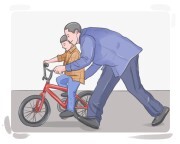
to have faith in someone or something
polegać na kimś lub czymś, ufać że ktoś lub coś zapewni potrzebną pomoc lub rezultat
Podczas długiej podróży niezbędne jest poleganie na dobrze utrzymanym pojeździe.
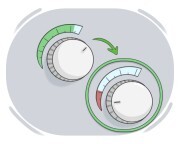
to make something smaller in amount, degree, price, etc.
zmniejszać, redukować
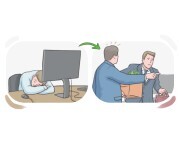
to make something happen, usually something bad
powodować, wywoływać
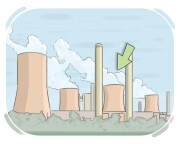
to release gases or odors into the air
emitować, wydzielać
Procesy przemysłowe mogą emitować różne zanieczyszczenia, jeśli nie są odpowiednio regulowane.

to guide or show the direction for others to follow
prowadzić, kierować
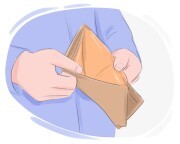
to entirely consume a resource, leaving none remaining
zużyć, wyczerpać
Szef zużył wszystkie świeże warzywa przy przygotowywaniu posiłku.
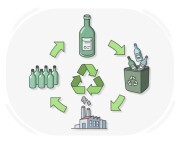
to make a waste product usable again
recyklingować, ponownie wykorzystywać
Kompostowanie to metoda recyklingu odpadów organicznych w celu stworzenia bogatej w składniki odżywcze gleby do ogrodnictwa.
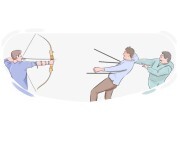
to prevent someone or something from being damaged or harmed
chronić, zabezpieczać
to devote a lot of effort, time, etc. to something from which one expects to achieve a good result
inwestować, poświęcać
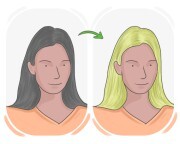
to cause something to change
zmieniać, modyfikować
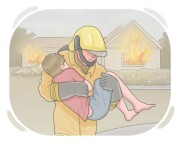
to keep someone or something safe and away from harm, death, etc.
ratować, chronić
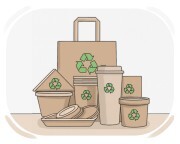
(of a substance or product) causing no harm to the environment
zielony, ekologiczny
used to introduce an opposing statement
niemniej jednak, jednakże
used to introduce an additional point or emphasize an even greater extent of what has been previously mentioned
co więcej, ponadto
Udało mu się ukończyć maraton pomimo upału. Co więcej, ustanowił swój osobisty rekord.
