
Książka Solutions - Średnio zaawansowany wyższy - Jednostka 6 - 6G
Tutaj znajdziesz słownictwo z Unitu 6 - 6G w podręczniku Solutions Upper-Intermediate, takie jak "infekcja", "zgaga", "zatkany" itp.
Przegląd
Fiszki
Pisownia
Test
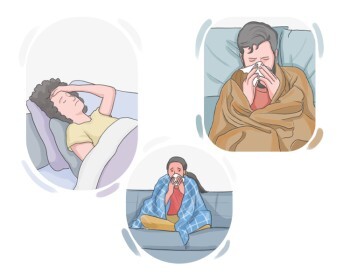
the state of being physically or mentally sick

choroba, dolegliwość
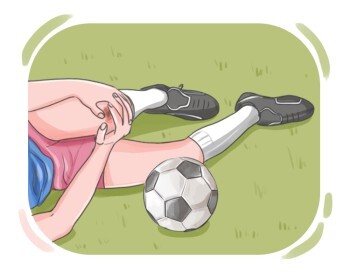
any physical damage to a part of the body caused by an accident or attack
uraz, uszkodzenie

a change in the normal condition of the body of a person, which is the sign of a disease
objaw
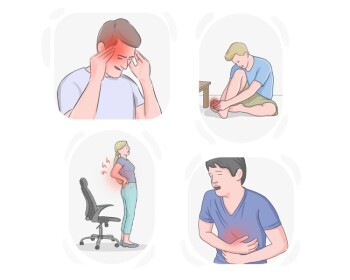
a continuous pain in a part of the body, often not severe
ból, tępy ból
Po treningu poczuła lekki ból w ramieniu.
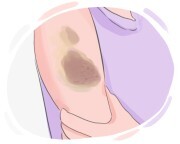
an injury on the skin that appears as a dark mark, caused by a blow involving the rupture of vessels underneath
siniak, stłuczenie
Lekarz zbadał siniak na ramieniu dziecka i uspokoił rodziców, mówiąc, że to powszechne obrażenie, które zagoi się samo.
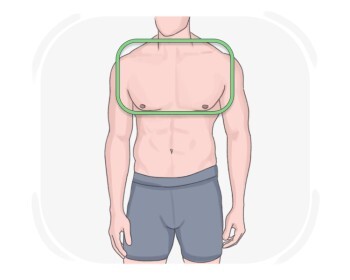
the front part of the body between the neck and the stomach
klatka piersiowa, tors
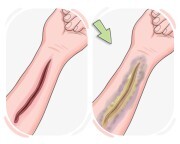
a condition in which harmful germs, such as bacteria or viruses, invade the body and cause harm, leading to symptoms such as fever, pain, and swelling
infekcja

used to describe a condition in which there is an abnormal accumulation of blood in a specific area, usually due to blockages or poor circulation, leading to swelling, pain, or other associated symptoms
zatkany, przepełniony
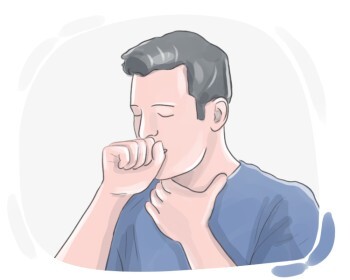
an act or sound of forcing air suddenly out of the lungs through the throat
kaszel, kaszlnięcie
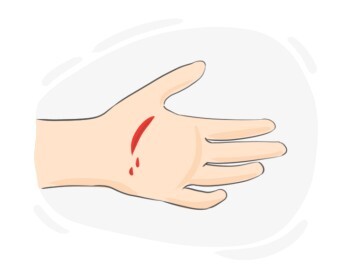
a break or opening in the skin or flesh, often caused by a sharp object or injury
cięcie, rana
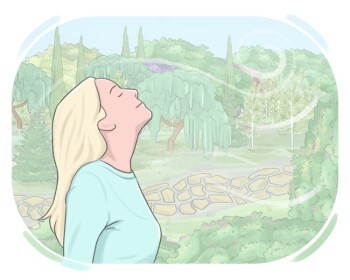
to experience a particular emotion
czuć, doznawać
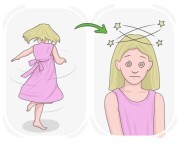
unable to keep one's balance and feeling as though everything is circling around one, caused by an illness or looking down from a high place
oszołomiony, zawrotny
Zawroty głowy mogą sprawić, że osoby poczują się zawroty głowy, jakby pokój wirował wokół nich.

experiencing extreme exhaustion
wyczerpany, zmęczony
Godziny jazdy sprawiły, że poczuł się zmęczony, więc zatrzymał się, aby się zdrzemnąć.
a burning discomfort or pain in the chest or upper abdomen, often caused by the backing up of stomach acid into the esophagus
zgaga, piroza
Picie zbyt dużej ilości alkoholu może powodować zgagę u niektórych osób.
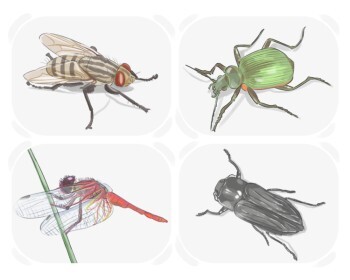
a small arthropod with six legs and a body divided into three parts, often also having wings
a small arthropod with six legs and a body divided into three parts, often also having wings
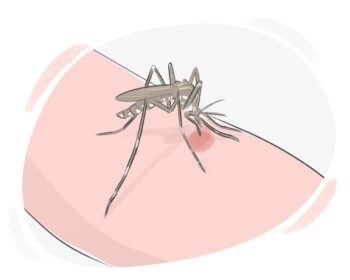
a painful infliction caused by a small sharp and pointed organ that some insects have and use to penetrate the prey and inject poison
ukąszenie, żądło
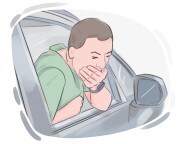
feeling as if one is likely to vomit
mdli, nudności
Zakręty i zwroty rollercoastera sprawiły, że wielu pasażerów poczuło mdłości.

the act or instance of blood flowing from the nose
krwotok z nosa, epistaksja
Został zaskoczony nagłym krwawieniem z nosa podczas spotkania.
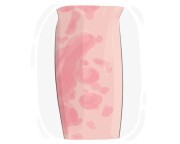
a part of one's skin covered with red spots, which is usually caused by a sickness or an allergic reaction
wysypka, zaczerwienienie
Objawy wysypki mogą obejmować swędzenie, pieczenie lub dyskomfort w dotkniętym obszarze.
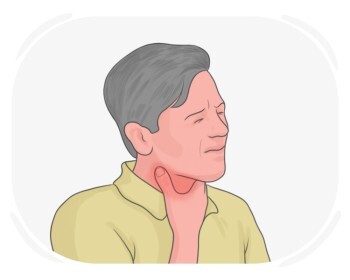
a condition when you feel pain in the throat, usually caused by bacteria or viruses
ból gardła
Jego ból gardła utrudniał mu mówienie.
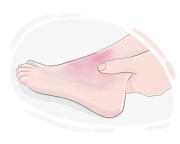
a painful injury resulting in the sudden twist of a bone or joint, particularly one's wrist or ankles
skręcenie, zwichnięcie
Owinął swoje skręcone nadgarstek bandażem, aby go wspierać podczas gojenia.
difficult or painful to move because of tightness or soreness in the muscles or joints
sztywny, zdrętwiały
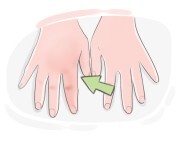
(of a part of the body) unusually large, particularly because of an injury or illness
spuchnięty, opuchnięty
Oblodził spuchnięte kolano lodem, aby zmniejszyć ból.
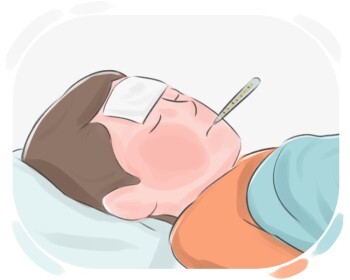
a condition characterized by a body temperature above the normal range, often indicating an immune response to infection or illness within the body
gorączka, wysoka temperatura
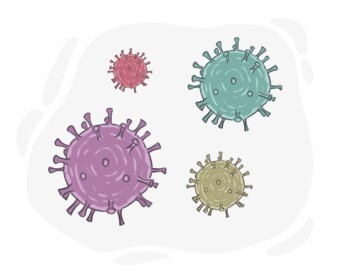
an infectious agent that reproduces only inside living cells and can cause disease
an injury inflicted on the body especially one that seriously damages the skin or the flesh
rana, uraz
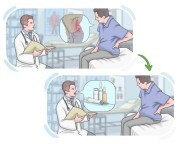
an action that is done to relieve pain or cure a disease, wound, etc.
leczenie
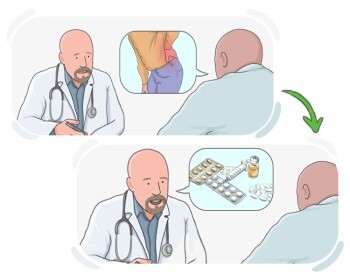
a medicine or treatment used to cure an illness or relieve pain or other symptoms
środek, lekarstwo
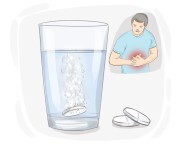
a medication that reduces or neutralizes the acidity of the body, particularly the stomach
środek zobojętniający kwasy, neutralizator kwasów
Niektóre leki zobojętniające sok żołądkowy mogą powodować zaparcia, jeśli są przyjmowane zbyt często.
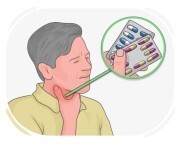
a medicine that kills or stops the growth of bacteria
antybiotyk, lek przeciwbakteryjny
Nadużywanie antybiotyków może powodować oporność.
a type of medicine used to treat allergies or neutralize their effects
leki przeciwhistaminowe, lek przeciwalergiczny
Poczuła się lepiej po zażyciu leku przeciwhistaminowego na katar sienny.
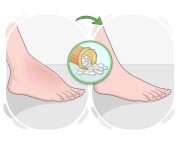
the substances, medications, or treatments that reduce inflammation and alleviate symptoms associated with inflammatory conditions, such as pain and swelling
przeciwzapalny, lek przeciwzapalny
Lek przeciwzapalny łagodzi obrzęk stawów.
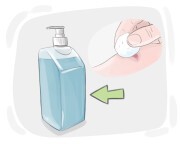
a substance that prevents infection when applied to a wound, especially by killing bacteria
środek antyseptyczny, środek dezynfekujący
Nosił małą butelkę środka antyseptycznego w swoim zestawie pierwszej pomocy na wypadek nagłych wypadków.
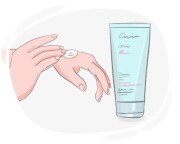
a thick, semi-solid substance used for moisturizing and soothing the skin
krem

a piece of cloth that is put around a wound to prevent infections
bandaż, opatrunek
Zawsze miał w samochodzie apteczkę pierwszej pomocy z dodatkowymi bandażami na wszelkie drobne urazy podczas wędrówek.
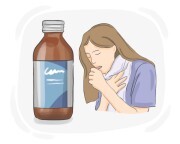
a medicine, often in a form of liquid, that one takes to relieve coughing
syrop na kaszel, lek na kaszel
Dała swojemu dziecku dawkę syropu na kaszel przed snem.
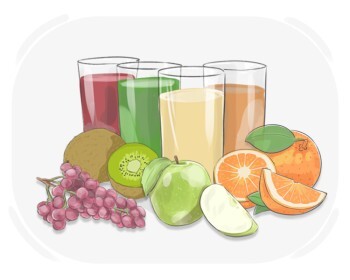
a substance that flows freely and has a fixed volume but no fixed shape
ciecz, płyn
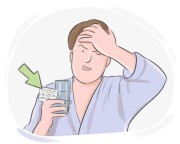
a type of medicine that is used to reduce or relieve pain
środek przeciwbólowy, lekarstwo przeciwbólowe
Omówili z farmaceutą możliwe skutki uboczne leku przeciwbólowego.
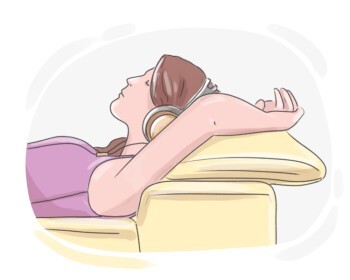
a period of relaxing, sleeping or doing nothing, especially after a period of activity
odpoczynek, przerwa
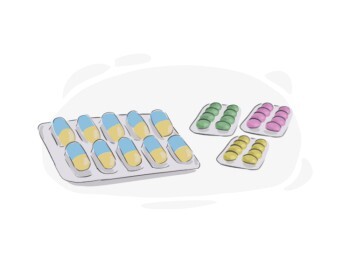
a small solid piece of medicine, usually made by compressing powdered ingredients and intended to be swallowed
tabletka, pigułka

a small candy designed to soothe a sore throat
pastylka na gardło, cukierek na gardło
Zaproponowałem jej pastylkę na gardło po tym, jak zaczęła kaszleć.

an image of the inside of a body created using X-rays
zdjęcie rentgenowskie, rentgen
Zdjęcie rentgenowskie ujawniło mały kamień w nerce pacjenta, który wymagał dalszych badań.
