pattern

Vocabulary for IELTS (Basic) - Animals

Here you will learn some English words about animals, such as "amphibian", "domestic", "mule", etc. that are needed for the IELTS exam.

Review

Flashcards

Forms

Spelling

Quiz

Start learning
Words for Basic IELTS
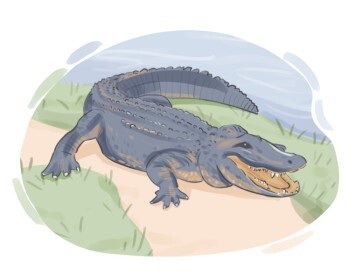
alligator
alligator
[noun]

a large animal living in both water and on land which has strong jaws, a long tail, and sharp teeth
Ex: The alligator basked in the sun on the riverbank, its formidable jaws slightly ajar. 
Close
Sign in
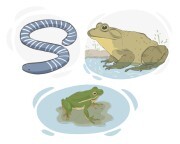
amphibian
amphibian
[noun]

any cold-blooded animal with the ability to live both on land and in water, such as toads, frogs, etc.
Ex: The frog is a well-known amphibian that lays its eggs in water and undergoes metamorphosis from tadpole to adult. 
Close
Sign in
ape
ape
[noun]

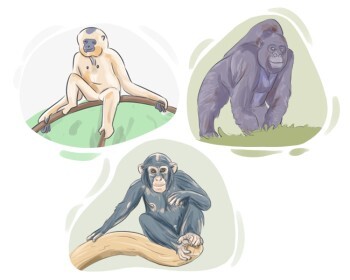
a tailless animal similar to a monkey, such as chimpanzees and gorillas
Ex: The zoo has a new exhibit featuring various species of apes, including chimpanzees and gorillas. 
Close
Sign in
beast
beast
[noun]

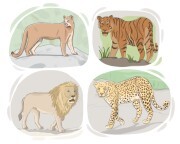
an animal, usually a wild or dangerous one
Ex: The beast roared, shaking the ground beneath it. 
Close
Sign in
to breed
to breed
[Verb]

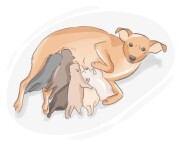
(of an animal) to have sex and give birth to young
Ex: The pair of rabbits bred successfully, resulting in a litter of adorable baby bunnies. 
Close
Sign in
calf
calf
[noun]

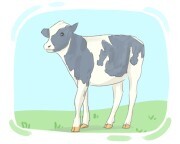
the young offspring of a cow or bull, typically less than one year old
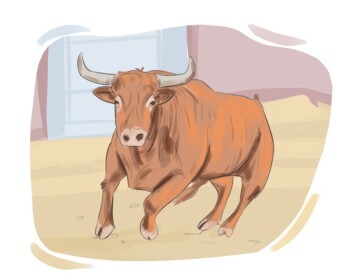
Ex: After weaning, the calf was separated from its mother and placed in a separate pen. 
Close
Sign in
bull
bull
[noun]

any male member of the cow family

Ex: The bull pawed at the ground, its breath steaming in the cold air, ready to charge. 
Close
Sign in
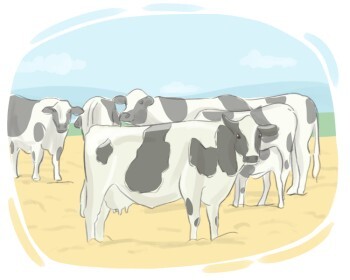
cattle
cattle
[noun]

large farm animals, such as cows and bulls, raised for meat, milk, or labor
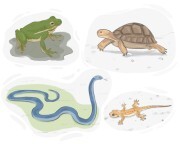
Ex: The farmer owns a large herd of cattle. 
Close
Sign in
cold-blooded
cold-blooded
[Adjective]

describing an animal that its body temperature changes depending on the temperature of its surroundings
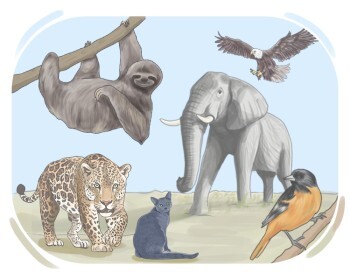
Ex: Snakes are cold-blooded animals that bask in the sun to raise their body temperature for optimal activity. 
Close
Sign in
creature
creature
[noun]

any living thing that is able to move on its own, such as an animal, fish, etc.
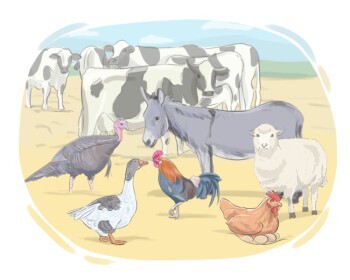
Ex: The forest was teeming with creatures of all shapes and sizes, from tiny insects to large mammals. 
Close
Sign in
domestic
domestic
[Adjective]

(of an animal) capable of living with humans, either on a farm or as a pet in a house
Ex: Domestic cats often display behaviors that show their adaptation to living alongside humans. 
Close
Sign in
giraffe
giraffe
[noun]

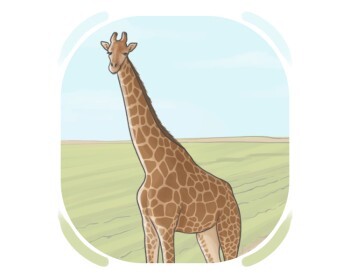
a tall animal with a very long neck and long legs that has brown spots on its yellow fur
Ex: The giraffe gracefully stretched its long neck to reach the tender leaves at the top of the tree. 
Close
Sign in
guinea pig

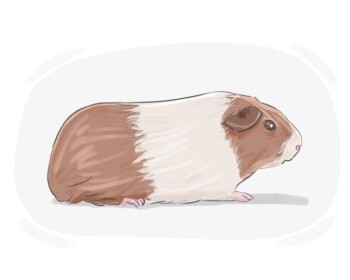
a small furry animal with rounded ears, short legs and no tail, which is often kept as a pet or for research
Ex: He cleaned the guinea pig’s cage every week. 
Close
Sign in
herd
herd
[noun]

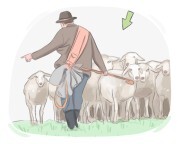
a group of animals, such as cows, sheep, etc. that are from the same species, which move and feed together
Ex: The herd of cows grazed peacefully in the meadow. 
Close
Sign in
leopard
leopard
[noun]

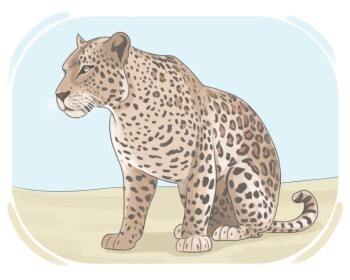
a large wild animal from the cat family with yellow fur and hollow black spots
Ex: The leopard stealthily moved through the tall grass, its spotted coat blending perfectly with the surroundings. 
Close
Sign in
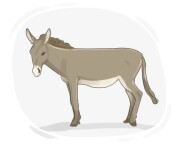
mule
mule
[noun]

an animal that is the offspring of a male donkey and a female horse, which is particularly used to carry heavy loads
Ex: The mule carried heavy loads up the steep mountain trail. 
Close
Sign in
ox
ox
[noun]

a bull used on farms to carry heavy loads, which its sex organs are partly removed

Close
Sign in
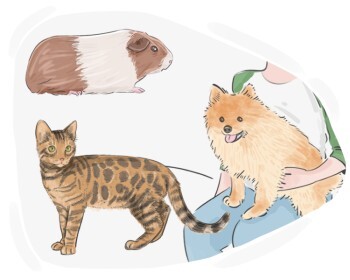
pet
pet
[noun]

an animal such as a dog or cat that we keep and care for at home
Ex: In the pet store, you can find various types of pets, such as birds, rodents, and reptiles. 
Close
Sign in
prey
prey
[noun]

an animal that is hunted and eaten by another animal

Ex: The lion silently stalked its prey through the tall grass. 
Close
Sign in
primate
primate
[noun]

any mammalian animal that belongs to the same group as humans, such as monkeys, apes, lemurs, etc.
Close
Sign in
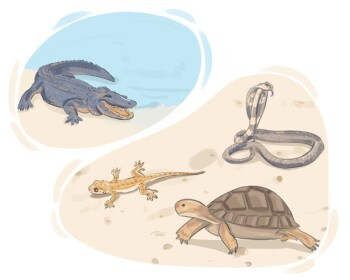
reptile
reptile
[noun]

a class of animals to which crocodiles, lizards, etc. belong, characterized by having cold blood and scaly skin
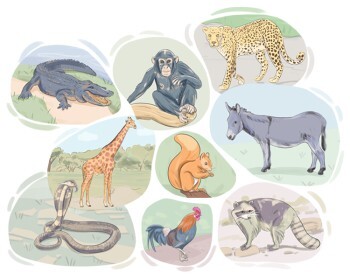
Ex: A reptile like a snake can survive in a wide range of environments. 
Close
Sign in
species
species
[noun]

a group that animals, plants, etc. of the same type which are capable of producing healthy offspring with each other are divided into
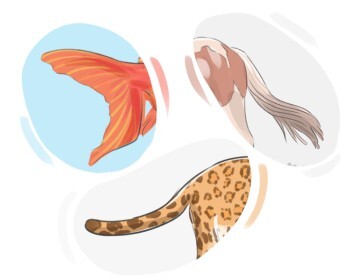
Ex: The Galapagos finches are a classic example of how different species can evolve from a common ancestor. 
Close
Sign in
tail
tail
[noun]

the part of the body of an animal, a bird or a fish that sticks out at the back, which can move
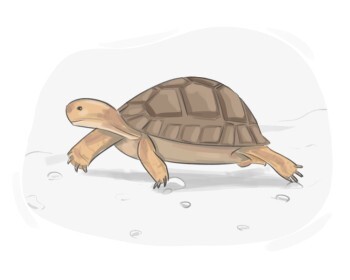
Ex: My cat has a long and bushy tail. 
Close
Sign in
tortoise
tortoise
[noun]

a type of turtle that lives on land and moves very slowly, with a large shell on its back
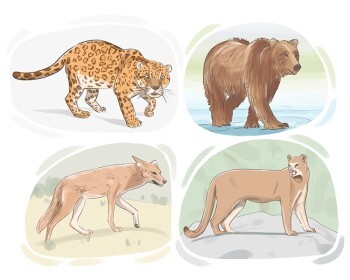
Ex: The ancient tortoise slowly made its way across the sun-baked desert. 
Close
Sign in
wild
wild
[Adjective]

(of an animal or plant) living or growing in a natural state, without any human interference

Ex: During the camping trip, we heard the calls of wild birds echoing through the woods. 
Close
Sign in
predator
predator
[noun]

any animal that lives by hunting and eating other animals
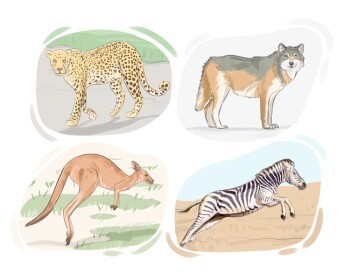
Ex: The lion is a formidable predator, using its strength and agility to hunt large herbivores such as zebras and wildebeests. 
Close
Sign in
mammal
mammal
[noun]

a class of animals to which humans, cows, lions, etc. belong, have warm blood, fur or hair and typically produce milk to feed their young
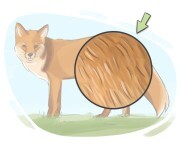
Ex: The bat is the only mammal capable of sustained flight. 
Close
Sign in
fur
fur
[noun]

the skin of an animal that has died with its thick and soft hair still on it
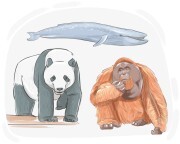
Ex: In the dim light of the antique shop, a coat made from the fur of a fox caught my eye. 
Close
Sign in
endangered
endangered
[Adjective]

(of an animal, plant, etc.) being at risk of extinction
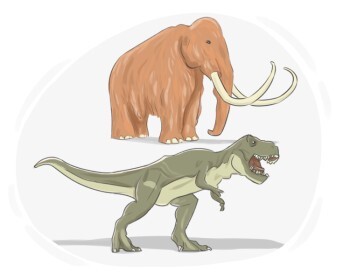
Ex: The endangered sea turtle population is declining rapidly due to pollution and habitat destruction. 
Close
Sign in
extinction

a situation in which a particular animal or plant no longer exists

Close
Sign in
LanGeek
Download LanGeek app