

pattern

Umiejętności Słowne SAT 4 - Lekcja 14

Przegląd

Fiszki

formy

Pisownia

Test

Zacznij naukę
SAT Word Skills 4
pathos
pathos
[Rzeczownik]

a quality that evokes deep emotions, particularly feelings of pity, sorrow, or empathy

patos, głębokie emocje

patos, głębokie emocje

Ex: The film's ending was filled with pathos, leaving the audience in tears. 
pathology
pathology
[Rzeczownik]

a branch of medical science primarily focusing on the study of the causes and effects of disease or injury

patologia

patologia

Ex: The hospital offers specialized services in pathology, including the analysis of tissue samples for diagnostic purposes. 
stripling
stripling
[Rzeczownik]

a young man who has not grown up enough to be considered an adult

młodzieniec, chłopak

młodzieniec, chłopak

Ex: The stripling dreamed of becoming a knight, though he was still too young. 
stringent
stringent
[przymiotnik]

(of a law, regulation, rule, etc.) extremely limiting and strict

surowy, rygorystyczny

surowy, rygorystyczny

Ex: The company had stringent rules about employee conduct. 
stricture
stricture
[Rzeczownik]

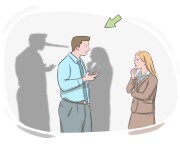
a severe criticism of something or someone

ostra krytyka, nagana
ostra krytyka, nagana

Ex: The politician faced harsh stricture from the media for his controversial remarks. 
dishonest
dishonest
[przymiotnik]

not truthful or trustworthy, often engaging in immoral behavior

nieuczciwy, zwodniczy

nieuczciwy, zwodniczy

Ex: He was caught being dishonest about his involvement in the incident. 
discrete
discrete
[przymiotnik]

individually separate and easily identifiable

dyskretny, oddzielny

dyskretny, oddzielny

Ex: The course was divided into discrete modules, each focusing on a specific topic. 
discretion
discretion
[Rzeczownik]

the power or freedom of making decisions in a particular situation

dyskrecja, władza dyskrecjonalna

dyskrecja, władza dyskrecjonalna

Ex: The judge used her discretion to grant the defendant a more lenient sentence. 
to discriminate
to discriminate
[Czasownik]

to identify or perceive differences between two or more things, people, or ideas

rozróżniać, odróżniać

rozróżniać, odróżniać

Ex: He can discriminate between similar shades of blue with ease. 
to disdain
to disdain
[Czasownik]

to think of someone as unworthy of respect and attention

gardzić, lekceważyć

gardzić, lekceważyć

Ex: He openly disdained the suggestion, considering it beneath his expertise. 
disheveled
disheveled
[przymiotnik]

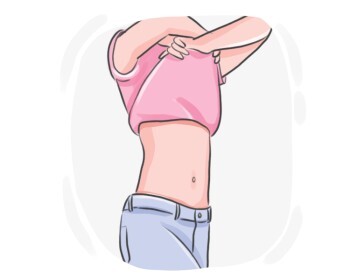
having an untidy appearance

rozczochrany, nieporządny
rozczochrany, nieporządny

Ex: His hair was disheveled after the long day at work. 
to disrobe
to disrobe
[Czasownik]

to remove one's clothing

rozebrać się, zdjąć ubranie

rozebrać się, zdjąć ubranie

Ex: Before entering the sauna, guests were instructed to disrobe and use provided towels. 
to excruciate
to excruciate
[Czasownik]

to torture someone physically

torturować, dręczyć

torturować, dręczyć

Ex: The cruel captors excruciated their prisoners with severe beatings. 
excusable
excusable
[przymiotnik]

able to be forgiven

wybaczalny, usprawiedliwiony

wybaczalny, usprawiedliwiony

Ex: His mistake was excusable, considering the challenging circumstances he faced. 
exegesis
exegesis
[Rzeczownik]

an interpretation and thorough explanation of a piece of writing, particularly a religious one

egzegeza

egzegeza

Ex: The professor’s exegesis of the ancient text provided new insights into its meaning. 
executor
executor
[Rzeczownik]

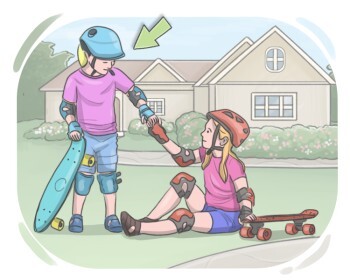
an institution or person assigned to make sure all the contents of a will are carried out

wykonawca testamentu, zarządca spadku
wykonawca testamentu, zarządca spadku

Ex: The lawyer was appointed as the executor of the late entrepreneur’s estate. 
humane
humane
[przymiotnik]

showing compassion, kindness, and consideration towards others

humanitarny, współczujący

humanitarny, współczujący

Ex: The humane treatment of animals is a fundamental principle of ethical farming practices. 
humanitarian
humanitarian
[przymiotnik]

showing concern for the well-being of people and acting to improve human welfare

humanitarny, charytatywny

humanitarny, charytatywny

Ex: She is known for her humanitarian work in disaster zones. 
to humanize
to humanize
[Czasownik]

to make more civilized and suitable for people

humanizować, czynić bardziej ludzkim

humanizować, czynić bardziej ludzkim

Ex: The city worked to humanize the urban space by adding parks and pedestrian areas. 
deshabille
deshabille
[Rzeczownik]

the state of being clothed only partly or carelessly

nieład

nieład

Ex: He stumbled into the office in deshabille, looking as if he had hastily thrown on his clothes. 
LanGeek
Pobierz aplikację LanGeek