
Zwierzęta - Verbs Relating to Animals
Tutaj nauczysz się niektórych angielskich czasowników związanych ze zwierzętami, takich jak "chodzić jak kaczka", "galopować" i "dziobać".
Przegląd
Fiszki
formy
Pisownia
Test
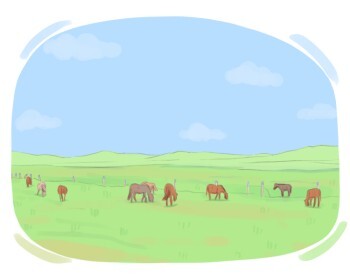
(of sheep, cows, etc.) to feed on the grass in a field

paść się, skubać trawę
Konie były zadowolone, gdy pasły się na bujnej zielonej trawie.

to pursue and capture or kill other animals as a means of securing food or defending territory
polować, ścigać
Orzeł poluje na małe ssaki z dużych wysokości z niesamowitą precyzją.
(of an aircraft or a bird) to descend steeply in the air
nurkować, pikować
Pilot kaskaderski podniecił publiczność, powodując, że samolot nurkował i wznosił się w szybkiej kolejności.
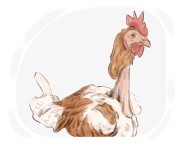
(of animals or birds) to lose hair, feathers, etc. temporarily before they grow back
linieć, gubić pióra
Orzeł zrzuci swoje pióra w ciągu najbliższych kilku tygodni w przygotowaniu do sezonu łowieckiego.
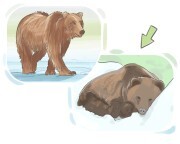
(of some animals or plants) to spend the winter sleeping deeply
hibernować, spędzać zimę w stanie hibernacji
Popielice są znane z hibernacji w gniazdach ukrytych w dziuplach drzew lub podziemnych tunelach.
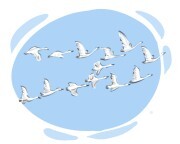
(of fish, birds, or other animals) to move to different geographic areas according to seasons in order to breed, find food, or escape harsh environmental conditions
migrować
Lisy polarne migrują sezonowo przez tundrę w poszukiwaniu pożywienia.
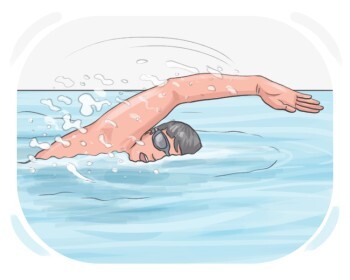
to move through water by moving parts of the body, typically arms and legs
pływać, uprawiać pływanie
Dzieci pływały całe popołudnie na plaży.
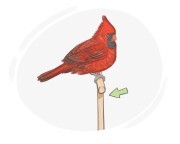
(of a bird) to land and rest on something, such as a branch, bar, etc.
przysiadać, siadać
Sowa usiadła na gałęzi, czekając na zapadnięcie zmroku.
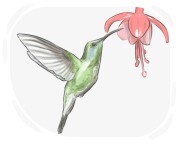
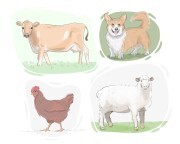
to change wild animals or plants for human use or cultivation
udomowić, oswoić
Proces udomowienia koni zrewolucjonizował transport i rolnictwo.
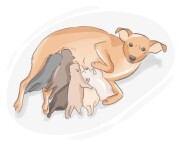
(of an animal or baby) to take or eat food
karmić, żywić
Dziecko jadło cicho, ukojone delikatnym kołysaniem.
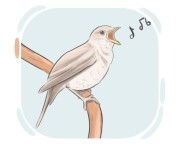
(of birds) to make high-pitched and pleasing sounds
śpiewać, świergotać
Uwielbiał budzić się, słysząc śpiew ptaków za oknem.
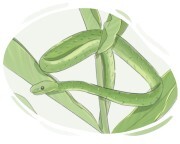
to blend in with the surroundings to avoid being seen or detected
maskować się, wtapiać się
Jaszczurka maskuje się, zmieniając kolor swojej skóry.
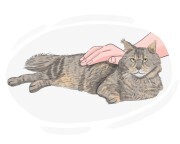
to rub gently or caress an animal's fur or hair
głaskać, przeciągać dłonią po
Koń pochylił się w stronę dotyku jeźdźca, gdy ten nadal gładził jego grzywę po przejażdżce.
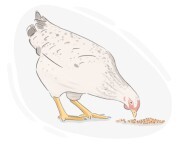
(of a bird) to move the beak in a sudden movement and bite something
dziobać, skubać
Ptaki często dziobią ziemię, aby znaleźć owady i nasiona.
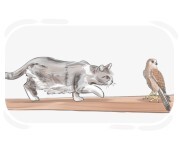
to move stealthily or quietly towards prey or a target, typically in a deliberate and calculated manner
skradać się, podchodzić
Drapieżnik cicho śledził ranne zwierzę, czekając na odpowiedni moment do ataku.
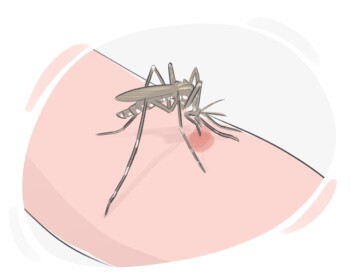
(of an animal or insect) to pierce the skin of another animal or a human, typically injecting poison, either in self-defense or while preying
żądlić, gryźć
Szerszeń żądlł intruza wielokrotnie, aby bronić swojego gniazda.
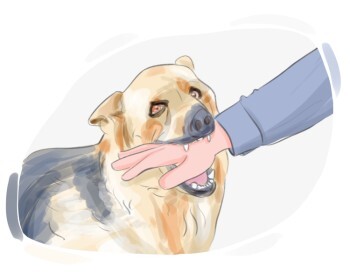
to cut into flesh, food, etc. using the teeth
gryźć, żuć
Maluch próbował ugryźć soczyste jabłko, ale struggled ze swoimi małymi zębami.
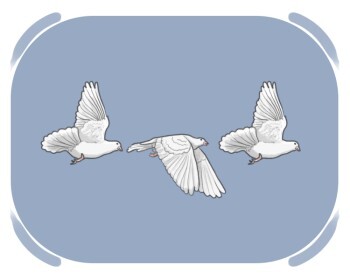
to go higher while flying
wznieść się, szybować
Gdy balon na gorące powietrze został wypuszczony, zaczął wznosić się z gracją nad wsią.
to move smoothly and quietly, like a snake
ślizgać się, pełzać
Rzeczny wąż przesunął się wzdłuż błotnistego brzegu.
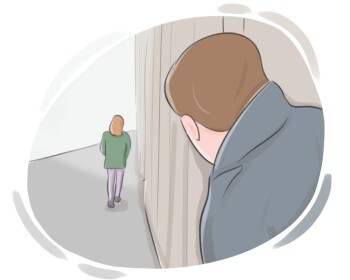
to follow a person or thing and see where they go, often for the purpose of catching them
gonić, ścigać
Kot skrycie gonił mysz przez podwórko.
(of a bird or an animal) to move forward by jumping on all feet
skakać, podskakiwać
Królik w ogrodzie często podskakiwał, pokonując krótkie odległości każdym skokiem.
to react or respond with anger, irritation, or indignation, often by stiffening or erecting hairs or bristles on the body
najeżyć się, irytować się
(of a horse) to leap or jump with its back arched, typically in an attempt to throw off a rider or in a show of resistance
szarżować, stawać dęba
Koń rzucił się i kopał w stajni, pragnąc biegać swobodnie.
to twist or pull fibers together to form a continuous thread or yarn
prząść, skręcać
Pracując przy kołowrotku jedwabnym, rzemieślnik przędł włókna jedwabiu w luksusowe nici.
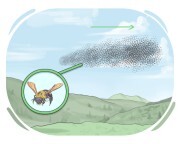
to gather or travel to a place in large, dense groups
roić się, napływać
Komary roiły się nad jeziorem, gdy zachodziło słońce.
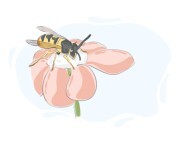
to deposit pollen on a plant or flower so that it can produce new seeds or fruit
zapylać, zapładniać
Motyle i inne owady odgrywają kluczową rolę w zapylaniu różnych roślin kwitnących.
(of a bird) to produce a melodious, trilling, or warbling song with a series of varying notes and pitches
świergotać, szczebiotać
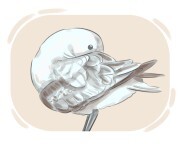
to groom oneself or another individual by straightening and cleaning the feathers or fur using the beak or tongue
czyścić pióra, upiększać się
to build a nest or live in it
gnieździć się, wić gniazdo
Niektóre gatunki żółwi pokonują duże odległości, aby gnieździć się na określonych plażach, gdzie kopią dziury, aby złożyć jaja.
to shed or cast off of old skin, scales, feathers, or horns, typically as part of a natural growth
zrzucać, pozbywać się
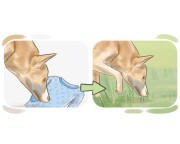
to track something using one's sense of smell, typically performed by animals to locate food, identify potential threats, or find mates
węszyć, śledzić
Wykwalifikowany tropiciel wywęszył wiele trudnych do znalezienia zwierząt w swojej karierze.
to search for and consume decaying or dead organic matter as a source of food, often done by animals
żywienie się padliną, szukać pożywienia w rozkładającej się materii organicznej
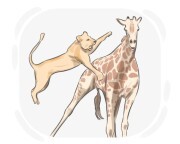
to hunt, capture, and eat other animals as a means of survival
polować, żerować
W głębinach oceanu większe ryby polują na mniejsze, aby przeżyć.
to stand or rise onto the back legs, usually referring to animals
stawać dęba, podnosić się na tylnych nogach
Pies stanął na tylnych łapach, próbując złapać zabawkę.
to scrape, strike, or handle something using the paws
drapać, uderzać łapą
Ona obserwowała, jak kotek bawi się zabawką łapką.
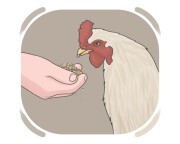
to regularly eat a specific type of food to stay alive and grow
żywić się, odżywiać się
Niemowlęta żywią się mlekiem, aby uzyskać niezbędne składniki odżywcze we wczesnych etapach rozwoju.
to cause a marine animal to come onto shore or land, either intentionally or unintentionally
wyrzucać na brzeg, osiadać na mieliźnie
to move about in a lively and playful way, usually by jumping or running, as seen in the behavior of young or excited animals
hasać, skakać
Gdy młody słoń odkrył kałużę, nie mógł się oprzeć baraszkowaniu trąbą i nogami w wodzie.
to play or engage in lively, joyful, and often energetic or spontaneous activities
baraszkować, figlować
to shake, fluff up, or disarrange the feathers of a bird, either as a sign of agitation, aggression, or fear, or as a part of their natural grooming behavior
nastroszyć, najeżyć
to expel a fine mist or stream of liquid or other substance from the body, often as a defense mechanism or as a way to mark territory or communicate with other animals
rozpylać, spryskiwać
Samiec kota spryskał słupki ogrodzenia feromonami, aby przyciągnąć potencjalnych partnerów.
to startle or suddenly move away from something or someone, often due to fear, timidity, or a desire to avoid contact or attention
płoszyć się, uchylić się
Jeleń przestraszył się dźwięku kroków i zniknął w lesie z gracją skacząc.
to scratch or scrape at a surface with hands or claws
drapać, skrobać
Ona drapała zamek, próbując go otworzyć.
to dig or search for something by using the snout, as done by certain animals like pigs
ryć, grzebać
Patrzyła, jak prosięta zabawowo ryją w miękkiej ziemi.
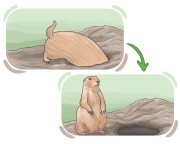
to dig a hole or tunnel into the ground or other surface to create a space for shelter or habitation
kopać, ryć
Króliki ryją w ziemi, aby stworzyć podziemne schronienia.
to chew food that has been regurgitated from the stomach, as done by certain animals like cows
przeżuwać, żuć zwrócony z żołądka pokarm
Krowa spokojnie przeżuwa w cieniu.
(of a horse or other animals) to move at a speed faster than a walk and slower than a canter
kłusować, iść kłusem
Kuc kłusował żwawo, niosąc młodego jeźdźca z poczuciem pewności siebie.
to eat vegetation such as young shoots or foliage in a meadow, pasture, or woodland
skubać, paść się
Bydło pasie się na delikatnych pędach w porze suchej.
to bound or run with long, easy strides, often seen in animals such as horses, wolves, or gazelles
galopować, skakać
to walk with a confident and often arrogant gait
przechadzać się dumnie, chodzić z arogancją
Oni przechadzali się dumnie obok swoich rywali po wielkim zwycięstwie.
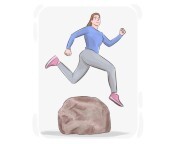
to jump very high or over a long distance
skakać, przeskakiwać
Podczas freerunningowej rutyny sportowiec przeskakiwał z dachu na dach z niesamowitą zwinnością.
to move quickly and lightly from somewhere or something to another
fruwać, przelatywać
Jego uwaga przelatuje od jednego zadania do drugiego, co utrudnia skupienie się na czymkolwiek przez dłuższy czas.
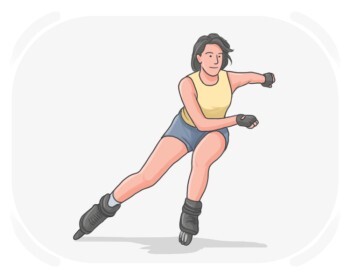
to move smoothly and effortlessly through the air or on a surface with little or no propulsion
szybować, ślizgać się
Szybkim ruchem przesunęła się po gładkim chodniku na swoich rolkach.
to move or flap rapidly and lightly, typically referring to the motion of wings, leaves, or other flexible objects
trzepotać, machać skrzydłami
Flaga powiewała dumnie na szczycie masztu na wietrze.
to run or move quickly and playfully with small, light steps
biegać szybko i figlarnie, poruszać się szybko i zabawowo
Słysząc dźwięk torby z przysmakami, podekscytowany chomik podbiegł do swojego właściciela.
to move stealthily and with intent, especially by a predatory animal
skradać się, poruszać się po cichu
to leap or spring forward with energy and enthusiasm, often with all feet leaving the ground simultaneously
skakać, podskakiwać
Młoda gazela przeskakiwała przez sawannę, utrzymując tempo swojego stada w zabawowy sposób.
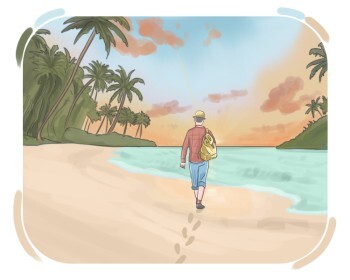
to walk at a slow and leisurely pace, usually without any particular purpose or urgency
przechadzać się, spacerować
Gdy słońce zachodziło, mieszkańcy nadmorskiej wioski często przechadzali się po plaży.
to quickly and unexpectedly attack a group or place to surround and capture them
napaść, zaatakować
Siły rządowe przeprowadziły atak z zaskoczenia, nalatując na kryjówkę rebeliantów głęboko w dżungli.
to walk with short, clumsy steps and a swaying motion from side to side, typically as a result of being overweight or having short legs
chodzić kołysząc się, dreptać
Kaczątka dreptały za swoją matką, gdy prowadziła je do stawu na pierwszą kąpiel.
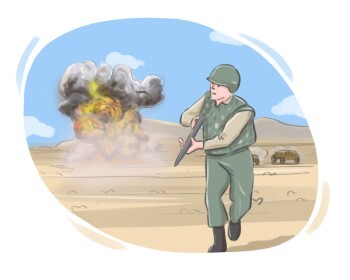
to attack violently and suddenly in a battle
atakować, szturmować
Rycerze dosiedli koni i przygotowali się do ataku na twierdzę wroga.
to move or travel through the air
latać
Latawce latają wyżej w wietrzne dni.
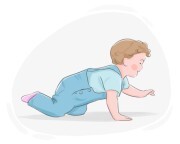
to move slowly with the body near the ground or on the hands and knees
czołgać się, pełzać
Żołnierz posuwał się ostrożnie, decydując się czołgać przez błotnisty okop, aby uniknąć zauważenia przez wroga.
to move in a slow, heavy, and awkward manner, often due to the size or weight of the body or object being carried
poruszać się ociężale, posuwać się z trudem
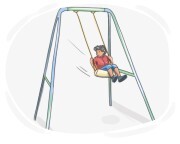
to move or make something move from one side to another while suspended
kołysać się, wahać się
Zegar wahadłowy kołysał się tam i z powrotem z rytmicznym tykaniem.
