pattern

Słownictwo Kluczowych Naukowców - Alexander Graham Bell

Przegląd

Fiszki

formy

Pisownia

Test

Zacznij naukę
Key Scientists Vocabulary
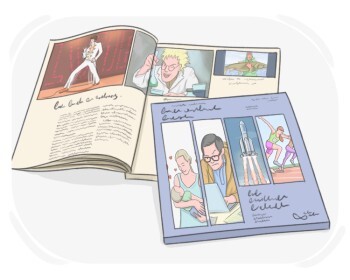
magazine
magazine
[Rzeczownik]

a colorful thin book that has news, pictures, and stories about different things like fashion, sports, and animals, usually issued weekly or monthly

czasopismo, magazyn
czasopismo, magazyn

Ex: I often read parenting magazines to get advice on raising my children. 
education
education
[Rzeczownik]

knowledge acquired by learning and instruction

edukacja,  nauczanie

edukacja, nauczanie

all over the (world|globe)

in every part of the world

Ex: The brand is recognized all over the world. 
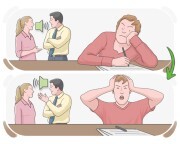
to distract
to distract
[Czasownik]

to cause someone to lose their focus or attention from something they were doing or thinking about

rozpraszać, odwracać uwagę

rozpraszać, odwracać uwagę

Ex: During the important meeting, the constant tapping of a pen began to distract everyone in the room. 
Scotland
Scotland
[Rzeczownik]

a European country in the northern United Kingdom

Szkocja, kraj Szkocja

Szkocja, kraj Szkocja

Ex: Scotland is known for its breathtaking landscapes, including the Highlands and numerous lochs. 
famous
famous
[przymiotnik]

known by a lot of people

sławny, znany
sławny, znany

Ex: The famous singer performed to a sold-out crowd at the arena. 
to invent
to invent
[Czasownik]

to make or design something that did not exist before

wynaleźć, stworzyć
wynaleźć, stworzyć

Ex: Thomas Edison invented the electric light bulb, revolutionizing illumination. 
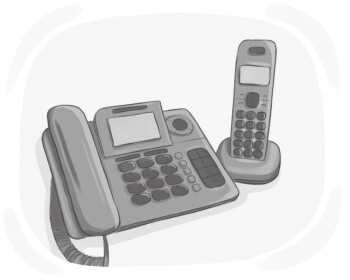
telephone
telephone
[Rzeczownik]

a communication device used for talking to people who are far away and also have a similar device

telefon, komórka
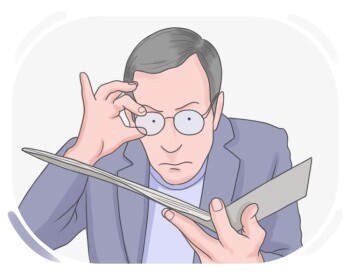
telefon, komórka

Ex: He needs to recharge his telephone battery. 
interested
interested
[przymiotnik]

having a feeling of curiosity or attention toward a particular thing or person because one likes them

zainteresowany, ciekawy
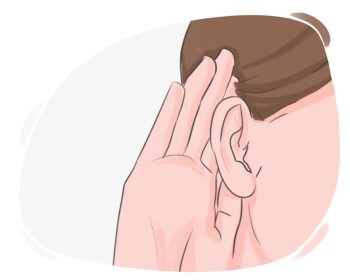
zainteresowany, ciekawy

Ex: She was genuinely interested in learning French. 
to hear
to hear
[Czasownik]

to notice the sound a person or thing is making

słyszeć, usłyszeć

słyszeć, usłyszeć

Ex: I heard footsteps behind me and quickly turned around. 
to move
to move
[Czasownik]

to change one's place of residence or work

przeprowadzać się, przenosić się

przeprowadzać się, przenosić się

Ex: He is moving to a different country to pursue his career. 
Canada
Canada
[Rzeczownik]

the second largest country in the world that is in the northern part of North America

Kanada
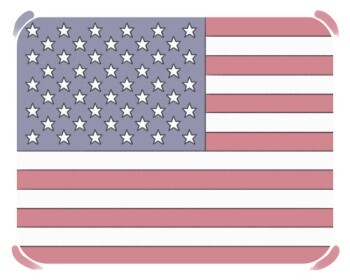
Kanada

Ex: Canada celebrates its national day, Canada Day, on July 1st. 
the United States
the United States
[Rzeczownik]

a country in North America that has 50 states

Stany Zjednoczone
Stany Zjednoczone

Ex: English is the primary language spoken in the United States. 
deaf
deaf
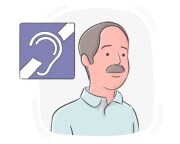
[przymiotnik]

partly or completely unable to hear

głuchy, niedosłyszący
głuchy, niedosłyszący

Ex: The deaf child communicates using sign language. 
wire
wire
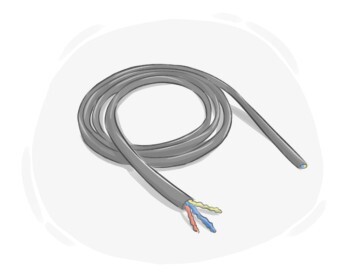
[Rzeczownik]

a long and thin piece of metal that carries an electric current

drut, kabel
drut, kabel

Ex: The electrician installed new wire to ensure the lights functioned properly. 
to happen
to happen
[Czasownik]

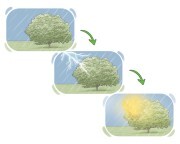
to come into existence by chance or as a consequence

zdarzyć się, wydarzyć się

zdarzyć się, wydarzyć się

Ex: An unexpected storm can happen at any time of year. 
by accident
by accident
[przysłówek]

without any intention or planning

przypadkowo, niechcący
przypadkowo, niechcący

Ex: She broke the vase by accident while cleaning the shelf. 
telegraph
telegraph
[Rzeczownik]

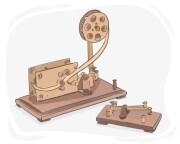
a communication system by which people were able to send and receive messages over long distances, using electrical or radio signals

telegraf, system telegraficzny

telegraf, system telegraficzny

Ex: The old train station still has a room dedicated to the telegraph, showcasing relics from the past. 
helper
helper
[Rzeczownik]

a person who assists in completing a task or reaching a goal

pomocnik, asystent

pomocnik, asystent

Ex: The teacher's aide was a valuable helper in managing the classroom and assisting students. 
invention
invention
[Rzeczownik]

a brand new machine, tool, or process that is made after study and experiment

wynalazek
wynalazek

Ex: The invention of the smartphone revolutionized the way we communicate and access information. 
distance
distance
[Rzeczownik]

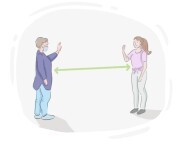
the length of the space that is between two places or points

odległość

odległość

Ex: The distance between New York City and Los Angeles is over 2,700 miles. 
phonograph
phonograph
[Rzeczownik]

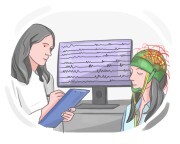
machine in which rotating records cause a stylus to vibrate and the vibrations are amplified acoustically or electronically

fonograf, gramofon

fonograf, gramofon

to record
to record
[Czasownik]

to capture sound or a performance in a format that can be reproduced or broadcast later

nagrywać, rejestrować

nagrywać, rejestrować

Ex: Right now, the reporter is recording an interview with the celebrity. 
scientific
scientific
[przymiotnik]

relating to or involving science

naukowy
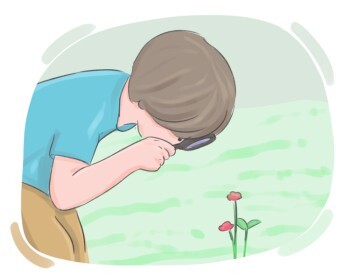
naukowy

Ex: The scientist conducted a series of scientific experiments to test the hypothesis. 
curious
curious
[przymiotnik]

(of a person) interested in learning and knowing about things

ciekawy, zainteresowany

ciekawy, zainteresowany

Ex: She's so curious; she always asks questions and loves to explore new topics. 
to explore
to explore
[Czasownik]

to investigate something to gain knowledge or understanding about it

badać, eksplorować

badać, eksplorować

Ex: The researchers explored the effects of climate change on local ecosystems, conducting experiments to gather data and analyze their findings. 
plus
plus
[Przyimek]

used to introduce an additional fact, feature, or point

dodatkowo, plus

dodatkowo, plus

Ex: The weather was beautiful, plus there were free ice cream samples at the park. 
LanGeek
Pobierz aplikację LanGeek