
Vocabulário Avançado para o GRE - Esfera Cultural e Artes
Aqui você aprenderá algumas palavras em inglês sobre arte e cultura, como "elegíaco", "jejune", "trivial", etc., que são necessárias para o exame GRE.
Revisar
Flashcards
Ortografia
Quiz


relating to the enjoyment or appreciation of beauty or art, especially visual art

estético
O blog dela é dedicado a explorar os aspectos estéticos da arquitetura contemporânea.
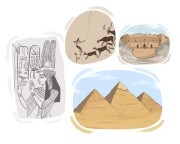
dating back to the ancient past
arcaico, antigo
O armamento arcaico, como lanças e escudos, era usado pelos guerreiros nas batalhas antigas.
including a wide range of people with different nationalities and cultures
cosmopolita
O corpo discente cosmopolita da universidade fomentou um ambiente de compreensão global.
expressing or displaying the sadness and sorrow felt due to loss, death, or a past event
elegíaco, fúnebre
No cemitério, a atmosfera elegíaca era palpável entre os enlutados.
able to create many great intellectual or creative ideas, things, etc.
fecundo, produtivo
A abordagem fecunda do artista à escultura trouxe novos estilos para o centro das atenções.
expressing oneself in a lofty or overly elaborate manner to impress others
grandiloquente, pomposo
O narrador do romance tinha um estilo grandiloquente que beirava a paródia.
displaying simplicity, immaturity, or inexperience
simplista, inexperiente
O romance foi criticado por seu enredo e personagens ingênuos, faltando a profundidade esperada de um autor maduro.
extremely sorrowful and serious
lúgubre, fúnebre
As cores lúgubres da pintura transmitiam uma sensação de profunda melancolia.
lacking elements that arouse interest, cause excitement, or show imagination
banal, ordinário
A apresentação dela foi bem organizada, mas bastante comum em seu conteúdo.
not being interested, fond, or understanding of serious works of music, art, literature, etc.
filisteu, inculto
A tentativa da galeria de envolver um público filisteu com arte pop não foi bem-sucedida.
possessing the quality of being very boring, slow, and serious, particularly used for speeches and writings
pesado, entediante
Sua entrega pesada do discurso parecia colocar o público para dormir.
(mainly of ideas, opinions, or remarks) used so often that it no longer has the same effect or originality
trivial, batido
As piadas do comediante eram tão batidas que mal arrancaram risadas.
a literary device that uses a mixture of unpleasant, inharmonious, and harsh sounds to show disorder or chaos
cacofonia, discordância
A cacofonia de sons no conto refletia a descida do protagonista à loucura, com cada barulho amplificando seu senso de paranoia e medo.
a slow and constant increase in the loudness of a musical piece
crescendo, aumento progressivo
O crescendo na música acrescentou uma profundidade emocional à performance.
being an artificial, fake, or inferior substitute for something genuine or authentic
artificial, falso
A pintura revelou-se uma obra-prima ersatz, criada por um falsificador numa tentativa de enganar colecionadores de arte.
a technique used in speech and writing to exaggerate the extent of something
hipérbole, exagero
O discurso do político estava repleto de hipérbole, prometendo "resolver todos os problemas da sociedade da noite para o dia" se eleito.
a song, musical piece, poem, etc. that expresses the feeling of sorrow and sadness after a loss or death
lamento, elegia
O romance incluía um lamento do protagonista que destacava seu profundo senso de perda.
a drawing, speech, or text aiming to criticize something or someone in a humorous manner
uma sátira, uma paródia
A lampoon na revista de sátira criticou inteligentemente o manejo da crise pelo governo.
the humorous and incorrect use of a word that sounds similar to the intended word
o malapropismo, o uso incorreto de palavras
O malapropismo do professor, quando ele disse "a lei da oferta e da procura" como "a lei da oferta e da procura", levou a um momento descontraído em sala de aula.
the constant lack of change and variety that is boring
monotonia, uniformidade
Para quebrar a monotonia, eles decidiram adicionar algumas aventuras espontâneas aos seus fins de semana.
a manuscript that was written on, erased, and written on again and again, while the previous text was still partially visible
palimpsesto, manuscrito reescrito
O manuscrito em pergaminho era um palimpsesto, com tinta desbotada e fracos traços de escrita apagada, tornando-o um quebra-cabeça desafiador para historiadores e pesquisadores decifrarem.
an introductory or preliminary section of a book, statute, document, etc. giving information about its purpose
preâmbulo, introdução
O resumo jurídico começou com um preâmbulo que esclarecia o contexto e a importância do caso.
the beginning section of a movie, book, play, etc. that introduces the work
prólogo, introdução
No prólogo do filme, os espectadores tiveram um vislumbre da história que explicava o enredo.
the act of repeating the key points or parts of something in order to summarize it
recapitulação, resumo
A recapitulação do treinador no final do workshop reforçou as habilidades essenciais aprendidas.
a piece of writing or a speech that is long and boring
um texto longo e entediante, um discurso longo e entediante
A palestra do professor foi um discurso longo e entediante de jargão que deixou os alunos confusos e desinteressados.
to delete the sections or words that are believed to be offensive or inappropriate from a play, movie, book, etc.
expurgar, censurar
Ao adaptar o livro para crianças, eles tiveram que censurar muitos dos temas e linguagem maduros.
to bring ideas, texts, things, etc. together and create something new
fundir, combinar
A nova política conflui vários regulamentos existentes em uma estrutura mais simplificada.
