
Расширенный словарный запас для GRE - культура
Здесь вы узнаете некоторые английские слова об искусстве и культуре, такие как "элегический", "незрелый", "банальный" и т. д., которые необходимы для экзамена GRE.
Обзор
Флэш-карточки
Правописание
Тест


relating to the enjoyment or appreciation of beauty or art, especially visual art

эстетический
У нее отличное эстетическое чувство, когда дело доходит до дизайна интерьера.
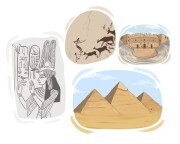
dating back to the ancient past
архаичный
Ученые изучают архаичные символы, обнаруженные в доисторических наскальных рисунках.
including a wide range of people with different nationalities and cultures
космополитический
Космополитичная атмосфера города сделала его плавильным котлом различных культур.
expressing or displaying the sadness and sorrow felt due to loss, death, or a past event
элегический
Стихотворение имело элегический тон, оплакивая потерю любимого друга.
able to create many great intellectual or creative ideas, things, etc.
плодовитый
Плодовитое воображение художника привело к созданию серии новаторских работ.
expressing oneself in a lofty or overly elaborate manner to impress others
Высокопарный
Рекламная кампания полагалась на высокопарные лозунги, а не на четкие сообщения.
displaying simplicity, immaturity, or inexperience
ребяческий
Его упрощенческий подход к сложному вопросу отражал его неопытность и недостаток понимания.
extremely sorrowful and serious
мрачный
Мрачный саундтрек фильма задал тон глубокой печали.
lacking elements that arouse interest, cause excitement, or show imagination
скучноватый
Лекция была информативной, хотя и несколько заурядной в подаче.
not being interested, fond, or understanding of serious works of music, art, literature, etc.
обыватель
Его филистерские замечания о картине выявили его отсутствие понимания искусства.
possessing the quality of being very boring, slow, and serious, particularly used for speeches and writings
утомительный
Тяжелая лекция профессора затрудняла студентам бодрствование.
(mainly of ideas, opinions, or remarks) used so often that it no longer has the same effect or originality
банальный
Его речь была наполнена избитыми фразами, которые не смогли вдохновить аудиторию.
a literary device that uses a mixture of unpleasant, inharmonious, and harsh sounds to show disorder or chaos
какофония
В стихотворении поэт использовал какофонию, чтобы передать бурные эмоции главного героя, борющегося с внутренними потрясениями.
a slow and constant increase in the loudness of a musical piece
крещендо
Симфония достигла мощного крещендо, оставив публику бездыханной.
being an artificial, fake, or inferior substitute for something genuine or authentic
суррогатный
В ресторане подавали эрзац-кофе, приготовленный из корней цикория, лишенный богатого вкуса настоящих зерен.
a technique used in speech and writing to exaggerate the extent of something
преувеличение
Его заявление о том, что он спал целый век, было гиперболой, чтобы выразить свою усталость.
a song, musical piece, poem, etc. that expresses the feeling of sorrow and sadness after a loss or death
причитание
Плач, исполненный на похоронах, отразил горе присутствующих.
a drawing, speech, or text aiming to criticize something or someone in a humorous manner
памфлет, пасквиль
В редакционной статье использовалась остроумная пародия, чтобы высмеять недавний промах политика.
the humorous and incorrect use of a word that sounds similar to the intended word
малапропизм
Использование автором малапропизмов в романе добавило юмористический элемент в диалог между персонажами.
the constant lack of change and variety that is boring
монотонность
Бесконечные бежевые кабинки в офисе добавляли к ежедневной монотонности его работы.
a manuscript that was written on, erased, and written on again and again, while the previous text was still partially visible
палимпсест
Древний свиток был палимпсестом, со слоями текста, соскобленными и переписанными новыми надписями, открывая проблески его более раннего содержания.
an introductory or preliminary section of a book, statute, document, etc. giving information about its purpose
предисловие
Она прочитала преамбулу, чтобы понять контекст юридического документа.
the beginning section of a movie, book, play, etc. that introduces the work
пролог
Пролог романа задал сцену для эпического приключения, которое последовало.
the act of repeating the key points or parts of something in order to summarize it
краткое повторение
Резюме профессора лекции помогло студентам повторить основные концепции.
a piece of writing or a speech that is long and boring
длинная скучная речь
Тирада менеджера о политике офиса усыпила всех во время встречи.
to delete the sections or words that are believed to be offensive or inappropriate from a play, movie, book, etc.
боудлеризовать
Редактор решил подвергнуть цензуре роман, чтобы сделать его подходящим для более молодой аудитории.
to bring ideas, texts, things, etc. together and create something new
объединять
Писатель решил объединить элементы из разных мифов, чтобы создать уникальный фантастический роман.
