
Vocabular Avansat pentru GRE - Sfera Culturală și Arte
Aici veți învăța câteva cuvinte în engleză despre artă și cultură, cum ar fi "elegiac", "jejune", "trite" etc., care sunt necesare pentru examenul GRE.
Revizuire
Fișe de studiu
Ortografie
Chestionar


relating to the enjoyment or appreciation of beauty or art, especially visual art

estetic
Are un simț estetic grozav când vine vorba de design interior.
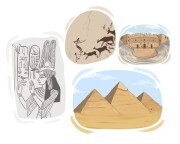
dating back to the ancient past
arhaic, antic
Limba arhaică folosită în manuscrisul antic era greu de înțeles pentru cititorii moderni.
including a wide range of people with different nationalities and cultures
cosmopolit
Atmosfera cosmopolită a orașului l-a făcut un creuzet al culturilor diverse.
expressing or displaying the sadness and sorrow felt due to loss, death, or a past event
elegiac, trist
Poezia avea un ton elegiac, plângând pierderea unui prieten iubit.
able to create many great intellectual or creative ideas, things, etc.
fecund, productiv
Imaginația fecundă a artistului a dus la o serie de lucrări revoluționare.
expressing oneself in a lofty or overly elaborate manner to impress others
grandilocvent, pompos
Ea a adoptat un ton grandilocvent pentru a suna mai autoritară decât era în realitate.
displaying simplicity, immaturity, or inexperience
simplist, lipsit de experiență
Abordarea lui simplistă a problemei complexe reflecta lipsa lui de experiență și de înțelegere.
extremely sorrowful and serious
lugubru, funebru
Coloana sonoră lugubră a filmului a stabilit un ton de tristețe profundă.
lacking elements that arouse interest, cause excitement, or show imagination
banal, obisnuit
Cursul a fost informativ, deși oarecum pedestrian în livrare.
not being interested, fond, or understanding of serious works of music, art, literature, etc.
filistin, incult
Remarcile lui filistine despre pictură au revelat lipsa lui de apreciere pentru artă.
possessing the quality of being very boring, slow, and serious, particularly used for speeches and writings
plictisitor, greoi
Prelegerea greoaie a profesorului a făcut dificil pentru studenți să rămână treji.
(mainly of ideas, opinions, or remarks) used so often that it no longer has the same effect or originality
banal, trivat
Discursul său a fost plin de fraze banale care nu au reușit să inspire audiența.
a literary device that uses a mixture of unpleasant, inharmonious, and harsh sounds to show disorder or chaos
cacofonie, discordanță
În poem, poetul a folosit cacofonia pentru a evoca emoțiile tumultuoase ale protagonistului în timp ce se lupta cu tulburările interioare.
a slow and constant increase in the loudness of a musical piece
crescendo, creștere progresivă
Simfonia a ajuns la un crescendo puternic care a lăsat publicul fără suflare.
being an artificial, fake, or inferior substitute for something genuine or authentic
artificial, fals
Restaurantul a servit cafea ersatz făcută din rădăcini de cicoare, lipsită de aroma bogată a boabelor adevărate.
a technique used in speech and writing to exaggerate the extent of something
hiperbolă, exagerare
Afirmația sa că a dormit un secol a fost o hiperbolă pentru a-și exprima epuizarea.
a song, musical piece, poem, etc. that expresses the feeling of sorrow and sadness after a loss or death
lament, elegie
Plângerea jalnică cântată la înmormântare a răsunat durerea participanților.
a drawing, speech, or text aiming to criticize something or someone in a humorous manner
o satiră, o parodie
Editorialul a folosit o lampoon inteligentă pentru a-și bate joc de recentul gaf al politicianului.
the humorous and incorrect use of a word that sounds similar to the intended word
malapropismul, folosirea greșită a cuvintelor
Utilizarea malapropismelor de către autor în roman a adăugat un element umoristic dialogului dintre personaje.
the constant lack of change and variety that is boring
monotonie, uniformitate
Spațiile de lucru interminabile bej din birou au adăugat la monotonia zilnică a muncii sale.
a manuscript that was written on, erased, and written on again and again, while the previous text was still partially visible
palimpsest, manuscris rescris
Ruloul antic era un palimpsest, cu straturi de text zgâriate și rescrise cu scriere nouă, dezvăluind licăriri ale conținutului său anterior.
an introductory or preliminary section of a book, statute, document, etc. giving information about its purpose
preambul, introducere
Ea a citit preambulul pentru a înțelege contextul documentului juridic.
the beginning section of a movie, book, play, etc. that introduces the work
prolog, introducere
Prologul romanului a pregătit scena pentru aventura epică care a urmat.
the act of repeating the key points or parts of something in order to summarize it
recapitulare, rezumat
Recapitularea profesorului a prelegerii a ajutat studenții să revizuiască conceptele principale.
a piece of writing or a speech that is long and boring
un scris lung și plictisitor, un discurs lung și plictisitor
Tiradele managerului despre politicile de birou i-au adormit pe toți în timpul ședinței.
to delete the sections or words that are believed to be offensive or inappropriate from a play, movie, book, etc.
expurga, cenzura
Editorul a decis să cenzureze romanul pentru a-l face potrivit pentru un public mai tânăr.
to bring ideas, texts, things, etc. together and create something new
contopi, combina
Scriitorul a decis să contopească elemente din diferite mituri pentru a crea un roman fantastic unic.
