pattern

Basic Sciences - Substances

Study terms for biological substances involved in nutrition, metabolism, hormonal regulation, immunity, and cellular communication.

Revizuire

Fișe de studiu

Ortografie

Chestionar
Începe să înveți
Words Related to Basic Sciences
cholesterol
cholesterol
[substantiv]

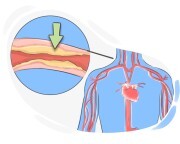
a substance high in fat and found in blood and most body tissues, a high amount of which correlates with an increased risk of heart disease

colesterol, nivelul de colesterol

colesterol, nivelul de colesterol

Ex: The doctor advised him to reduce his intake of saturated fats to lower his cholesterol levels. 
Închide
Conectare
protein
protein
[substantiv]

a substance found in food such as meat, eggs, seeds, etc. which is an essential part of the diet and keeps the body strong and healthy

proteină

proteină

Ex: Chicken and fish are excellent sources of protein. 
Închide
Conectare
amino acid
amino acid
[substantiv]

any organic compound that creates the basic structure of proteins

aminoacid, acid aminic

aminoacid, acid aminic

Închide
Conectare
lipid
lipid
[substantiv]

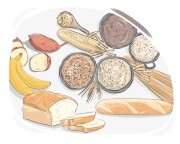
any of a class of organic substances that do not dissolve in water that include many natural oils, waxes, and steroids

lipid, grăsime
lipid, grăsime

Închide
Conectare
carbohydrate
carbohydrate
[substantiv]

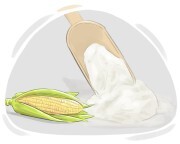
a substance that consists of hydrogen, oxygen, and carbon that provide heat and energy for the body, found in foods such as bread, pasta, fruits, etc.

carbohidrat, hidrat de carbon
carbohidrat, hidrat de carbon

Ex: She enjoys a balanced diet that includes whole grains rich in carbohydrates. 
Închide
Conectare
starch
starch
[substantiv]

a white carbohydrate food substance that exists in flour, potatoes, rice, etc.

amidon, carbohidrat

amidon, carbohidrat

Ex: Rice is a good source of starch and pairs well with stir-fried vegetables. 
Închide
Conectare
glucose
glucose
[substantiv]

a basic kind of sugar that is a component of carbohydrates and provides energy for many living organisms

glucoză

glucoză

Închide
Conectare
maltose
maltose
[substantiv]

a sugar formed by two glucose molecules linked together, commonly found in malted foods and used in brewing

maltoză, zahăr de malț
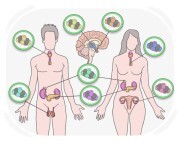
maltoză, zahăr de malț

Ex: The brewer uses maltose during the beer fermentation process. 
Închide
Conectare
hormone
hormone
[substantiv]

a chemical substance produced in the body of living things influencing growth and affecting the functionality of cells or tissues

hormon, substanță hormonală

hormon, substanță hormonală

Ex: Insulin, a hormone from the pancreas, controls blood sugar levels. 
Închide
Conectare
stress hormone
stress hormone
[substantiv]

(biology) a hormone released by the body in response to physical or emotional pressure, preparing it for a fight-or-flight reaction

Ex: Cortisol is the primary stress hormone released during a perceived threat. 
Închide
Conectare
hydrocortisone
hydrocortisone
[substantiv]

(biochemistry) a steroid hormone from the adrenal gland that helps regulate metabolism and reduces inflammation
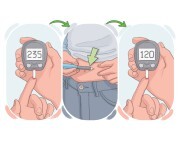
Ex: The doctor prescribed hydrocortisone cream to calm the itchy rash. 
Închide
Conectare
insulin
insulin
[substantiv]

a hormone that is responsible for controlling the level of glucose in the blood, the lack of which can cause diabetes

insulină

insulină

Închide
Conectare
norepinephrine
norepinephrine
[substantiv]

a hormone and neurotransmitter that regulates the body's stress response

noradrenalină, norepinefrină

noradrenalină, norepinefrină

Închide
Conectare
cortisol
cortisol
[substantiv]

a steroid hormone that the body produces and is used in medicine to help cure skin diseases

cortizol, un hormon steroid pe care organismul îl produce și este utilizat în medicină pentru a ajuta la vindecarea afecțiunilor pielii

cortizol, un hormon steroid pe care organismul îl produce și este utilizat în medicină pentru a ajuta la vindecarea afecțiunilor pielii

Ex: High levels of cortisol can increase stress and anxiety. 
Închide
Conectare
estrogen
estrogen
[substantiv]

a hormone primarily responsible for female reproductive development and regulation

estrogen, hormon feminin

estrogen, hormon feminin

Închide
Conectare
testosterone
testosterone
[substantiv]

a hormone related to gender that is produced by male body to develop typical male features

testosteron

testosteron

Închide
Conectare
antibody
antibody
[substantiv]

a blood protein produced to fight diseases or infections, or in response to foreign substances in the body

anticorp, imunoglobulină

anticorp, imunoglobulină

Ex: Antibodies stop harmful germs and tag them for immune cells to destroy. 
Închide
Conectare
antigen
antigen
[substantiv]

any foreign substance in the body that can trigger a response from the immune system

antigen, substanță antigenică

antigen, substanță antigenică

Ex: The vaccine introduces a harmless antigen to stimulate immunity. 
Închide
Conectare
enzyme
enzyme
[substantiv]

a substance that all living organisms produce that brings about a chemical reaction without being altered itself

enzimă

enzimă

Ex: Enzymes play a crucial role in digestion, breaking down food into smaller molecules that can be absorbed by the body. 
Închide
Conectare
histamine
histamine
[substantiv]

a compound released by cells in response to injury, allergy, or immune reactions, causing inflammation, itching, and other allergy symptoms

histamină

histamină

Ex: Antihistamines are commonly used to relieve symptoms of allergic reactions by blocking histamine receptors. 
Închide
Conectare
interferon
interferon
[substantiv]

(biochemistry) a protein made by virus-infected cells that helps block viral reproduction and boost immune defenses

Ex: Interferon is released when a cell detects a viral invasion. 
Închide
Conectare
neurotransmitter
neurotransmitter
[substantiv]

a chemical substance that transmits messages from a neuron to another one or to a muscle

neurotransmitator

neurotransmitator

Ex: Dopamine is a neurotransmitter involved in mood regulation. 
Închide
Conectare
pepsin
pepsin
[substantiv]

an enzyme produced in the stomach that helps in the digestion of proteins by breaking them down into smaller peptides

pepsină, enzimă digestivă de proteine
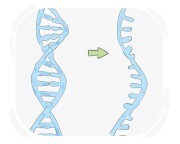
pepsină, enzimă digestivă de proteine

Ex: Pepsin is an enzyme produced in the stomach that helps break down proteins into smaller peptides. 
Închide
Conectare
RNA
RNA
[substantiv]

(biochemistry) a chemical substance that carries the information from DNA to control the cellular protein biosynthesis

ARN, acid ribonucleic

ARN, acid ribonucleic

Ex: RNA transcribes genetic information from DNA to guide protein production. 
Închide
Conectare
lymph
lymph
[substantiv]

a colorless liquid consisting of white blood cells that helps to prevent infections from spreading

limfă, lichid limfatic

limfă, lichid limfatic

Ex: Swelling can occur when lymph is not properly drained. 
Închide
Conectare
glycogen
glycogen
[substantiv]

a complex carbohydrate that serves as a storage form of energy in the liver and muscles, made up of glucose molecules linked together

glicogen, glicogeneză

glicogen, glicogeneză

Ex: Glycogen is a complex carbohydrate stored in the liver and muscles. 
Închide
Conectare
adenosine triphosphate

a molecule that carries energy within cells, composed of adenine, a ribose sugar, and three phosphate groups

adenozin trifosfat, trifosfat de adenozină

adenozin trifosfat, trifosfat de adenozină

Ex: Adenosine triphosphate is often referred to as the "energy currency" of cells due to its role in energy transfer. 
Închide
Conectare
adenosine diphosphate

(biochemistry) a molecule that turns into ATP when a phosphate group is added, storing energy for cells

Ex: Adenosine diphosphate is constantly recycled into ATP inside your muscles. 
Închide
Conectare
hemoglobin
hemoglobin
[substantiv]

a protein that carries oxygen in red blood cells

hemoglobină, globină

hemoglobină, globină

Ex: Iron-rich foods support hemoglobin levels. 
Închide
Conectare
adrenaline
adrenaline
[substantiv]

a body hormone produced in case of anger, fear, or excitement that makes the heart beat faster and the body react quicker

adrenalină

adrenalină

Ex: When faced with danger, the body releases adrenaline, triggering the fight-or-flight response. 
Închide
Conectare
LanGeek
Descarcă aplicația LanGeek