
Basic Sciences - Substances
Study terms for biological substances involved in nutrition, metabolism, hormonal regulation, immunity, and cellular communication.
Revize
Kartičky
Pravopis
Kvíz
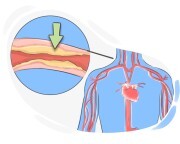
a substance high in fat and found in blood and most body tissues, a high amount of which correlates with an increased risk of heart disease

cholesterol, hladina cholesterolu

a substance found in food such as meat, eggs, seeds, etc. which is an essential part of the diet and keeps the body strong and healthy
bílkovina

any organic compound that creates the basic structure of proteins
aminokyselina, aminová kyselina
any of a class of organic substances that do not dissolve in water that include many natural oils, waxes, and steroids
lipid, tuk

a substance that consists of hydrogen, oxygen, and carbon that provide heat and energy for the body, found in foods such as bread, pasta, fruits, etc.
sacharid, uhlovodan
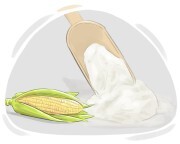
a white carbohydrate food substance that exists in flour, potatoes, rice, etc.
škrob, sacharid
a basic kind of sugar that is a component of carbohydrates and provides energy for many living organisms
glukóza
a sugar formed by two glucose molecules linked together, commonly found in malted foods and used in brewing
maltóza, sladový cukr
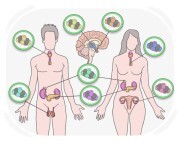
a chemical substance produced in the body of living things influencing growth and affecting the functionality of cells or tissues
hormon, hormonální látka
(biology) a hormone released by the body in response to physical or emotional pressure, preparing it for a fight-or-flight reaction
(biochemistry) a steroid hormone from the adrenal gland that helps regulate metabolism and reduces inflammation
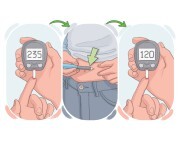
a hormone that is responsible for controlling the level of glucose in the blood, the lack of which can cause diabetes
inzulín
a hormone and neurotransmitter that regulates the body's stress response
noradrenalin, norepinefrin
a steroid hormone that the body produces and is used in medicine to help cure skin diseases
kortizol, steroidní hormon
a hormone primarily responsible for female reproductive development and regulation
estrogen, ženský hormon
a hormone related to gender that is produced by male body to develop typical male features
testosteron
a blood protein produced to fight diseases or infections, or in response to foreign substances in the body
protilátka, imunoglobulin
any foreign substance in the body that can trigger a response from the immune system
antigen, antigenní látka

a substance that all living organisms produce that brings about a chemical reaction without being altered itself
enzym
a compound released by cells in response to injury, allergy, or immune reactions, causing inflammation, itching, and other allergy symptoms
histamin
(biochemistry) a protein made by virus-infected cells that helps block viral reproduction and boost immune defenses
a chemical substance that transmits messages from a neuron to another one or to a muscle
neurotransmiter
an enzyme produced in the stomach that helps in the digestion of proteins by breaking them down into smaller peptides
pepsin, trávicí enzym bílkovin
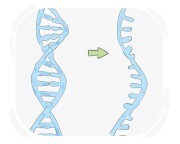
(biochemistry) a chemical substance that carries the information from DNA to control the cellular protein biosynthesis
RNA, ribonukleová kyselina
a colorless liquid consisting of white blood cells that helps to prevent infections from spreading
lymfa, lymfatická tekutina
a complex carbohydrate that serves as a storage form of energy in the liver and muscles, made up of glucose molecules linked together
glykogen, glykogeneze
a molecule that carries energy within cells, composed of adenine, a ribose sugar, and three phosphate groups
adenosintrifosfát, trifosfát adenosinu
(biochemistry) a molecule that turns into ATP when a phosphate group is added, storing energy for cells
a protein that carries oxygen in red blood cells
hemoglobin, globin

a body hormone produced in case of anger, fear, or excitement that makes the heart beat faster and the body react quicker
adrenalin
