
pattern

Basic Sciences - Chemical Elements

Study terms for chemical elements, the periodic table, and important elemental substances used in science and industry.

Revizuire

Fișe de studiu

Ortografie

Chestionar
Începe să înveți
Words Related to Basic Sciences
periodic table
periodic table
[substantiv]

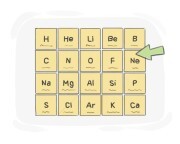
a tabular arrangement of chemical elements organized based on their atomic number, electron configuration, and recurring chemical properties

tabelul periodic, sistemul periodic al elementelor
tabelul periodic, sistemul periodic al elementelor

Ex: The periodic table, devised by Dmitri Mendeleev, categorizes elements into rows and columns based on their properties. 
Închide
Conectare
element
element
[substantiv]

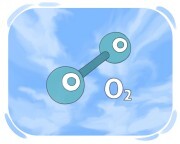
a substance that is composed of only one type of atom, typically characterized by specific physical and chemical properties

element, component
element, component

Ex: Oxygen is an essential element for human respiration. 
Închide
Conectare
nitrogen
nitrogen
[substantiv]

one the most common elements in Earth's atmosphere

azot

azot

Închide
Conectare
oxygen
oxygen
[substantiv]

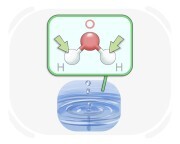
a chemical element in gas form with no color that living things need for breathing

oxigen, O₂
oxigen, O₂

Ex: Trees release oxygen into the atmosphere as a byproduct of photosynthesis. 
Închide
Conectare
hydrogen
hydrogen
[substantiv]

a clean and renewable fuel that can be used in fuel cells to generate electricity to power vehicles

hidrogen, combustibil hidrogen
hidrogen, combustibil hidrogen

Ex: Hydrogen fuel cells convert hydrogen into electricity to power electric vehicles. 
Închide
Conectare
carbon
carbon
[substantiv]

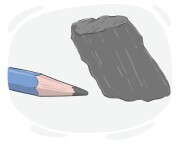
a nonmetal element that can be found in all organic compounds and living things

carbon, cărbune
carbon, cărbune

Ex: Graphite, used in pencils, is another allotrope of carbon. 
Închide
Conectare
iron
iron
[substantiv]

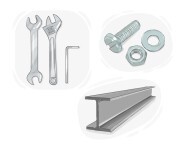
a metallic chemical element with a silvery-gray appearance, widely used for making tools, steel, buildings, and various industrial products

fier, metal

fier, metal

Ex: Iron is commonly used in construction to make buildings and bridges. 
Închide
Conectare
sodium
sodium
[substantiv]

a chemical element, vital for fluid balance and nerve impulses, commonly found in table salt and processed foods

sodiu, natriu
sodiu, natriu

Ex: Table salt, or sodium chloride, is a common source of sodium in the diet. 
Închide
Conectare
calcium
calcium
[substantiv]

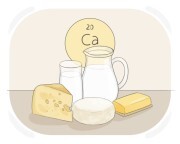
a soft silver-white metal that is an important element in bones and teeth

calciu

calciu

Închide
Conectare
potassium
potassium
[substantiv]

a chemical element that is crucial for fluid balance, nerve signals, and muscle contractions, commonly found in bananas, potatoes, and leafy greens

potasiu
potasiu

Ex: Bananas are a great source of potassium. 
Închide
Conectare
aluminum
aluminum
[substantiv]

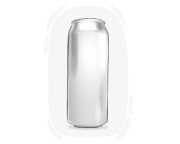
a light silver-gray metal used primarily for making cooking equipment and aircraft parts

aluminiu, aluminiu

aluminiu, aluminiu

Ex: The new set of aluminum cookware is both lightweight and highly resistant to corrosion, making it perfect for the kitchen. 
Închide
Conectare
magnesium
magnesium
[substantiv]

a chemical element that is a shiny gray solid, crucial for muscle and nerve function, found in green leafy vegetables and nuts

magneziu
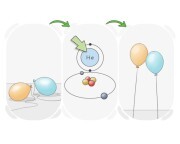
magneziu

Ex: Dark green leafy vegetables, nuts, and whole grains are rich sources of dietary magnesium. 
Închide
Conectare
helium
helium
[substantiv]

a chemical element that is a colorless noble gas which is lighter than air

heliu

heliu

Închide
Conectare
lithium
lithium
[substantiv]

a soft, silver-white metal element, characterized by its light weight and high reactivity, commonly used in rechargeable batteries

litiu

litiu

Ex: The chemist studied the properties of lithium in various chemical reactions. 
Închide
Conectare
neon
neon
[substantiv]

(chemistry) a colorless, odorless, inert gas that glows red-orange when electrified and is found in tiny amounts in the air

Ex: Neon is used in glowing signs that light up city streets at night. 
Închide
Conectare
ozone
ozone
[substantiv]

a type of gas present in the sky that protects the life on earth from the harmful rays of the sun

ozon, stratul de ozon

ozon, stratul de ozon

Ex: The ozone layer over Antarctica has been thinning due to pollution. 
Închide
Conectare
silicon
silicon
[substantiv]

a tetravalent nonmetallic element; next to oxygen it is the most abundant element in the earth's crust; occurs in clay and feldspar and granite and quartz and sand; used as a semiconductor in transistors

siliciu, Si

siliciu, Si

Închide
Conectare
arsenic
arsenic
[substantiv]

a poisonous chemical element with properties of both metals and nonmetals that is grey in color, used in industry or as a pesticide

arsenic, element chimic toxic

arsenic, element chimic toxic

Închide
Conectare
chlorine
chlorine
[substantiv]

a chemical element that is a bluish-white gas, used for disinfecting water, maintaining pool hygiene, and as an active sanitizing agent in household cleaners

clor, gaz clor

clor, gaz clor

Ex: Chlorine is commonly used to disinfect drinking water. 
Închide
Conectare
copper
copper
[substantiv]

a metallic chemical element that has a red-brown color, primarily used as a conductor in wiring

cupru, metal roșu

cupru, metal roșu

Ex: Copper is valued for its high electrical conductivity, which makes it ideal for wiring in electrical systems. 
Închide
Conectare
fluorine
fluorine
[substantiv]

a nonmetallic univalent element belonging to the halogens; usually a yellow irritating toxic flammable gas; a powerful oxidizing agent; recovered from fluorite or cryolite or fluorapatite

fluor, fluorină
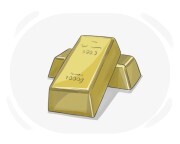
fluor, fluorină

Închide
Conectare
gold
gold
[substantiv]

a valuable yellow-colored metal that is used for making jewelry

aur

aur

Ex: She wore a necklace adorned with a pendant made of gold. 
Închide
Conectare
iodine
iodine
[substantiv]

a purple-black chemical element essential for thyroid hormone synthesis, crucial for metabolism and overall growth that can be found in the seawater

iod, elementul iod
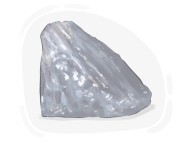
iod, elementul iod

Ex: Table salt often contains iodine as a dietary supplement. 
Închide
Conectare
lead
lead
[substantiv]

a heavy soft metal, used in making bullets, in plumbing and roofing, especially in the past

plumb, metal greu

plumb, metal greu

Ex: Historically, lead was commonly used in plumbing systems due to its malleability and corrosion resistance. 
Închide
Conectare
cobalt
cobalt
[substantiv]

a chemical element with a shiny, silvery-blue appearance, often used in the production of batteries and other metals and

cobalt, un element chimic cu aspect strălucitor

cobalt, un element chimic cu aspect strălucitor

Ex: Artists employ cobalt pigments for vivid blue and green tones in paints. 
Închide
Conectare
radium
radium
[substantiv]

(chemistry) a rare, silvery-white, radioactive metallic element in Group 2 of the periodic table that does not occur freely in nature
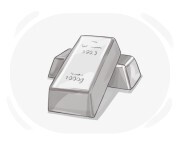
Ex: Radium was once used in luminous paints for watch dials and clocks. 
Închide
Conectare
silver
silver
[substantiv]

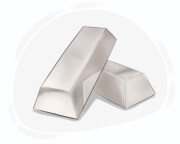
a shiny grayish-white metal of high value that heat and electricity can move through it and is used in jewelry making, electronics, etc.

argint, metal argintiu

argint, metal argintiu

Ex: She wore a necklace adorned with a pendant made of silver. 
Închide
Conectare
sulfur
sulfur
[substantiv]

an abundant tasteless odorless multivalent nonmetallic element; best known in yellow crystals; occurs in many sulphide and sulphate minerals and even in native form (especially in volcanic regions)

sulf, sulf

sulf, sulf

Închide
Conectare
nickel
nickel
[substantiv]

a hard, silvery, malleable, and corrosion-resistant metallic element used in alloys and plating

nichel, nichelul
nichel, nichelul

Ex: The coin is made primarily of nickel and copper. 
Închide
Conectare
platinum
platinum
[substantiv]

a valuable silver-gray heavy metal that is highly unreactive and ductile, used in jewelry making, medicine and a range of other industries

platină, platin

platină, platin

Ex: The scientist studied the properties of platinum in chemical reactions. 
Închide
Conectare
titanium
titanium
[substantiv]

(chemistry) a strong, lightweight, silver-gray metal that resists corrosion and is used in aircraft and medical implants

Ex: Titanium is often mixed with other metals to make strong, lightweight alloys for airplanes. 
Închide
Conectare
uranium
uranium
[substantiv]

a heavy radioactive metallic element used in producing nuclear energy

uraniu

uraniu

Închide
Conectare
zinc
zinc
[substantiv]

a bluish-white metal essential for immune function and wound healing, also widely used in covering steel and preventing it from rusting and corroding

zinc, metalul zinc

zinc, metalul zinc

Ex: Efficient wound healing is linked to the presence of zinc in the body. 
Închide
Conectare
chromium
chromium
[substantiv]

a chemical element that is a shiny metal used for protective coatings on surfaces like kitchen appliances and car parts

crom, chromium

crom, chromium

Ex: Car parts are coated with chromium to resist rust and stay looking new. 
Închide
Conectare
mercury
mercury
[substantiv]

a dense, silvery, toxic metal that is liquid at room temperature and can form different chemical compounds

mercur, argint viu

mercur, argint viu

Ex: Mercury is used in some thermometers and barometers. 
Închide
Conectare
plutonium
plutonium
[substantiv]

(chemistry) a silvery-gray, radioactive metal that is made in nuclear reactors and can be split to release energy

Ex: Plutonium is produced in nuclear reactors from uranium during fission reactions. 
Închide
Conectare
LanGeek
Descarcă aplicația LanGeek
