Cartea Insight - Pre-intermediar - Unitatea 6 - 6A - Partea 1
Aici veți găsi vocabularul din Unitatea 6 - 6A - Partea 1 din manualul Insight Pre-Intermediate, cum ar fi "arestare", "infractor", "rațional" etc.
Revizuire
Fișe de studiu
forme
Ortografie
Chestionar

![to [get] into trouble](/assets/img/no-pic-700w.png "to [get] into trouble")
to become involved in a problematic or difficult situation, often as a result of one's actions or decisions
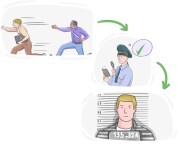
(of law enforcement agencies) to take a person away because they believe that they have done something illegal

aresta
Polițistul a decis să aresteze suspectul după ce a adunat suficiente dovezi.
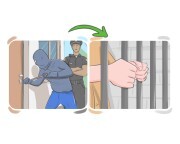
to cause someone suffering for breaking the law or having done something they should not have
pedepsi, a pedepsi
Părinții pot alege să-și pedepsească copiii prin restricționarea privilegiilor atunci când regulile sunt încălcate.
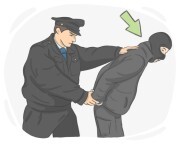
a person who commits a crime
infractor, criminal
Poliția a prins infractorul și l-a luat în custodie.
to experience the consequences or punishment for what one has done or believes
plăti, suporta consecințele
Știa că va plăti pentru conducerea sa imprudentă când a primit o amendă mare pentru viteză.
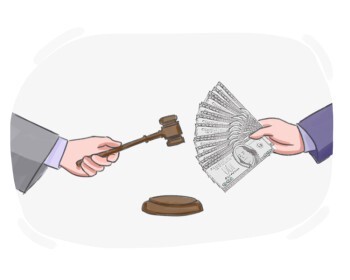
an amount of money that must be paid as a legal punishment
amendă, sancțiune
Tribunalul a impus o amendă companiei pentru încălcări de mediu.
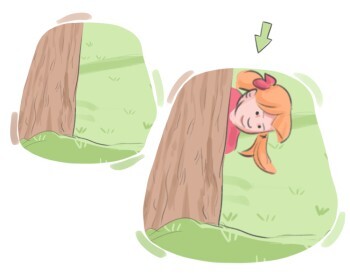
to become visible and noticeable
apărea, se arăta
Cu soarele răsărind deasupra orizontului, conturul munților a apărut în depărtare.
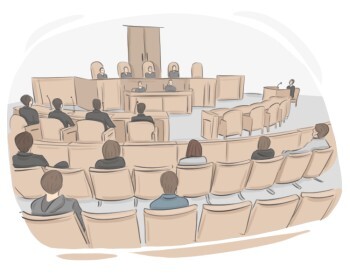
the place in which legal proceedings are conducted
tribunal, curte
În tribunalul de familie, judecătorii se ocupă de aspecte precum divorțul, custodia copilului și disputele privind violența domestică.
to be dedicated to a person, cause, policy, etc.
se angaja, se dedica
Ea a decis să se dedice educației copiilor defavorizați, petrecând ore ca voluntară într-o școală locală.
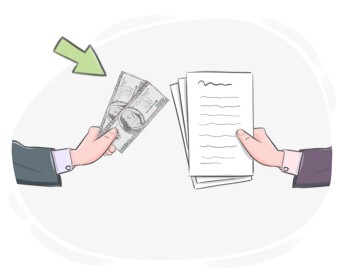
to ask a person to pay a certain amount of money in return for a product or service
taxa, factura
Hotelul poate taxa pentru servicii suplimentare în afara tarifului camerei.
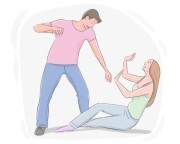
an act of crime in which someone physically attacks another person
agresiune, atac
Poliția a arestat suspectul pentru agresiune după ce a atacat un trecător pe stradă.
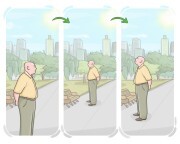
to pass time in a particular manner or in a certain place
petrece, cheltui
Ei și-au petrecut după-amiaza drumețind în munți.
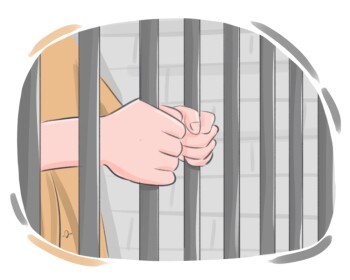
a building where people who did something illegal, such as stealing, murder, etc., are kept as a punishment
închisoare, penitenciar
A fost condamnat la zece ani de închisoare pentru implicarea sa în jaf.

emotionally feeling good or glad
fericit,bucuros, feeling good or glad
Era fericit când a primit slujba pe care o dorea.
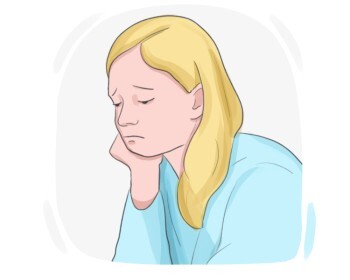
experiencing a lack of joy or positive emotions
nefericit, trist
Ea părea nefericită după apelul telefonic.
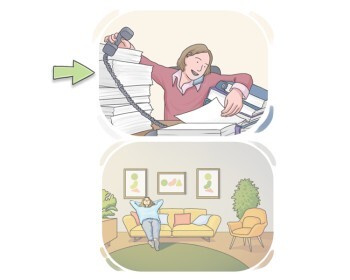
(of a person) having an obligation to do something or to take care of someone or something as part of one's job or role
responsabil
Ca lider de echipă, el este responsabil pentru atribuirea sarcinilor și asigurarea respectării termenelor limită.
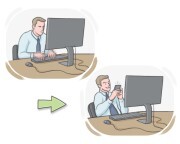
neglecting one's duties or obligations, often causing harm or inconvenience to others
iresponsabil, neglijent
A fost concediat de la serviciu pentru că a întârziat în mod constant și a fost iresponsabil cu sarcinile sale.
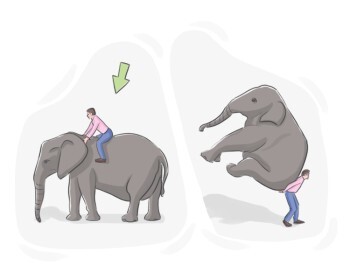
having the possibility of being imagined
gândibil, imaginabil
În timpul crizelor, fiecare soluție posibilă, indiferent cât de improbabilă, devine de gândit.
beyond what is acceptable or reasonable to imagine
de neconceput, de neimaginat
Pierderea campionatului a fost de neconceput pentru echipă.

related to the law or the legal system
legal, juridic
Organizațiile de ajutor juridic oferă asistență juridică gratuită persoanelor cu venituri mici.
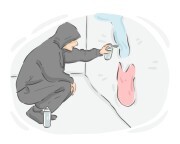
forbidden by the law
ilegal, interzis de lege
Vânzarea de droguri pe stradă este ilegală și pedepsită de lege.
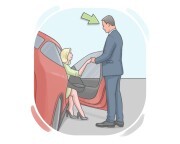
showing good manners and respectful behavior towards others
politicos, cuviincios
El este un tânăr politicos care își ajută mereu vecinii.
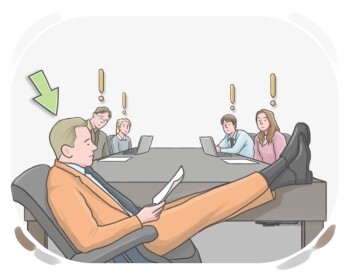
having bad manners or behavior
nepoliticos, neducat
A fost nepoliticos și nu i-a mulțumit chelnerului pentru serviciul său.
able to exist, happen, or be done
posibil, fezabil
Chiar și atunci când pare improbabil, a-ți face prieteni noi într-un oraș nou este posibil.

not able to occur, exist, or be done
imposibil, irealizabil
În ciuda tuturor eforturilor sale, a considerat imposibil să-și uite trecutul.
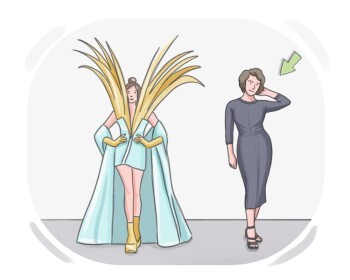
conforming to what is generally anticipated or considered typical
obișnuit, uzual
Orele obișnuite de funcționare sunt de la 9 AM la 5 PM.

not commonly happening or done
neobișnuit, rar
Bucătarul folosește ingrediente neobișnuite în rețetele sale.
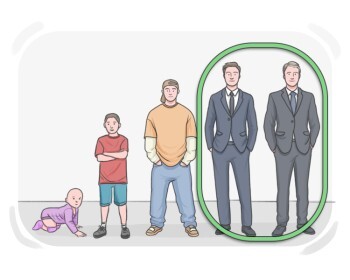
fully-grown and physically developed
matura, adult
În ciuda vârstei fragede, avea o înfățișare matură, cu trăsături care contraziceau anii ei.

not fully developed mentally or emotionally, often resulting in behaviors or reactions that are childish
imatur, subdezvoltat
Comportamentul său imatur ducea adesea la conflicte cu colegii săi.
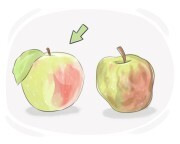
completely without mistakes or flaws, reaching the best possible standard
perfect, impecabil
El este candidatul perfect pentru job cu toată experiența sa.
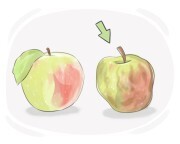
having faults, flaws, or shortcomings
imperfect, defect
Vechea scaun era confortabilă dar imperfectă, cu un picior instabil.
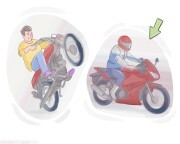
(of a person) avoiding emotions and taking logic into account when making decisions
rațional, logic
A rămas rațională în timpul crizei, evaluând cu calm cel mai bun curs de acțiune.

not based on reason or logic
irațional, ilogic
Frica ei de a zbura era irațională deoarece statisticile arată că este unul dintre cele mai sigure mijloace de transport.