pattern

Kniha Insight - Předstředně pokročilý - Jednotka 6 - 6A - Část 1

Zde najdete slovní zásobu z Jednotky 6 - 6A - Části 1 v učebnici Insight Pre-Intermediate, jako je "zatčení", "pachatel", "racionální" atd.

Revize

Kartičky

tvary

Pravopis

Kvíz

Začněte se učit
Insight - Pre-Intermediate
to [get] into trouble

to become involved in a problematic or difficult situation, often as a result of one's actions or decisions
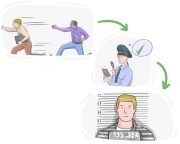
Ex: Getting involved with the wrong crowd can lead teenagers to get into trouble. 
to arrest
to arrest
[sloveso]

(of law enforcement agencies) to take a person away because they believe that they have done something illegal

zatknout
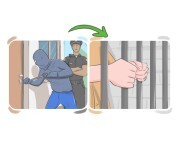
zatknout

Ex: The police officer decided to arrest the suspect after gathering sufficient evidence. 
to punish
to punish
[sloveso]

to make someone suffer a penalty or unpleasant consequence for wrongdoing

potrestat, trestat

potrestat, trestat

Ex: The school is punishing students who deliberately damage its property. 
offender
offender
[Podstatné jméno]

a person who commits a crime or other illegal act

Ex: The court ordered the offender to pay compensation. 
to pay
to pay
[sloveso]

to experience the consequences or punishment for what one has done or believes

platit, pykat
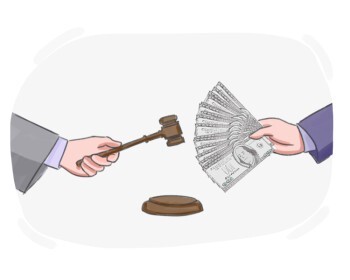
platit, pykat

Ex: He knew he would pay for his reckless driving when he got a hefty speeding ticket. 
fine
fine
[Podstatné jméno]

an amount of money that must be paid as a legal punishment

pokuta, sankce
pokuta, sankce

Ex: She received a fine for littering in the park. 
to appear
to appear
[sloveso]

to become visible and noticeable

objevit se, ukázat se
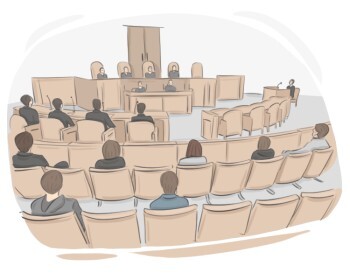
objevit se, ukázat se

Ex: With the sun rising over the horizon, the outline of the mountains appeared in the distance. 
court
court
[Podstatné jméno]

the place in which legal proceedings are conducted

soud, soudní dvůr

soud, soudní dvůr

Ex: In family court, judges handle matters such as divorce, child custody, and domestic violence disputes. 
to commit
to commit
[sloveso]

to be dedicated to a person, cause, policy, etc.

zavázat se, věnovat se

zavázat se, věnovat se

Ex: She decided to commit herself to the education of underprivileged children, spending hours volunteering at a local school. 
to charge
to charge
[sloveso]

to ask a person to pay a certain amount of money in return for a product or service

účtovat, nabíjet

účtovat, nabíjet

Ex: The hotel may charge for additional services beyond the room rate. 
assault
assault
[Podstatné jméno]

an act of crime in which someone physically attacks another person

útok, napadení
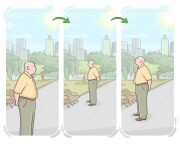
útok, napadení

Ex: The police arrested the suspect for assault after he attacked a passerby on the street. 
to spend
to spend
[sloveso]

to pass time in a particular manner or in a certain place

trávit, utrácet
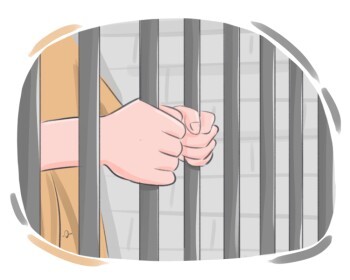
trávit, utrácet

Ex: She spends her evenings reading books. 
prison
prison
[Podstatné jméno]

a building where people who did something illegal, such as stealing, murder, etc., are kept as a punishment

vězení, nápravné zařízení

vězení, nápravné zařízení

Ex: He was sentenced to ten years in prison for his involvement in the robbery. 
happy
happy
[Přídavné jméno]

emotionally feeling good or glad

šťastný,spokojený, feeling good or glad
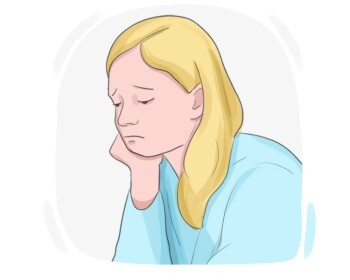
šťastný,spokojený, feeling good or glad

Ex: He was happy when he got the job he had been hoping for. 
unhappy
unhappy
[Přídavné jméno]

sad or not satisfied with one's situation

nešťastný
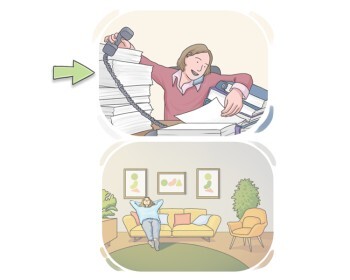
nešťastný

Ex: She had an unhappy childhood but spoke warmly about her grandparents. 
responsible
responsible
[Přídavné jméno]

(of a person) having an obligation to do something or to take care of someone or something as part of one's job or role

odpovědný

odpovědný

Ex: Drivers should be responsible for following traffic laws and ensuring road safety. 

Řidiči by měli být odpovědní za dodržování dopravních předpisů a zajištění bezpečnosti silničního provozu.
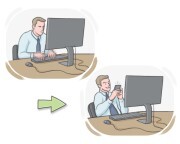
irresponsible
irresponsible
[Přídavné jméno]

neglecting one's duties or obligations, often causing harm or inconvenience to others

nezodpovědný, nedbalý

nezodpovědný, nedbalý

Ex: The irresponsible use of natural resources led to environmental degradation in the area. 

Nezodpovědné využívání přírodních zdrojů vedlo k degradaci životního prostředí v oblasti.

thinkable
thinkable
[Přídavné jméno]

having the possibility of being imagined

myslitelný, představitelný

myslitelný, představitelný

Ex: The possibility of a global pandemic was always thinkable, but few took it seriously until it became a reality. 

Možnost globální pandemie byla vždy představitelná, ale málokdo to bral vážně, dokud se nestala skutečností.

unthinkable
unthinkable
[Přídavné jméno]

beyond what is acceptable or reasonable to imagine

nemyslitelný, nepředstavitelný

nemyslitelný, nepředstavitelný

Ex: The accident caused unthinkable damage to the city. 

Nehoda způsobila městu nepředstavitelné škody.

legal
legal
[Přídavné jméno]

related to the law or the legal system

právní, legální

právní, legální

Ex: The company's legal team reviewed the contract before signing. 

Právní tým společnosti zkontroloval smlouvu před podepsáním.
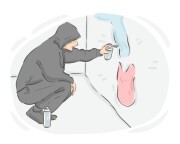
illegal
illegal
[Přídavné jméno]

forbidden by or against the law

nelegální
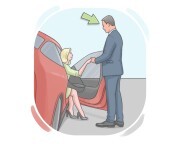
nelegální

Ex: They were accused of carrying out illegal activities. 
polite
polite
[Přídavné jméno]

showing good manners and respectful behavior towards others

zdvořilý, slušný
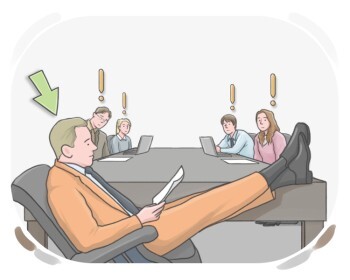
zdvořilý, slušný

Ex: The students were polite and listened attentively to their teacher. 
impolite
impolite
[Přídavné jméno]

having bad manners or behavior

nezdvořilý, neslušný

nezdvořilý, neslušný

Ex: The teenager was impolite and did not listen to his parents. 

Dospívající byl nezdvořilý a neposlouchal své rodiče.

possible
possible
[Přídavné jméno]

able to exist, happen, or be done

možný, uskutečnitelný

možný, uskutečnitelný

Ex: To achieve the best possible result, we need to work together. 

Abychom dosáhli nejlepšího možného výsledku, musíme spolupracovat.

impossible
impossible
[Přídavné jméno]

not able to occur, exist, or be done

nemožný, nerealizovatelný

nemožný, nerealizovatelný

Ex: Despite all his efforts, he found it impossible to forget his past. 
usual
usual
[Přídavné jméno]

conforming to what is generally anticipated or considered typical

obvyklý, běžný

obvyklý, běžný

Ex: The usual procedure involves filling out the form first. 

Obvyklý postup zahrnuje nejprve vyplnění formuláře.

unusual
unusual
[Přídavné jméno]

not commonly happening or done

neobvyklý, málo obvyklý

neobvyklý, málo obvyklý

Ex: His quiet behavior at the party was unusual. 

Jeho klidné chování na večírku bylo neobvyklé.

mature
mature
[Přídavné jméno]

having reached full physical growth or natural development

zralý,  dospělý

zralý, dospělý

Ex: Mature eagles have different plumage from younger birds. 
immature
immature
[Přídavné jméno]

not fully developed mentally or emotionally, often resulting in behaviors or reactions that are childish

nezralý, nevyvinutý

nezralý, nevyvinutý

Ex: He realized his reaction was immature and apologized for his outburst. 

Uvědomil si, že jeho reakce byla nezralá, a omluvil se za svůj výbuch.
perfect
perfect
[Přídavné jméno]

completely without mistakes or flaws, reaching the best possible standard

dokonalý, bezchybný
dokonalý, bezchybný

Ex: He's the perfect candidate for the job with all his experience. 
imperfect
imperfect
[Přídavné jméno]

having faults, flaws, or shortcomings

nedokonalý, vadný

nedokonalý, vadný

Ex: The painting was captivating but imperfect, with brushstrokes that were slightly uneven. 

Obraz byl okouzlující, ale nedokonalý, s tahy štětce, které byly mírně nerovnoměrné.
rational
rational
[Přídavné jméno]

(of a person) guided by reason and clear judgment rather than emotion

Ex: A rational person would consider the risks before acting. 
irrational
irrational
[Přídavné jméno]

not based on reason or logic

iracionální,  nelogický

iracionální, nelogický

Ex: She had an irrational dislike for certain foods without any real reason. 

Měla iracionální odpor k určitým potravinám bez jakéhokoli skutečného důvodu.
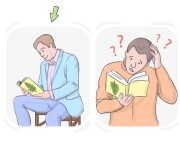
literate
literate
[Přídavné jméno]

having the skills to read and write

gramotný, vzdělaný

gramotný, vzdělaný

Ex: The ability to become literate is a fundamental human right and essential for participation in society. 

Schopnost stát se gramotným je základním lidským právem a nezbytná pro účast ve společnosti.

LanGeek
Stáhnout aplikaci LanGeek
